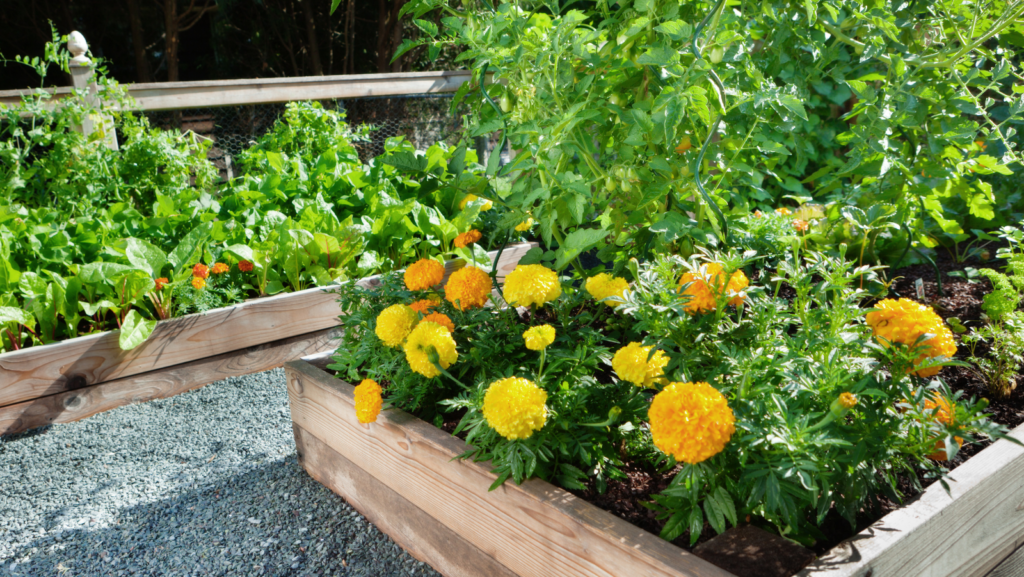
Outdoor gardening in Minnesota can feel unpredictable at first. Long winters, late frosts, and short growing seasons create challenges that many homeowners do not expect. However, once you understand how the climate works, gardening becomes much more manageable and far more rewarding.
Instead of trying to copy what works in warmer states, successful Minnesota gardens are built around timing, plant selection, and simple systems that hold up through changing conditions. Whether you are planting flowers, growing vegetables, or simply improving your outdoor space, understanding these basics will help you avoid frustration and build something that lasts.
Understanding Minnesota’s Growing Season
One of the most important factors in outdoor gardening in Minnesota is timing. The growing season is shorter than in many other parts of the country, and that affects every decision you make.
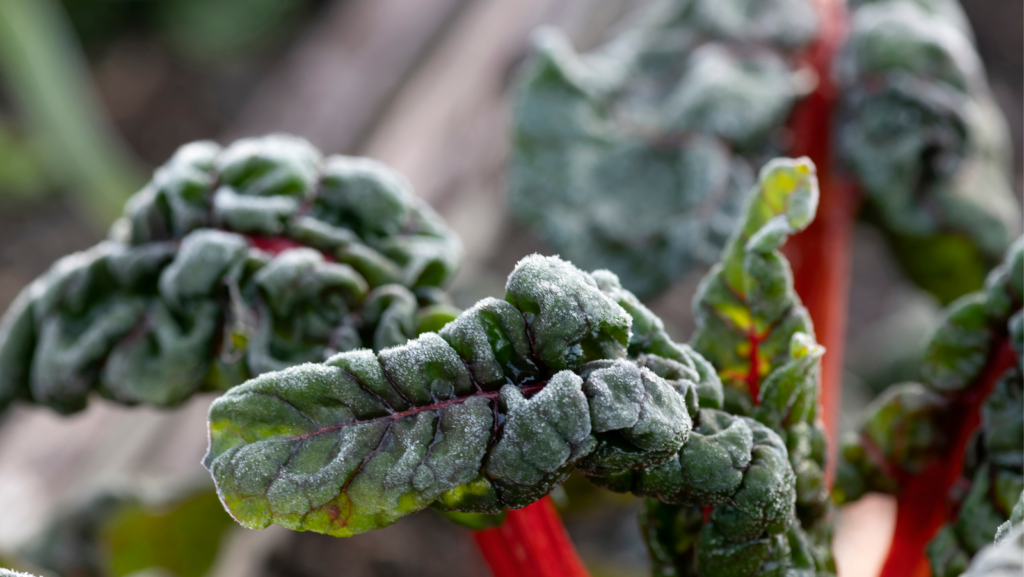
In most areas, the last frost falls between late April and early June, while the first frost can arrive as early as September. Because of this, planting too early can damage young plants, while planting too late can limit what you are able to harvest.
For this reason, many gardeners focus on waiting until after the last frost before planting outdoors. At the same time, choosing plants with shorter maturity times helps ensure success within a limited window. In some cases, starting plants indoors can give you a valuable head start.
You can use a reliable tool like the Old Farmer’s Almanac Frost Date Calculator to find your specific last and first frost dates by zip code. This gives you a much clearer planting window and helps prevent the common mistake of putting plants out too early.
If you are preparing your yard for the season, this timing also connects closely with early outdoor prep. Many of the same steps used for planting overlap with basic home care tasks, which is why it helps to work through a seasonal checklist like your Spring Home Maintenance Checklist for Minnesota Homeowners before planting begins.
Choosing Plants That Actually Thrive in Minnesota
Not every plant is suited for Minnesota’s climate. Temperature swings, humidity, and cooler nights can stress plants that are not adapted to these conditions.
Instead of experimenting with high-maintenance varieties, it is often more effective to choose plants that are known to perform well locally.
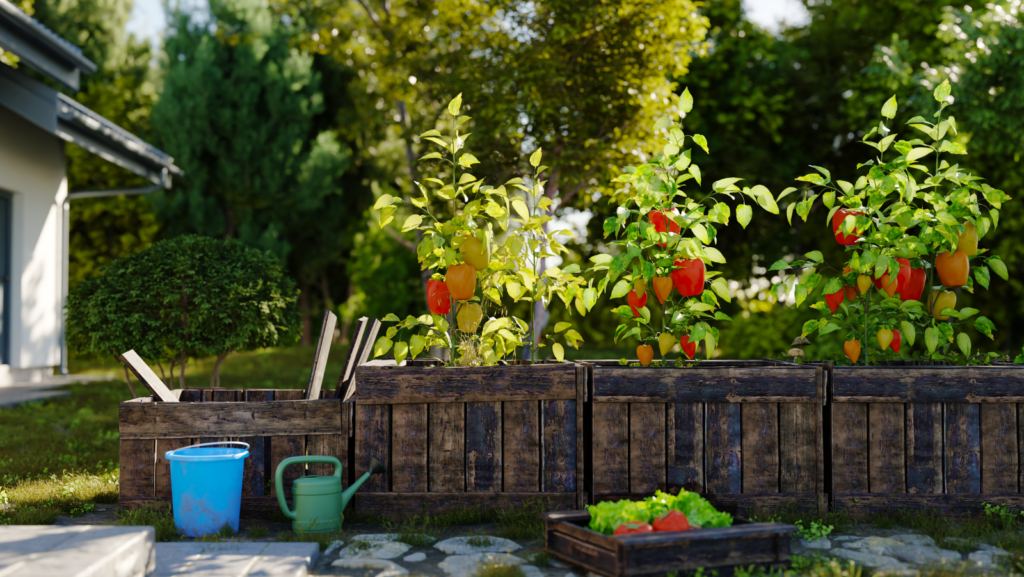
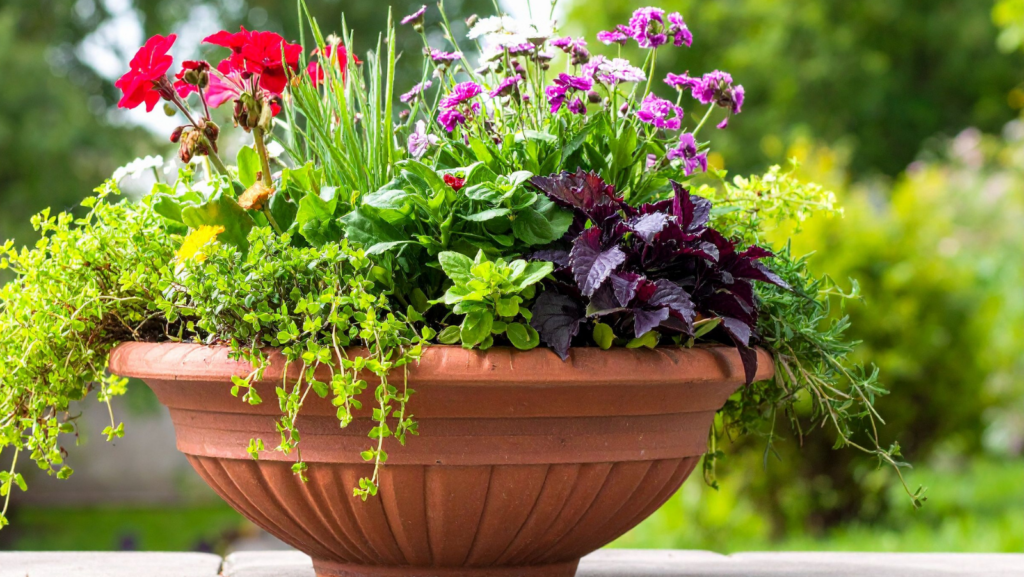
Reliable options include perennials such as hostas, coneflowers, and daylilies, along with vegetables like tomatoes, peppers, beans, and zucchini. Herbs including chives, thyme, mint, and basil also tend to do well.
In addition, native plants are often easier to maintain because they are already adapted to the environment. Over time, this leads to healthier gardens that require less effort to sustain.
Building Soil That Supports Long-Term Growth
Healthy soil is one of the most overlooked parts of outdoor gardening. In Minnesota, soil conditions can vary widely, from dense clay to sandy patches that drain too quickly.
Instead of trying to completely replace your soil, it is usually more effective to improve it gradually.
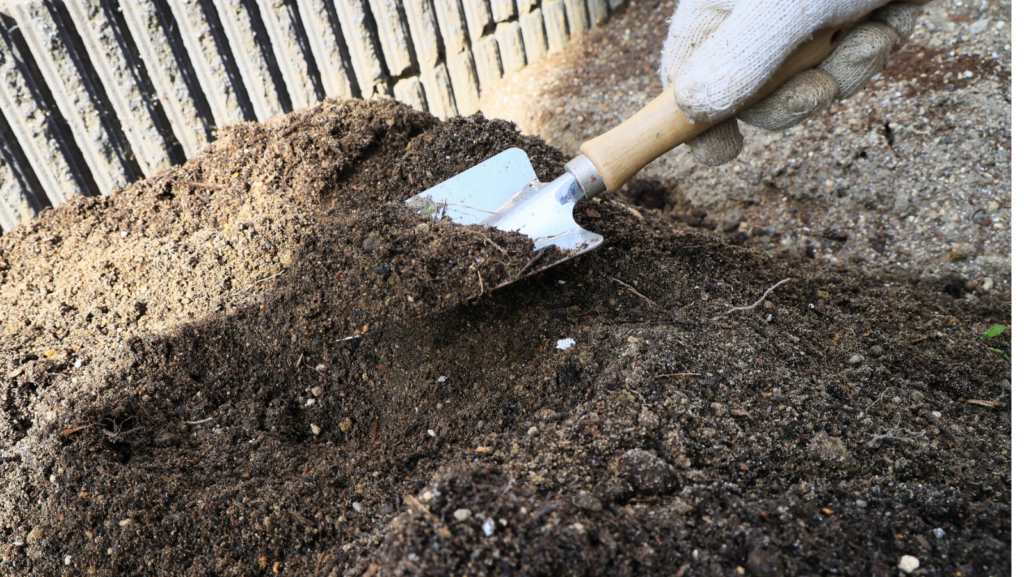
Adding compost each season helps build structure and nutrients. Mulch plays an important role in regulating both moisture and temperature. At the same time, avoiding excessive tilling protects the natural structure of the soil and supports long-term health.
As your soil improves, your garden becomes easier to manage. Plants establish more quickly, watering becomes more effective, and overall results improve from year to year.
Managing Water and Drainage Through Changing Weather
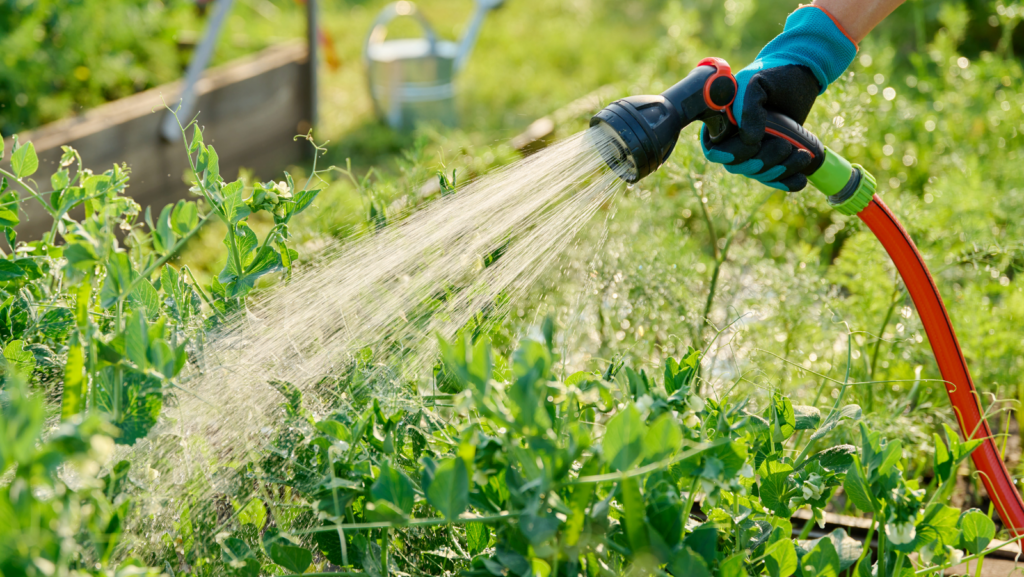
Minnesota weather often shifts between heavy rain and dry conditions, sometimes within the same week. Because of this, consistent watering practices are essential.
Rather than watering lightly every day, it is more effective to water deeply a few times each week. This encourages stronger root systems and helps plants handle stress more effectively.
At the same time, proper drainage is just as important. Containers and garden beds should allow excess water to escape, since overly wet soil can damage roots and slow plant growth.
Mulch continues to play a key role here as well. It helps retain moisture during dry periods while protecting soil during heavy rain.
Designing a Garden That Fits Your Lifestyle
A successful garden should work with your daily life, not add unnecessary pressure. Many homeowners start too large and quickly become overwhelmed, especially during peak growing season.
Instead, it is often better to begin with a few well-maintained garden beds or containers and expand gradually over time. Choosing lower-maintenance plants can also make a significant difference, particularly if you have a busy schedule.
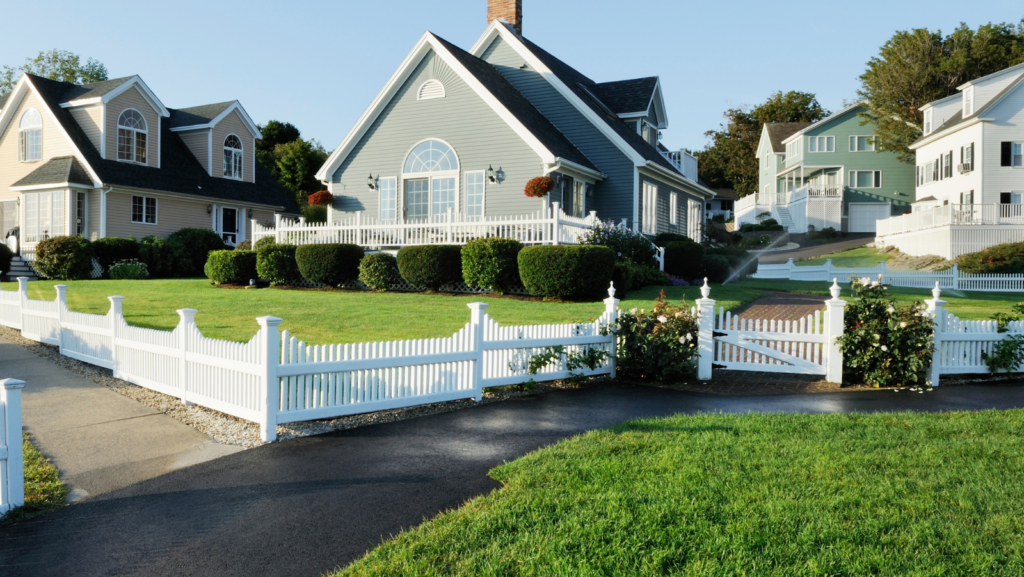
At the same time, think about how your garden fits into the overall feel of your property. Clean edges, defined spaces, and intentional layouts not only make maintenance easier, but they also improve how your home is perceived.
This is where gardening naturally overlaps with curb appeal. Even simple updates can make a noticeable difference, which is why many homeowners pull ideas from Easy Spring Curb Appeal Ideas for Minnesota Homes to create a space that feels both functional and visually complete.
Gardening Isn’t Always Just a Personal Choice
While many homeowners think of gardening as a personal decision, that is not always the case. In many Minnesota neighborhoods, especially in the Northeast Metro, homeowners associations can influence what is allowed outdoors.
Some communities have restrictions on vegetable gardens, raised beds, plant placement, or overall appearance. Because of this, it is important to understand any guidelines before starting a new garden.
If you live in an HOA community or are considering buying in one, this can directly affect how you design your space.
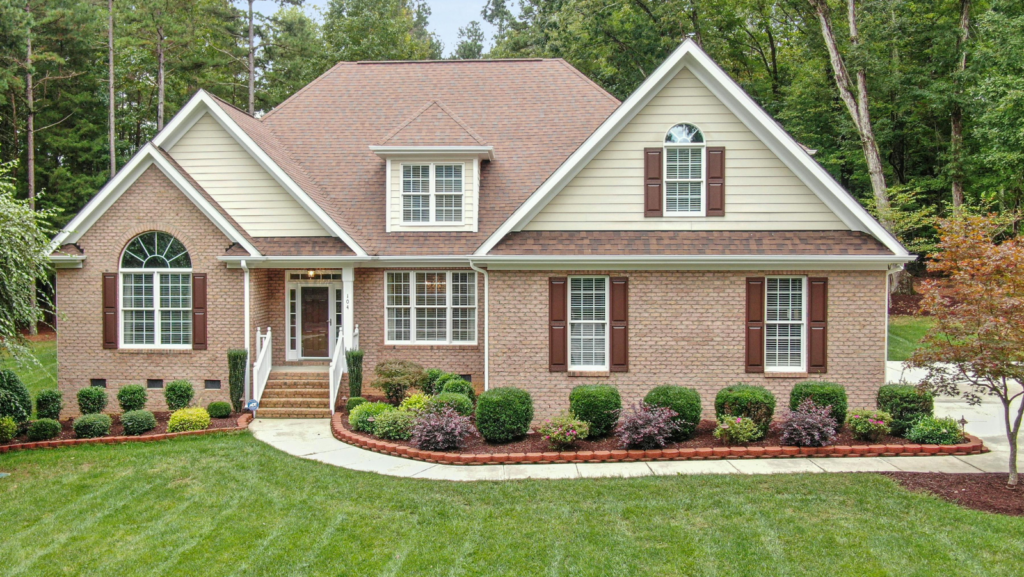
Outdoor spaces play a larger role in how a home feels than many people expect. Even a simple, well-maintained garden can make a property feel more inviting and cared for.
Buyers often notice defined garden beds, fresh mulch, clean edges, and healthy plants. More importantly, they notice when an outdoor space feels usable and intentional rather than unfinished or neglected.
Because of this, thoughtful gardening supports both everyday enjoyment and long-term home value. Small improvements made over time can have a lasting impact.
Conclusion
Outdoor gardening in Minnesota is not about creating a perfect space. Instead, it is about understanding the rhythm of the seasons and building something that works year after year.
When you focus on timing, choose the right plants, improve your soil, and keep your setup manageable, gardening becomes far more enjoyable and far less stressful.
Over time, your outdoor space can grow into something that not only looks beautiful but also feels like a natural extension of your home.
I’m Betsy Rewald with Coldwell Banker Realty in Minnesota, born and raised right here in the Land of 10,000 Lakes! I love helping people find their perfect home, whether it’s their first, their dream upgrade, or the perfect place to downsize.
Through my blog, I share tips and ideas for buying and selling, plus insights on great neighborhoods, local events, and ways to make the most of Minnesota living. My goal is to make the home journey fun, stress-free, and full of excitement.
Whether you’re new to the area or a lifelong Minnesotan, I’m here to help you feel right at home—and maybe even fall in love with your next move!
Blog Categories
Home Search Tools
Recent Posts
We use cookies to ensure that we give you the best experience on our website. If you continue to use this site we will assume that you are ok with this.