Gardening is often seen as a simple way to enjoy your home, add beauty to your yard, and even grow your own food. However, for many homeowners in Minnesota, it is not always that straightforward.
In neighborhoods with homeowners associations, gardening can come with rules, restrictions, and limitations that are easy to overlook until it is too late. While these guidelines are meant to maintain a consistent appearance across the community, they can also affect what you are allowed to plant and how you design your outdoor space.
Understanding these rules before you begin can save time, money, and frustration, while still allowing you to create a garden that works for your home.
How Common Are HOAs in Minnesota?
Homeowners associations are more common than many buyers expect, especially in newer developments throughout the Northeast Metro and surrounding suburban areas.
In these communities, exterior changes are often regulated. Because of this, gardening decisions may not be entirely up to the homeowner. Even small projects, such as adding a raised bed or planting vegetables in a visible area, can fall under HOA guidelines.
Because of this, it is important to think about gardening not just as a personal project, but as part of the overall structure of the neighborhood.
What HOA Rules Typically Cover
While every HOA is different, most have specific rules that affect landscaping and outdoor spaces.
These often include restrictions on:
Front yard vegetable gardens
The size and placement of raised beds
Trellises, fencing, or vertical structures
Plant height and visibility from the street
Overall appearance and maintenance standards
In many cases, the goal is to keep the neighborhood looking clean, uniform, and well maintained. However, this can limit more natural or informal garden styles.
Why These Rules Exist
HOA rules are designed to protect property values and create a consistent visual appearance across the neighborhood. However, they can also limit how homeowners use their outdoor space.
From a buyer’s perspective, this can be appealing. Well-maintained landscaping and uniform outdoor spaces often make a community feel organized and cared for.
At the same time, these rules can make it more difficult for homeowners who want to garden more freely or grow their own food.
How to Garden Without Violating HOA Rules
Although HOA restrictions can feel limiting, many homeowners still garden successfully within these guidelines. At the same time, it often requires adjusting how the space is designed.
Instead of large or informal layouts, it helps to focus on structure and appearance.
Approaches that tend to work well include:
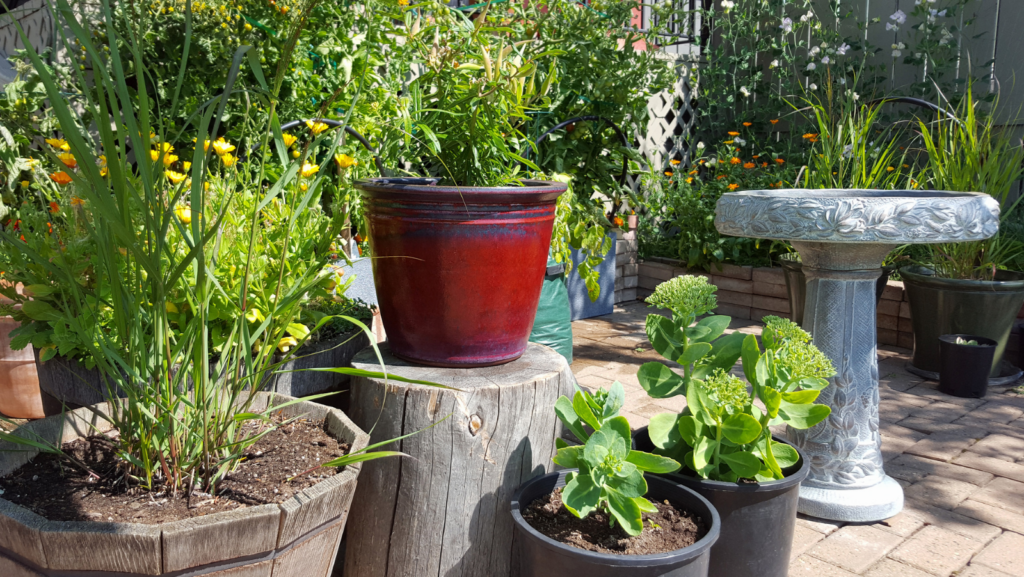
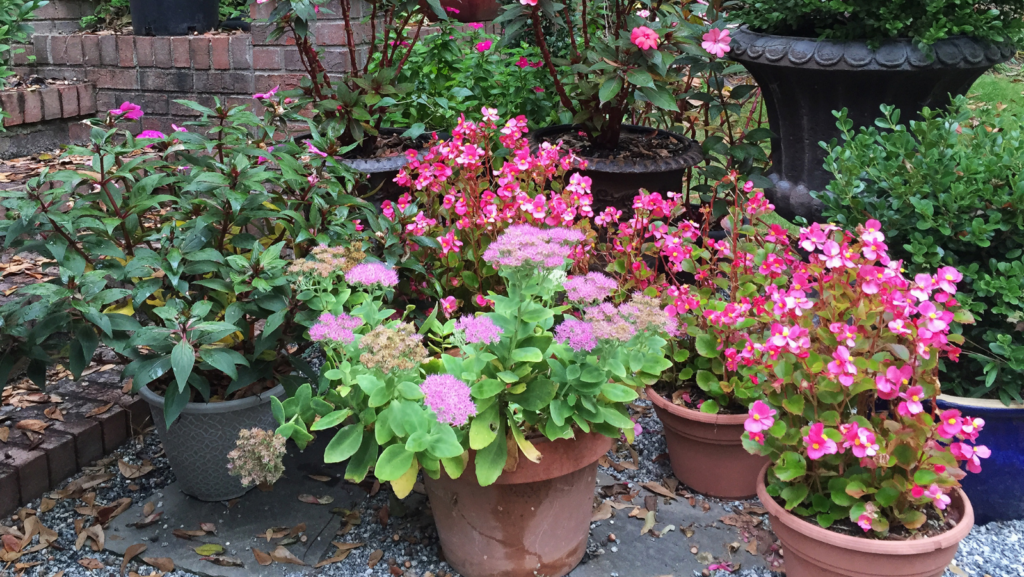
Using containers instead of permanent beds
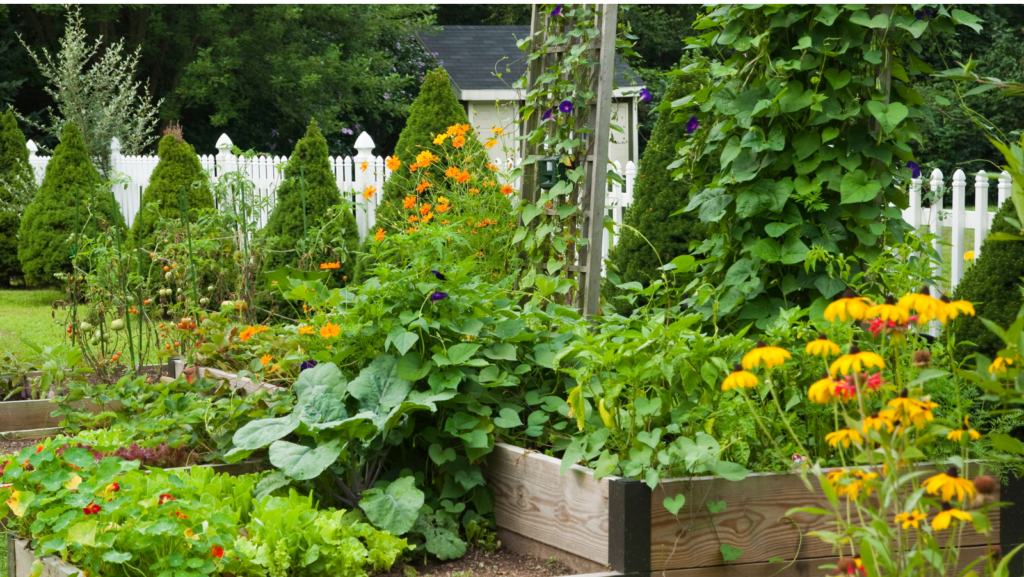
Mixing flowers with vegetables for a more landscaped look
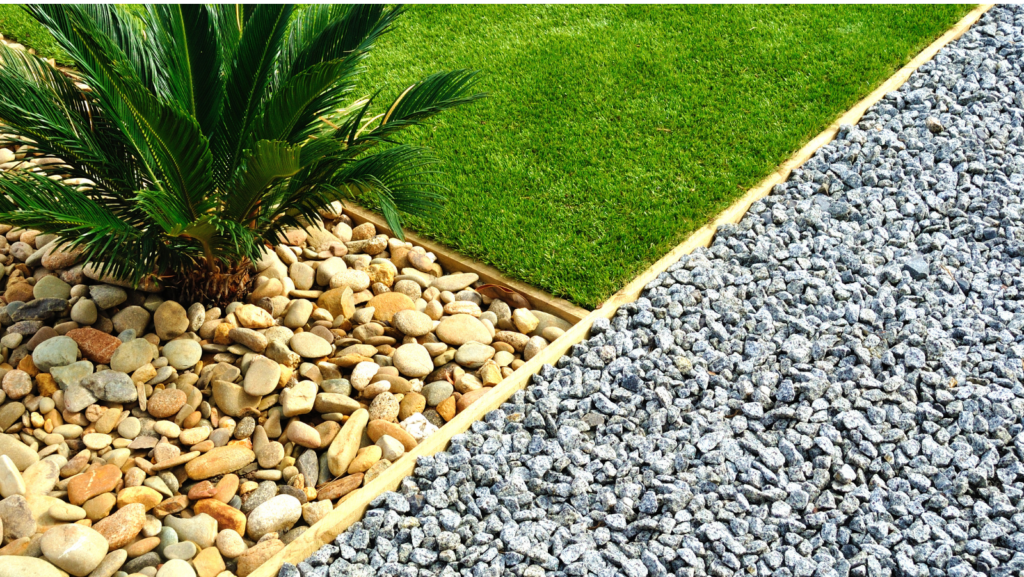
Keeping edges clean and clearly defined
Choosing compact or vertical growing methods
Placing gardens in backyard areas when possible
These small adjustments can make a garden feel intentional and well-maintained, which aligns more closely with HOA expectations.
Always Check Before You Plant
Before starting any new garden project, it is important to review your HOA documents, often referred to as CC&Rs.
These guidelines outline:
What types of plants are allowed
Where gardens can be placed
Whether approval is required before making changes
Taking the time to check these details ahead of time can prevent the need to remove plants or structures later.
What Happens If HOA Rules Are Ignored
Ignoring HOA guidelines can lead to more than just a warning. In many cases, it can create ongoing issues for homeowners.
Depending on the community, homeowners may receive:
Written notices
Fines
Requests to remove non-compliant landscaping
In some cases, entire gardens have had to be removed after being flagged as violations. Because of this, planning ahead is always the better approach.
What Buyers Should Know About HOAs and Gardening
If gardening is important to you, HOA rules should be part of your home search from the beginning. For this reason, it is worth asking questions early in the process.
When looking at homes in Minnesota, it is helpful to ask:
Are vegetable gardens allowed?
Are raised beds permitted?
Are there restrictions on backyard use?
Understanding these details early can help you avoid frustration after moving in.
Gardening in an HOA community can feel restrictive at first. However, it does not mean you have to give up the idea altogether.
With the right approach, it is possible to create a space that is both functional and visually appealing while still staying within the rules.
The key is understanding the guidelines before you begin and designing your garden in a way that works within those boundaries.
I’m Betsy Rewald with Coldwell Banker Realty in Minnesota, born and raised right here in the Land of 10,000 Lakes! I love helping people find their perfect home, whether it’s their first, their dream upgrade, or the perfect place to downsize.
Through my blog, I share tips and ideas for buying and selling, plus insights on great neighborhoods, local events, and ways to make the most of Minnesota living. My goal is to make the home journey fun, stress-free, and full of excitement.
Whether you’re new to the area or a lifelong Minnesotan, I’m here to help you feel right at home—and maybe even fall in love with your next move!
Blog Categories
Home Search Tools
Recent Posts
We use cookies to ensure that we give you the best experience on our website. If you continue to use this site we will assume that you are ok with this.