
If you’ve started exploring a 55+ community in the Twin Cities, you’ve probably noticed something right away. Not every community works the same way.
Some neighborhoods feature brand-new homes still under construction. Others offer resale homes through the traditional real estate market. Then there are cooperative communities, which have an entirely different ownership structure.
At first glance, the differences may seem to come down to price or location. However, the type of 55+ community you choose also affects your monthly costs, equity, taxes, move-in timeline, and even how ownership works.
Understanding these three options before you begin touring homes can save you time, reduce surprises, and help you choose the community that best fits your next chapter.
New Construction 55+ Communities

A new construction 55+ community allows you to purchase directly from a builder, often before the home is completed. In many cases, you’ll select a floor plan, choose finishes, and wait several months while your home is built.
The biggest advantage is simple—everything is brand new.
You’ll typically have modern layouts, energy-efficient features, updated appliances, and the opportunity to personalize many of your finishes before moving in.
Communities like Bellwether by Del Webb in Corcoran and Vita Attiva at South Creek in Farmington are good examples of newer age-targeted neighborhoods in the Twin Cities area.
However, new construction usually comes with a higher purchase price than comparable resale homes. In addition, you’ll need flexibility since construction timelines can change.
If building a home designed around your preferences is your priority, new construction may be an excellent fit.
Resale Homes in a 55+ Community
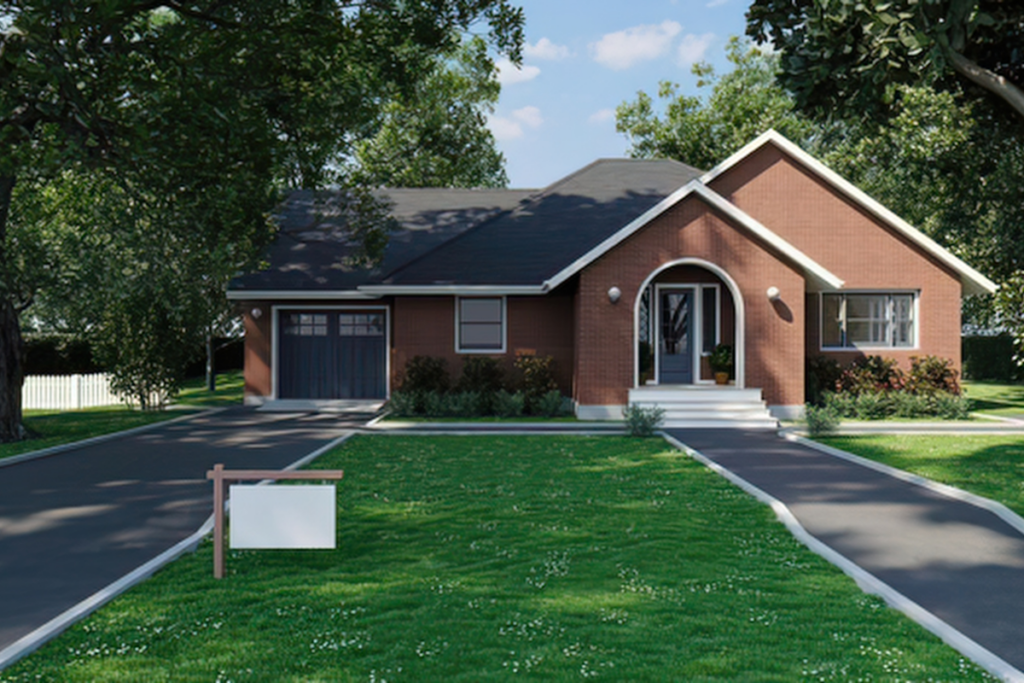
A resale 55+ community works much like a traditional home purchase.
Instead of buying from a builder, you’ll purchase an existing home from the current owner through the Multiple Listing Service (MLS).
One of the biggest advantages is certainty.
You can walk through the exact home you’ll be purchasing, evaluate its condition, and often move much sooner than you could with new construction.
Established communities like Four Seasons at Rush Creek in Maple Grove and Timberwood Village in Eagan also provide years of sales history. That makes it easier to research home values, neighborhood trends, and long-term appreciation before making a decision.
Many buyers also appreciate the mature landscaping and established feel that older neighborhoods naturally develop over time.
If your goal is moving on a specific timeline, resale is often the more practical option.
How Cooperative 55+ Communities Work
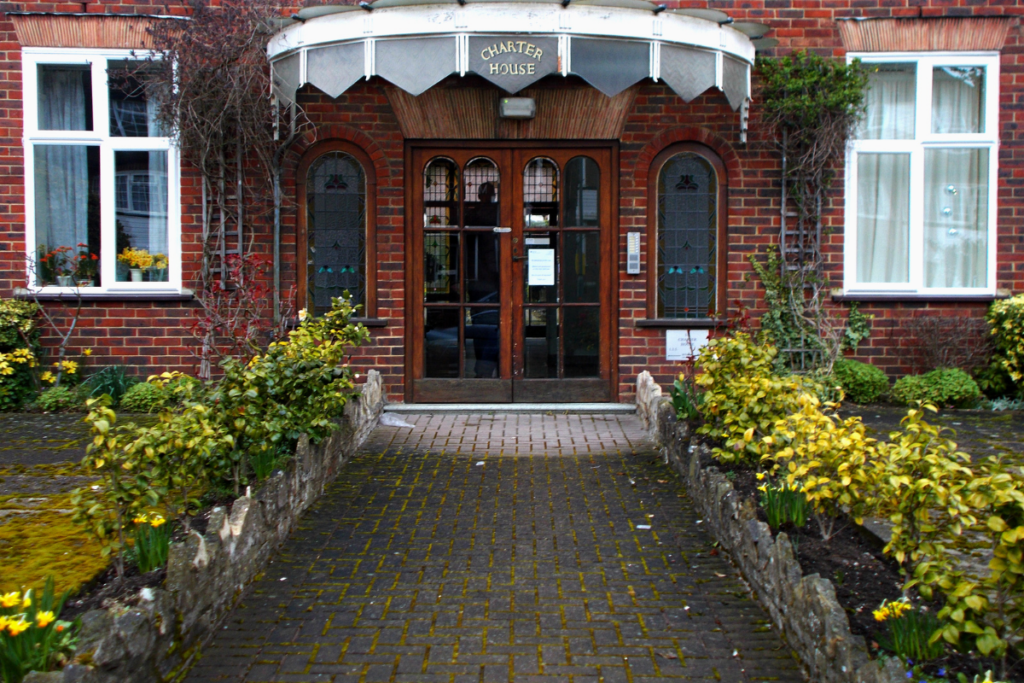
A cooperative 55+ community is different from both new construction and resale ownership.
Instead of purchasing a deed to an individual home or condominium, you purchase a share in the cooperative corporation that owns the entire property. That ownership share gives you the right to live in a specific residence.
While this structure may sound unfamiliar at first, many buyers find it offers several advantages.
Monthly costs are often lower than those found in comparable condominium communities because expenses are shared differently. Depending on your situation, there may also be tax advantages associated with cooperative ownership.
Communities such as 7500 York Cooperative in Edina and Becketwood in Minneapolis have remained popular for years. In fact, many have waiting lists because residents often stay for a long time.
Of course, there are tradeoffs.
When you join a cooperative, you’re becoming part of a member-owned community. Residents typically participate in community decisions through an elected board, and approval processes may differ from a traditional home purchase.
For buyers seeking long-term stability and a strong sense of community, that can be a significant benefit.
Which 55+ Community Is Right for You?

There isn’t one answer that fits everyone.
The best 55+ community depends on your timeline, financial goals, and personal preferences.
Buyers who want a brand-new home with modern finishes and flexibility on timing may find new construction is the best fit.
On the other hand, an established resale home often works well for buyers who want to move sooner into a neighborhood with a proven track record.
Buyers interested in lower monthly costs and shared community ownership may find a cooperative worth exploring, even if it means joining a waiting list.
Before deciding, it also helps to think through your overall moving timeline. A 90-Day Downsizing Plan for Seniors can help you organize the process step by step.
If you’re still deciding whether now is the right time to move, Should You Downsize Before or After Retirement in Minnesota? explores that question in greater detail.
No matter which direction you choose, understanding how each 55+ community works before you fall in love with a particular home can help you make a more confident decision.
Sometimes the ownership structure matters just as much as the floor plan
Want to compare your options? My free 55+ Buy-In Communities Guide includes 55+ communities across the Twin Cities metro, organized by new construction, resale, and cooperative ownership.