

One of the hardest parts of downsizing isn’t the move.
It’s the decisions.
After decades in one home, every drawer, closet, and storage bin holds something. Some items are useful. Others are sentimental. Many are simply… there.
So what do you do with your stuff when downsizing?
The key is not speed.
The key is structure.
For a deeper look at the mindset behind gradual downsizing, read my article on Swedish Death Cleaning.
Why Deciding What to Do With Your Stuff Matters

When people feel stuck during downsizing, it’s usually because they don’t know how to decide.
Without a clear framework, every item feels equally important.
As a result, decisions get delayed. Rooms stay full. And stress builds.
However, when you know exactly what category an item belongs in, the process becomes manageable.
That’s where a simple system helps.
The Keep, Sell, Donate, or Store Framework
When downsizing, every item should fall into one of four categories:
Keep.
Sell.
Donate.
Store.
Let’s break those down.
1. What to Keep

Keep the items you actively use and truly value.
This includes:
- Furniture that fits your next home
- Everyday kitchen items
- Clothing you wear regularly
- A small number of meaningful heirlooms
Importantly, keeping something should have a purpose.
If it doesn’t fit your next space or your next season of life, it may belong elsewhere.
2. What to Sell
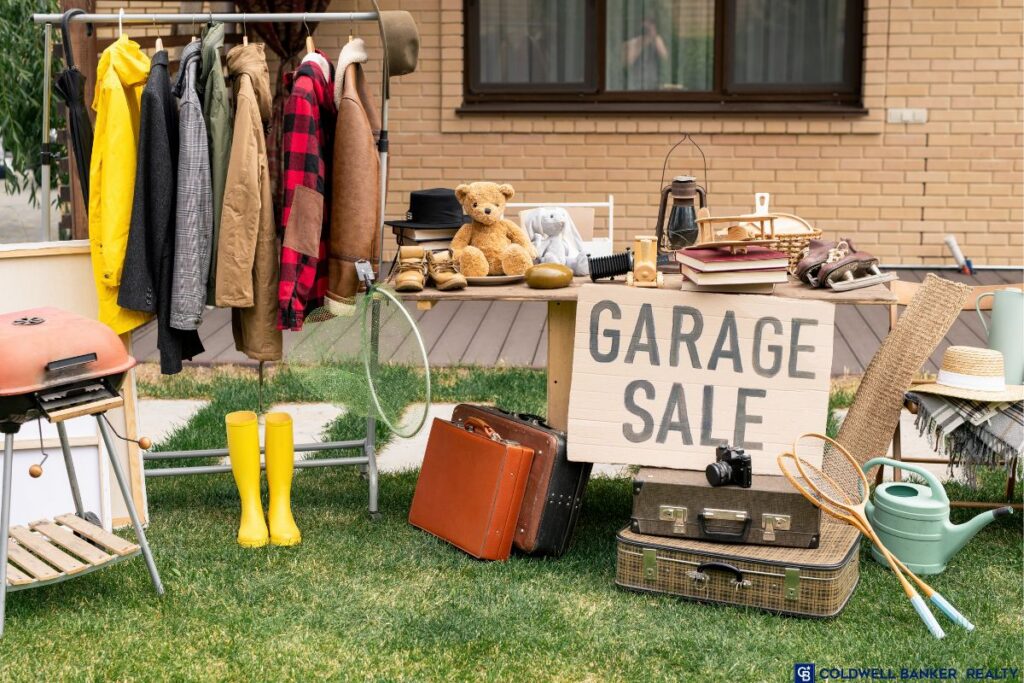
Some items are worth money.
Instead of donating everything, consider selling:
- Quality furniture
- Antiques
- Collectibles
- Tools or equipment
- Items in high demand locally
Selling can offset moving expenses or closing costs.
However, set a deadline. If it doesn’t sell within a reasonable time frame, move it to the donate category.
3. What to Donate

Donation is often the easiest and most freeing category.
You might donate:
- Extra dishes
- Duplicate décor
- Gently used clothing
- Books
- Small furniture
Donation allows your items to serve someone else.
For many families, this step brings relief rather than regret.
4. When Storage Makes Sense
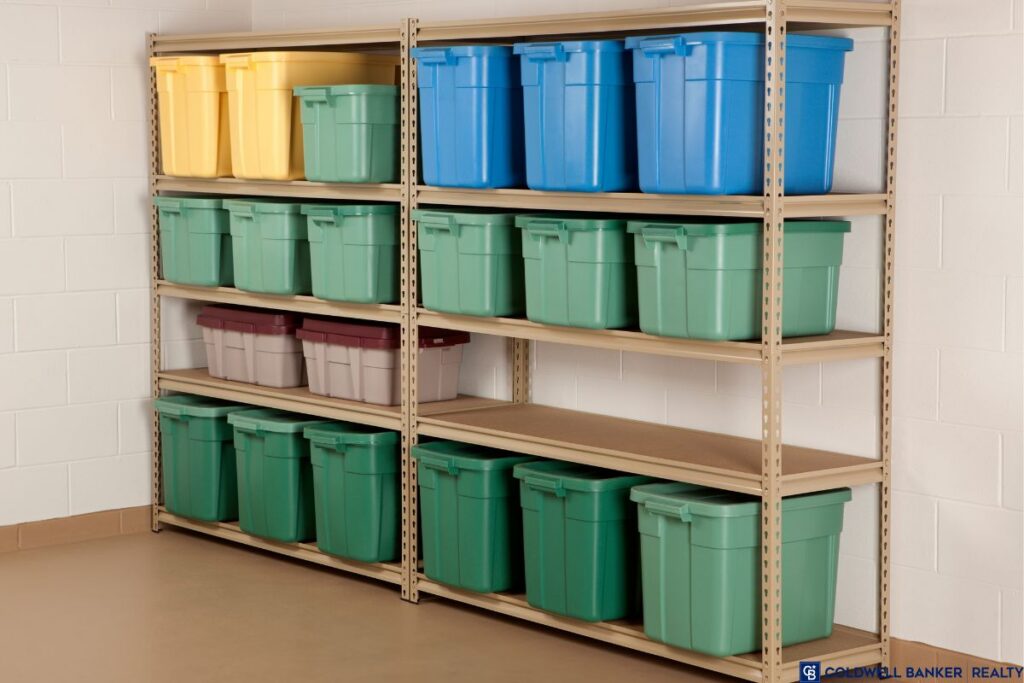
Storage is not a default solution.
However, it can make sense if:
- You are moving quickly
- You are unsure about a few large items
- You are waiting for a future housing decision
Be cautious, though.
Long-term storage can become delayed decision-making.
If you choose storage, set a review date.
How to Handle Sentimental Items
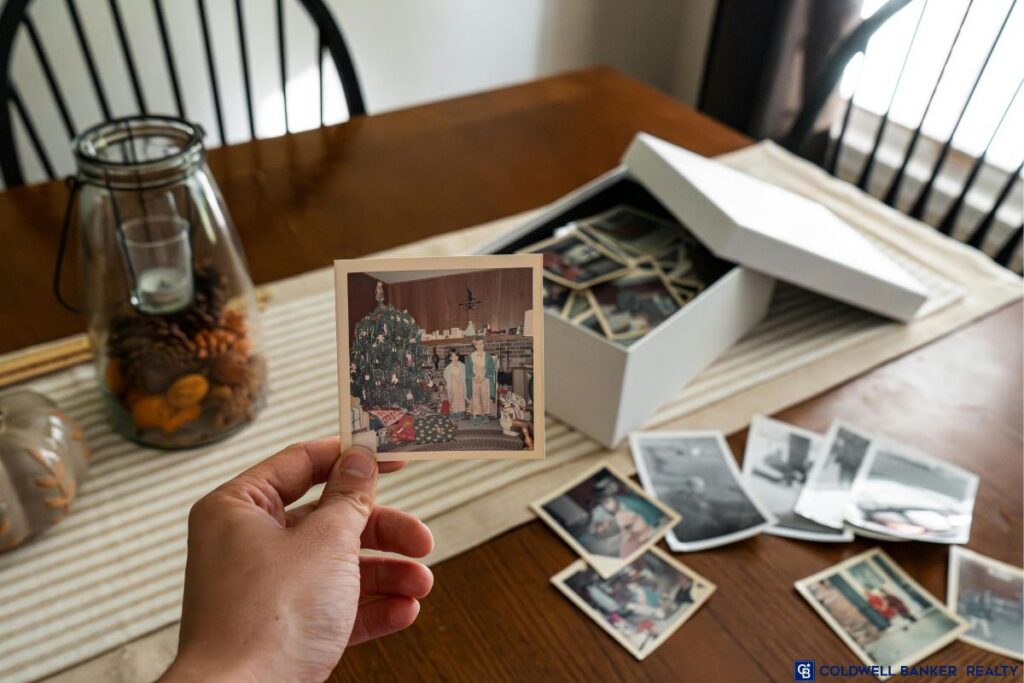
Sentimental belongings are often the most difficult part of deciding what to do with your stuff when downsizing.
Start slowly.
Instead of sorting everything at once, choose one small category at a time.
You might:
- Digitize photos
- Gift heirlooms intentionally
- Keep one memory box per person
- Write the story behind important items
Memories are not contained in the object alone.
They live in you.
A Room-by-Room Decision Guide
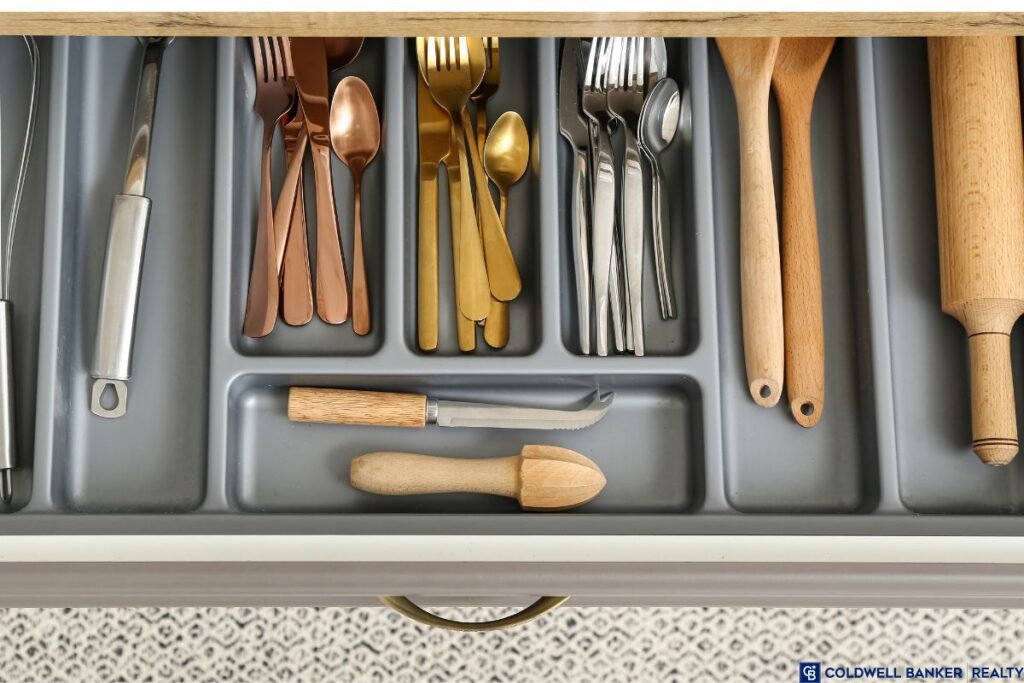
If you feel stuck, start with easier spaces first.
Kitchen: Remove duplicates and rarely used appliances.
Closets: Keep what fits and is worn regularly.
Garage: Sort tools and seasonal items honestly.
Basement or attic: Focus on boxes you haven’t opened in years.
Momentum builds confidence.
When to Start Deciding What to Do With Your Stuff

he best time to decide what to do with your stuff when downsizing is before the move becomes urgent.
Gradual progress prevents crisis clean-outs.
It also reduces stress on adult children and makes preparing your home for sale much easier.
If you haven’t already, I recommend starting with my 90-Day Downsizing Plan and exploring the full Downsizing Series for step-by-step guidance.
Downsizing doesn’t have to feel chaotic.
With a clear system, it becomes manageable — and even freeing.