Small space gardening in Minnesota is more practical than many homeowners expect. Even with limited square footage, a shorter growing season, and changing weather conditions, it is still possible to create a garden that feels both productive and inviting.
In many cases, smaller spaces are actually easier to manage. Instead of maintaining large garden beds, patios, decks, and compact outdoor areas provide just enough room to grow herbs, vegetables, and flowers without becoming overwhelming. When the space is planned with intention, even a small patio can feel like a complete and functional garden.
Why Small Space Gardening Works Well in Minnesota
Minnesota’s shorter growing season makes efficiency especially important. Because of this, small space gardening in Minnesota allows homeowners to focus on fewer plants while still getting reliable results.
In addition, smaller gardens are easier to monitor, water, and maintain. As a result, plants often perform better because they receive more consistent care. At the same time, patios and decks tend to warm up faster in the spring, which can give plants a slight advantage early in the season.
Because of these conditions, containers and raised planters are often more successful than in-ground planting when space is limited.
If you are just getting started, it helps to understand how timing and plant selection work together.
👉 You can start here:
Outdoor Gardening in Minnesota: What Actually Works (and What to Know Before You Start)
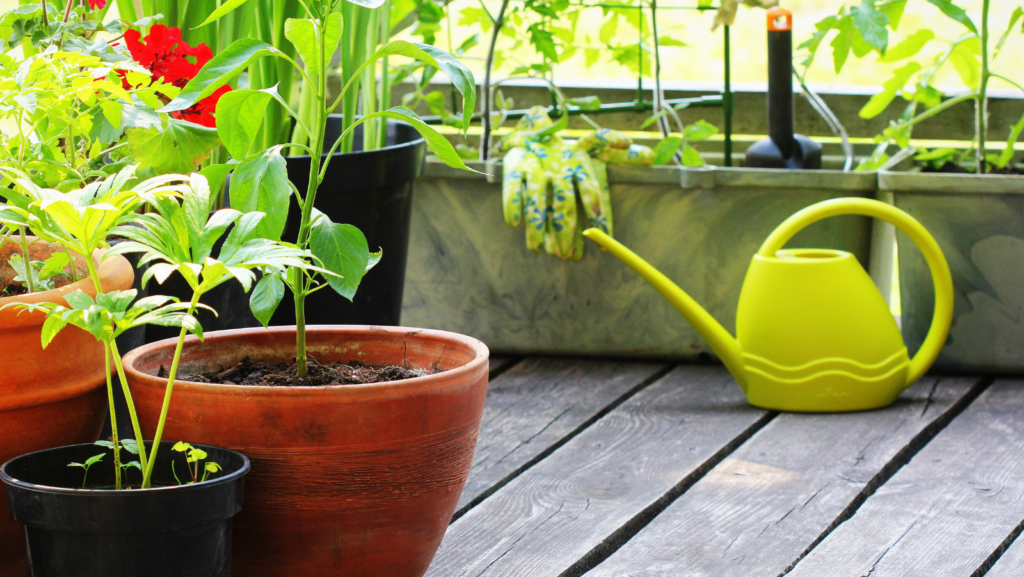
Patio Gardening Setups That Actually Work
A well-planned patio garden starts with simple, flexible setups that are easy to manage throughout the season.
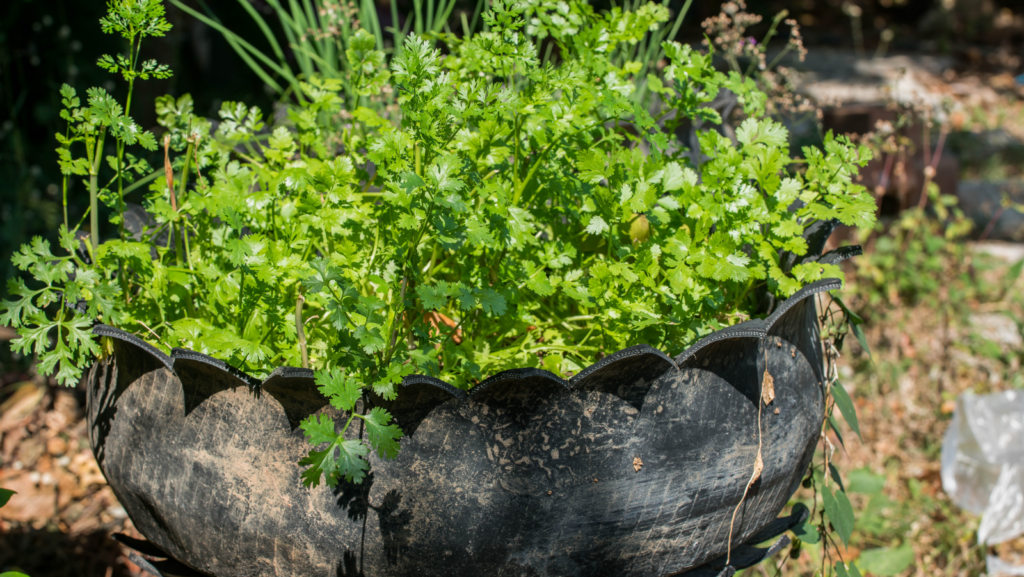
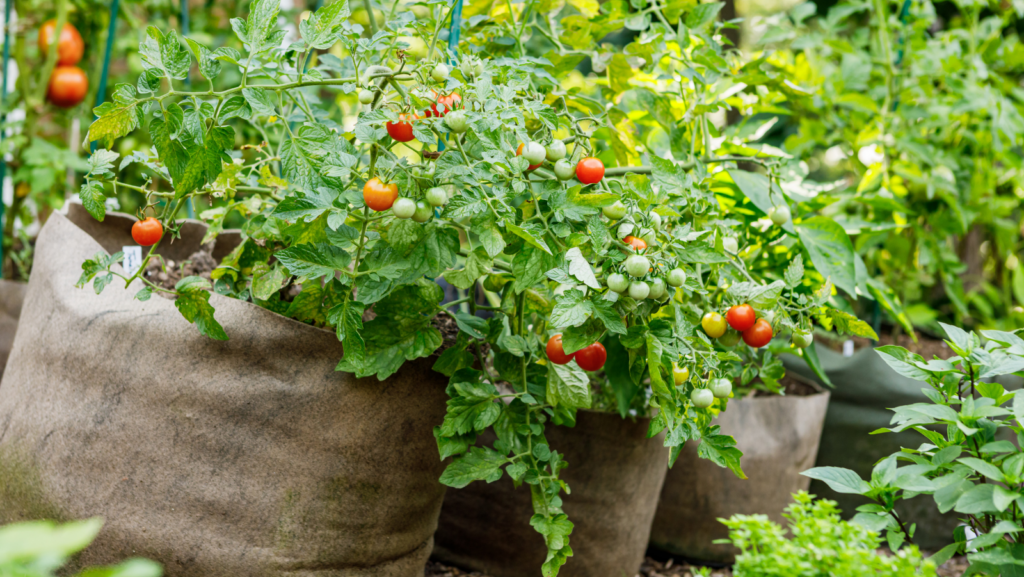
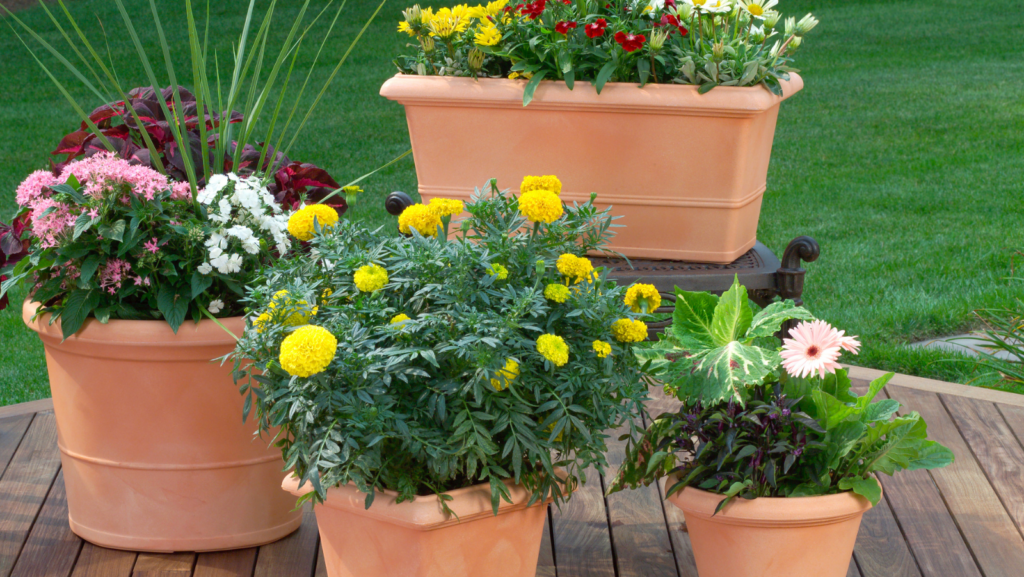
Containers are one of the most reliable options because they allow you to control soil quality, improve drainage, and move plants when needed. In addition, grow bags are especially useful since they help prevent overwatering and regulate root temperature.
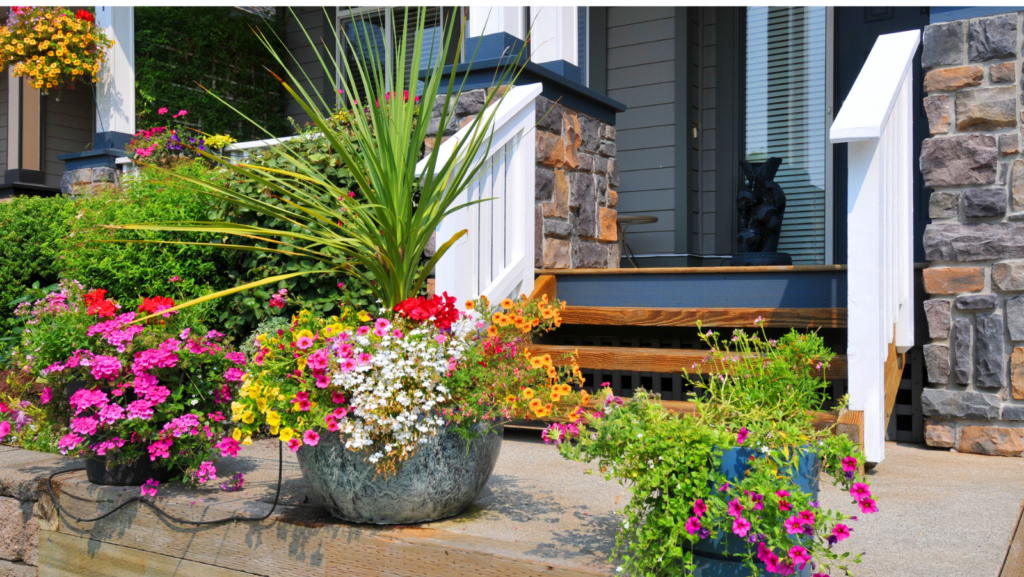
Railing planters can also create additional growing space without taking up valuable floor area. Because of this, they work especially well on decks and smaller patios.
At the same time, you do not need to start everything from seed. Many garden centers offer ready-to-go options that simplify the process. Pre-made planters can be placed directly on a patio or deck, and potted vegetables like tomatoes and peppers are often available early in the season.
Because of this, it is possible to create a productive and attractive garden without building everything from scratch. If you are looking for inspiration or want to see what grows well locally, visiting a nearby nursery can be a helpful first step.
👉 You can explore some local favorites here:
Favorite Garden Centers in the Twin Cities Northeast Metro
Vertical Gardening Makes the Most of Limited Space
When space is limited, vertical gardening becomes one of the most effective ways to grow more without expanding your footprint.
Trellises work well for climbing plants such as cucumbers, peas, and beans. In addition, wall planters can be used for herbs and leafy greens. Because these systems keep plants off the ground, they improve airflow, reduce crowding, and help maintain a cleaner, more organized space.
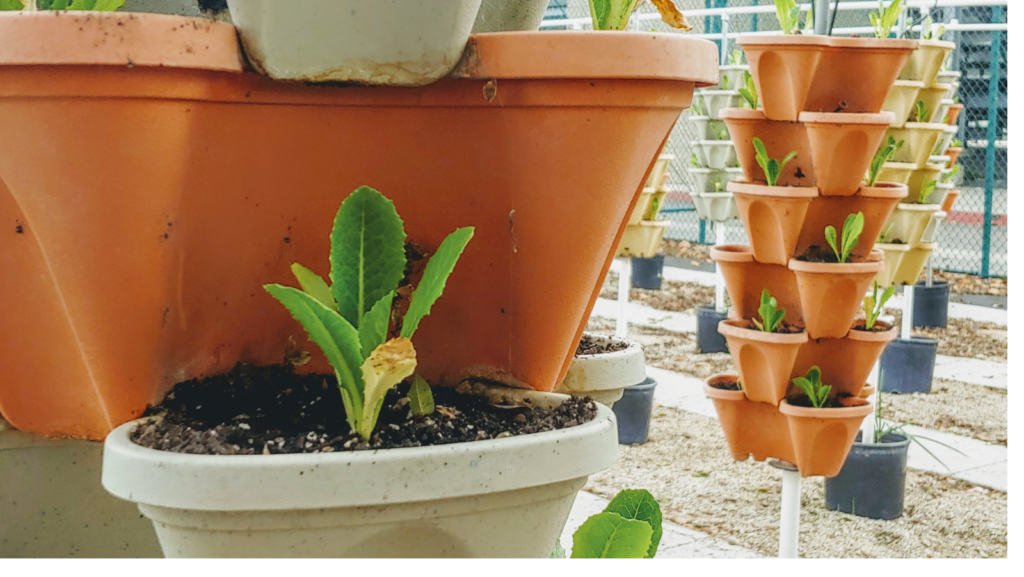
One option that has become especially popular for small space gardening in Minnesota is vertical tower systems, such as GreenStalk planters. These tiered planters allow you to grow a large number of plants in a very compact area, which makes them ideal for patios, decks, and smaller yards.
A standard GreenStalk planter takes up roughly 2 square feet of ground space, while still providing multiple planting pockets stacked vertically. Because of this, you can grow a surprising amount of food in a very small footprint.
In addition, each level drains into the one below, which makes watering simple and efficient. At the same time, the vertical design helps maximize sunlight exposure, which is especially helpful during Minnesota’s shorter growing season.
GreenStalk planters work well for:
- Strawberries
- Lettuce and leafy greens
- Herbs
- Compact vegetable varieties
They are typically available online or through select garden centers, and many homeowners find them to be one of the easiest ways to start gardening in a limited space.

What Grows Well in Small Spaces
Not every plant is suited for containers or compact gardens. However, many varieties perform well when space is limited.
Reliable choices include:
- Cherry tomatoes
- Lettuce and leafy greens
- Peppers
- Strawberries
- Herbs such as basil, thyme, and chives
Because these plants do not require large root systems, they adapt well to containers and raised planters. In addition, choosing compact or patio varieties can improve success and make maintenance easier.
Making a Small Garden Look Intentional
In smaller spaces, appearance matters just as much as function. A patio garden should feel like part of your home rather than an afterthought.
Because of this, it helps to focus on layout and structure. Keeping containers grouped, maintaining clean edges, and limiting the number of plant varieties can make the space feel more organized.
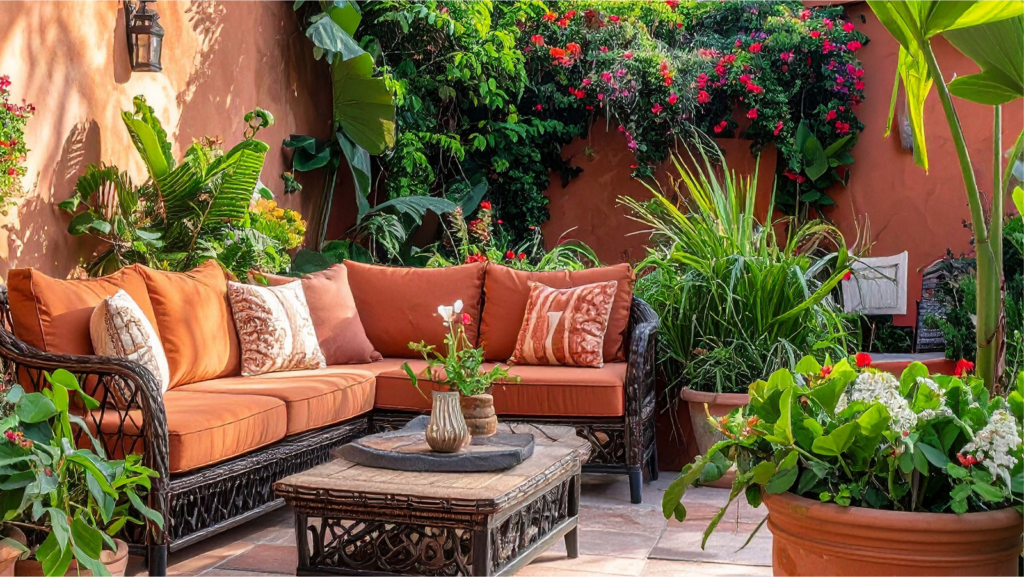
At the same time, adding a simple chair, bench, or small table can turn the area into a usable outdoor space instead of just a place for plants.
This is where gardening connects directly to curb appeal. Even small updates can improve how a home looks and feels, especially when paired with ideas from
Easy Spring Curb Appeal Ideas for Minnesota Homes.
Small Space Gardening in an HOA Community
For homeowners living in townhomes or managed communities, small space gardening in Minnesota often overlaps with HOA guidelines.
Because patios and decks are more controlled environments, they are usually one of the easiest places to garden without violating restrictions. Containers, vertical systems, and compact layouts tend to align well with HOA expectations.
However, rules can vary. Because of this, it is always important to understand what is allowed before making changes.
👉 You can read more here:
Gardening in an HOA Community: What Minnesota Homeowners Need to Know
Why Small Gardens Add Value to a Home
Even a small, well-maintained garden can make a home feel more inviting and functional. Buyers are often drawn to outdoor spaces that feel usable, even if they are limited in size.
A clean and intentional patio garden can make a space feel larger, show that the home is well cared for, and add lifestyle appeal without requiring significant maintenance.
Because of this, small space gardening is not just practical. It can also support long-term value.
Conclusion
Small space gardening in Minnesota is not about having less. Instead, it is about using space more intentionally.
When you focus on the right plants, use vertical space effectively, and keep your layout simple, even a small patio can become a productive and enjoyable garden.
Over time, these small improvements can transform how your outdoor space feels, making it both functional and inviting.