

Downsizing comes with a lot of decisions, and most of them feel important in the moment.
When you are sorting through a lifetime of belongings, it is natural to second-guess yourself. Because of that, many people lean toward keeping more than they need, just to be safe.
However, once the move is over and daily life settles in, the picture becomes much clearer.
Certain items that once felt worth keeping often turn into the very things people wish they had let go. Many of these decisions come from the same patterns that feel smart at the time but create more work later, which is something I break down further in this post on downsizing mistakes that seem like a good idea.
Furniture That Was “Too Good” To Let Go
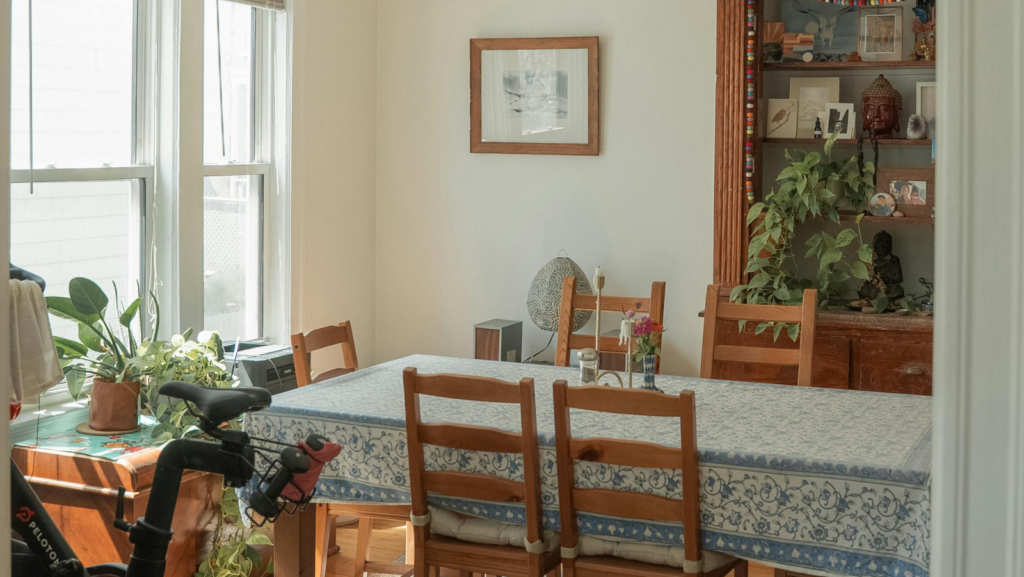
Large furniture is one of the biggest sources of regret after downsizing.
At the time, it feels practical to keep it. It is well made, still in good condition, and often tied to years of use. Because of that, it seems wasteful to let it go.
However, once it is placed in a smaller home, the reality shifts.
Rooms feel tighter, layouts become harder to work with, and the space never quite feels settled. Instead of fitting naturally, the furniture starts to control the room.
👉 If you’re dealing with this right now, read:
Downsizing in Minnesota: What to Do When Your Furniture Won’t Fit
This is one of the most common challenges people run into when moving into a smaller space.
Over time, many homeowners realize that keeping oversized pieces made their new space harder to live in.
Boxes That Never Get Opened Again

Packing quickly often leads to boxes labeled “sort later.”
At first, this feels like a helpful strategy. It allows you to move forward without slowing down every decision.
However, after the move, those boxes tend to sit untouched.
Weeks turn into months, and eventually those items fade into the background of daily life. When they are finally opened, many people realize they did not miss anything inside.
Because of this, those boxes become a delayed decision rather than a useful one.
Duplicate Items You Thought You Needed
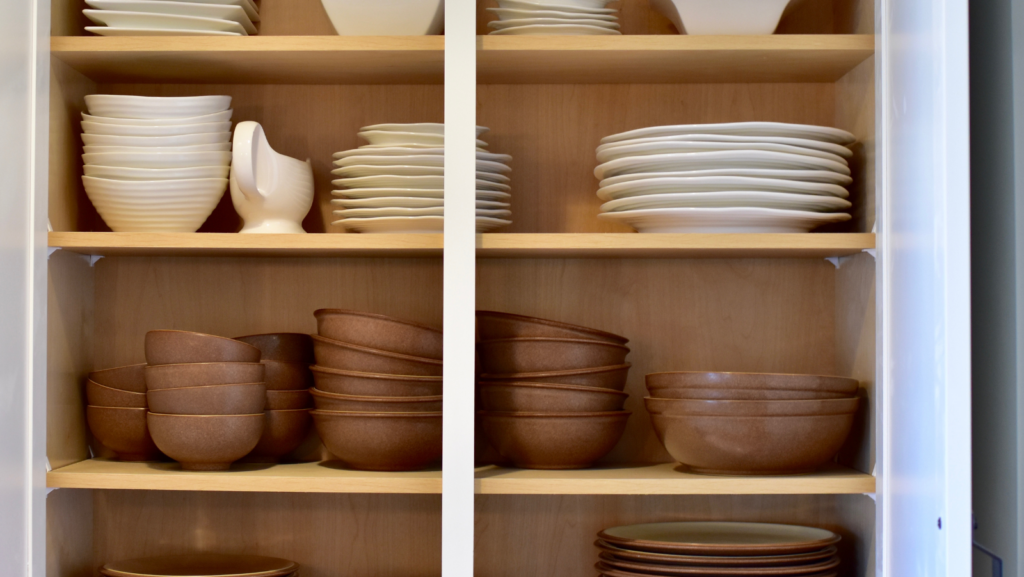
Duplicates are easy to justify during a downsize.
Extra sets of dishes, multiple sheet sets, backup kitchen tools, and seasonal decor often seem harmless to keep. After all, they may come in handy someday.
However, smaller homes change how things are used.
Storage is more limited, and daily routines become simpler. As a result, most people end up using the same few items over and over, while everything else takes up space.
👉 If you’re trying to sort through a full household of belongings, read:
What to Do With a Lifetime of Stuff: A Practical Guide for Downsizing
Over time, those extra items begin to feel unnecessary rather than helpful.
Sentimental Items Without a Place

Sentimental belongings are often the hardest to sort through.
These are the items tied to memories, family history, and meaningful moments. Because of that, it feels wrong to let them go.
However, not every sentimental item fits into a smaller home.
When these pieces are packed away without a clear place or purpose, they often stay hidden. Instead of being enjoyed, they become something that is simply stored.
Many people later wish they had kept a smaller, more meaningful selection rather than trying to hold onto everything.
Things Kept “Just In Case”

The “just in case” mindset is one of the biggest drivers of clutter after downsizing.
It applies to everything from extra supplies to rarely used items that might be needed someday. While this thinking feels practical, it rarely plays out that way.
Most of these items are never used again.
Meanwhile, they take up valuable space in a home that now requires more intentional use of every area. As a result, what once felt like preparation often becomes unnecessary weight.
What People Are Glad They Kept
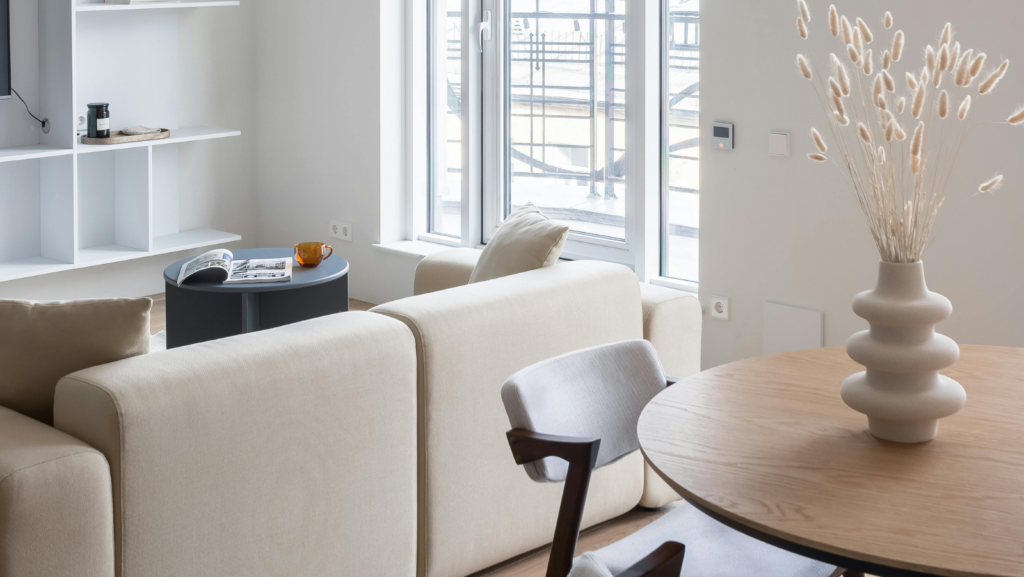
While there are common regrets, there are also patterns in what people are truly glad they brought with them.
Items used in daily life tend to matter most. Comfortable seating, a few meaningful decor pieces, and practical kitchen essentials usually earn their place.
In addition, items that support routines and comfort carry more value than things kept out of habit.
Instead of trying to preserve everything, successful downsizing focuses on keeping what continues to serve a purpose.
What This Means For Your Own Downsize

If there is one pattern that stands out, it is this.
Regret usually does not come from letting go of too much. It comes from holding onto things that no longer fit your space or your lifestyle.
Because of that, it helps to make decisions with your next home in mind, not your current one.
Ask yourself how each item will function in your new space. If it does not have a clear role, it may be worth reconsidering.
Final Thoughts
Downsizing is not just about reducing what you own. It is about choosing what continues to fit your life moving forward.
At first, it can feel safer to keep more than you need. However, over time, the goal becomes clearer.
A well-designed smaller home is not filled with everything you used to have. Instead, it is built around what you actually use and enjoy.
The more intentional you are before the move, the fewer regrets you will carry into your next space.

I’m Betsy Rewald with Coldwell Banker Realty in Minnesota, born and raised right here in the Land of 10,000 Lakes! I love helping people find their perfect home, whether it’s their first, their dream upgrade, or the perfect place to downsize.Through my blog, I share tips and ideas for buying and selling, plus insights on great neighborhoods, local events, and ways to make the most of Minnesota living. My goal is to make the home journey fun, stress-free, and full of excitement.Whether you’re new to the area or a lifelong Minnesotan, I’m here to help you feel right at home—and maybe even fall in love with your next move!