
Pricing a home correctly is one of the most important decisions a seller makes. Get it right and the market responds quickly. Get it wrong and the consequences show up fast, sometimes before sellers even realize what is happening.
Most sellers start with a number in mind. That number is often based on what they paid, what they have put into the home, or what a neighbor sold for two years ago. Unfortunately, none of those factors determine market value. What buyers are willing to pay right now is the only number that matters.
The Market Tells You Within the First Two Weeks

The first two weeks on the market are the clearest feedback a seller will ever receive. During this window, buyers who have been watching and waiting respond immediately to new listings. As a result, strong activity in the first two weeks signals correct pricing. Weak activity signals the opposite.
Specifically, watch for three things during this window. First, how many showings are you getting? Second, are buyers making offers? Third, what is the feedback from agents after showings? If showings are low and feedback is vague, the price is almost always the issue. Furthermore, if buyers are touring the home but not making offers, the price is likely just above where the market wants it to be. The First 7 Days on the Market: What Sellers Need to Know covers exactly why this window is so critical and what to pay attention to during it.
Low Showing Activity Is the Clearest Signal

Low Showing Activity Is the Clearest Signal
Showings do not start at your front door. Instead, they start online. Buyers scroll through listings and decide within seconds whether a home is worth seeing in person. Because of that,
buyers filter out overpriced homes before they ever schedule a visit
.
If your home has been on the market for two weeks with very few showings, the price is almost certainly the reason. Moreover, this is worth addressing quickly. The longer a home sits without activity, the more buyers assume something is wrong with it. That perception is difficult to reverse even after a price reduction. Why Your Home Is Not Getting Showings walks through the full picture of what causes low showing activity and what sellers can do about it.
Offers Below Asking Tell You Something Too

Receiving low offers is frustrating. However, they are useful information. A buyer who submits a low offer is telling you exactly where they think the home should be priced. When multiple buyers come in low, the market is giving you a very clear and consistent signal.
Additionally, no offers at all after strong showing activity is one of the most telling signs of overpricing. Buyers are interested enough to tour the home. However, the price does not align with what they are seeing. That gap between interest and action almost always comes down to price.
How Comparable Sales Actually Work

The most reliable way to evaluate your price is to look at what similar homes have actually sold for recently. Not what they are listed for. Not what they sold for a year ago. What buyers paid for comparable homes in the last sixty to ninety days.
This is called a comparative market analysis and it is the foundation of accurate pricing. Furthermore, it requires looking at homes that are genuinely similar in size, condition, location, and features. A home that sold six months ago in a different neighborhood tells you very little about what your home is worth today. Your agent should be able to walk you through this analysis in detail before you set your price.
The Danger of Pricing High to Leave Room to Negotiate
Many sellers price high intentionally. The logic feels reasonable. Start high, leave room to come down, and end up where you wanted to be anyway. In practice, however, this strategy rarely works the way sellers expect.
Overpriced homes attract fewer showings. As a result, they sit on the market longer. The longer a home sits, the more buyers wonder what is wrong with it. Price reductions after extended market time often generate less excitement than a correctly priced home does from day one. Moreover, the buyers who would have been most interested often moved on weeks earlier when the home first appeared and felt out of reach.
What a Price Reduction Actually Signals
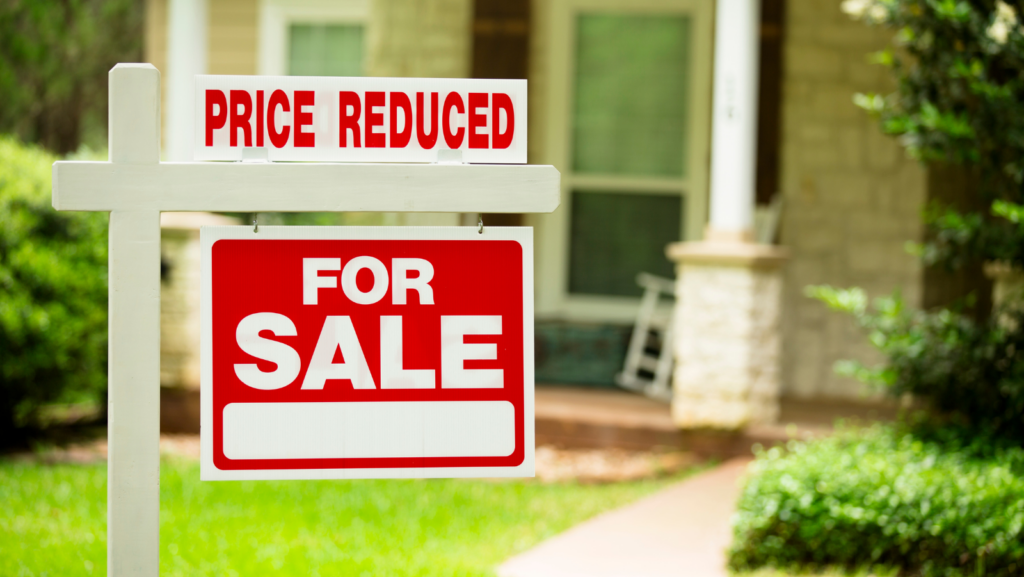
A price reduction is not neutral. Buyers and their agents notice when a home drops in price. In some cases it creates renewed interest. In others it raises questions about why the home has not sold and what might be wrong with it.
Consequently, the best time to be correctly priced is from the very beginning. A home that generates strong activity in the first two weeks and receives competitive offers is almost always one that was priced accurately at the start. That outcome is far more reliable than starting high and adjusting later.
Signs Your Home Is Priced Right
Correct pricing does not always mean multiple offers. However, it does produce consistent, recognizable signals. Showings happen regularly in the first two weeks. Buyer feedback is positive and focused on features rather than price. Offers come in at or near asking. Furthermore, the home does not sit on the market long enough for buyers to start wondering why it is still available.
When all of those things are happening, the price is working. When they are not, the price is usually the place to start looking for answers.
What to Do If You Think Your Home Is Overpriced

If the signals are pointing toward overpricing, acting quickly matters. The first two weeks are the most valuable window in the entire selling process. Losing that window to an incorrect price is one of the most common and costly mistakes sellers make.
Talk to your agent honestly about what the market is telling you. Review comparable sales together. Understand what buyers in your price range are actually seeing when they compare your home to others. Additionally, consider what a price adjustment would mean for your timeline and your goals. A smaller reduction made early almost always produces better results than a larger one made after extended market time.
If you are preparing to sell and want to understand the full process from pricing through closing, From Listing to Closing: Your Comprehensive Guide to Selling a Home walks through every stage in detail.

I’m Betsy Rewald with Coldwell Banker Realty in Minnesota, born and raised right here in the Land of 10,000 Lakes! I love helping people find their perfect home, whether it’s their first, their dream upgrade, or the perfect place to downsize.Through my blog, I share tips and ideas for buying and selling, plus insights on great neighborhoods, local events, and ways to make the most of Minnesota living. My goal is to make the home journey fun, stress-free, and full of excitement.Whether you’re new to the area or a lifelong Minnesotan, I’m here to help you feel right at home—and maybe even fall in love with your next move!