

The moment your offer gets accepted feels like the finish line. In reality, it is the starting line of a completely different process. Between offer accepted and closing day, a lot happens. Most buyers have no idea what to expect during this period and that uncertainty makes it more stressful than it needs to be.
Understanding what comes next, in what order, and why each step matters removes most of that stress. This post walks through the entire period from accepted offer to closing day so nothing catches you off guard.
The First 48 Hours After Acceptance

The period immediately after acceptance moves fast. Several things happen simultaneously and missing any of them creates problems later.
Your agent submits the signed purchase agreement to all parties. Earnest money is typically due within one to three business days. Furthermore, notifying your lender immediately allows them to begin the formal loan process right away. Additionally, the inspection needs to be scheduled right away since the inspection contingency window is usually short. Most contracts allow seven to ten days for inspection. Waiting even a day or two to schedule can put you in a difficult position if the inspector is not available quickly.
The Home Inspection

The inspection is one of the most important steps in the entire buying process. A licensed inspector walks through the home and evaluates its condition thoroughly. As a result, you receive a detailed report that tells you exactly what you are buying.
Attending the inspection in person is strongly recommended. Walking through the home with the inspector gives you real time explanations that a written report cannot fully replicate. After the inspection, you and your agent review the findings together and decide what to ask for. You can request repairs, ask for a closing credit, accept the home as is, or in serious cases walk away during the contingency period. What to Expect at a Home Inspection When Buying a Home covers the full inspection process in detail. Additionally, Things Home Inspectors Find That Buyers Always Miss is worth reading before your inspection so nothing surprises you in the report.
The Appraisal
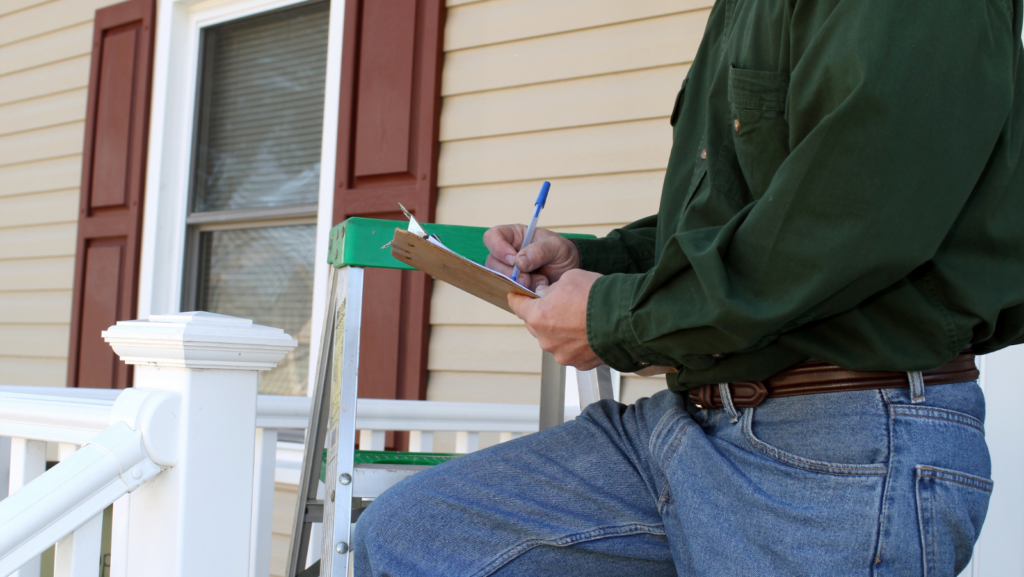
Your lender orders an appraisal shortly after the inspection period closes. An independent appraiser evaluates the home and determines its market value. Consequently, your lender uses this value to confirm the loan amount makes sense relative to the purchase price.
When the appraisal falls below the purchase price, you have options. Options include negotiating a price reduction, paying the difference in cash, challenging the appraisal with additional comparable sales, or walking away if your contract includes an appraisal contingency. Your agent guides you through whichever path makes the most sense for your situation.
What Your Lender Is Doing During This Period
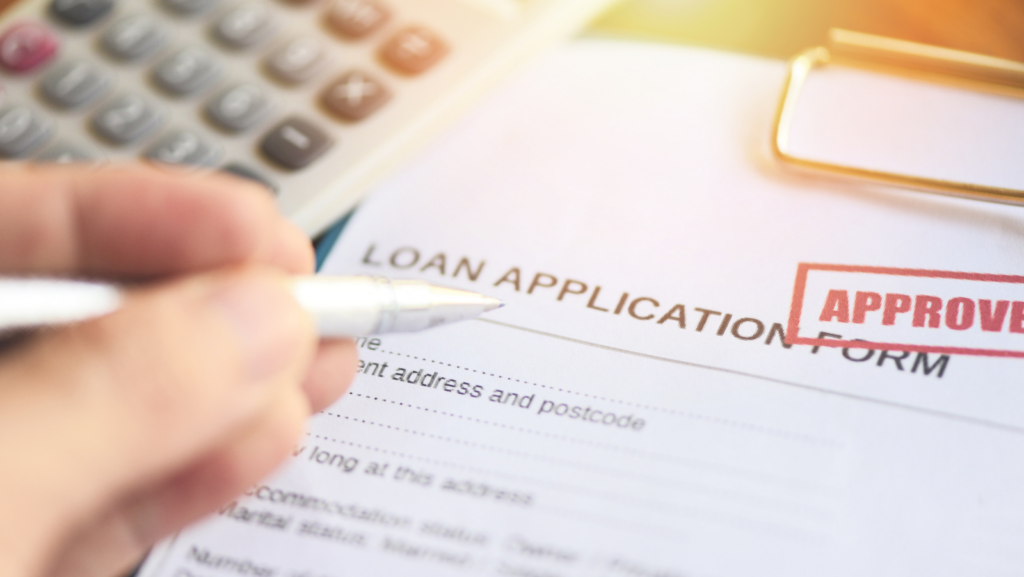
While the inspection and appraisal are happening, your lender is working through the formal loan approval process. Agents call this stage underwriting and your lender reviews your financial information in detail during it.
During underwriting, avoid making any large purchases, opening new credit accounts, or changing jobs. Furthermore, respond to any requests from your lender quickly. Underwriting often requires additional documentation and delays in providing it push back your closing date. Your lender will issue a Closing Disclosure at least three business days before closing. This document outlines your final loan terms, closing costs, and the exact amount you need to bring to closing. Review it carefully and ask questions about anything that is unclear.
The Title Search and Title Insurance
A title company researches the property’s ownership history before closing. This research confirms the seller holds the legal right to sell and uncovers any outstanding liens, unpaid taxes, or ownership disputes that could affect your purchase.
Title insurance then protects you against any claims that arise after closing related to the property’s past. Most lenders require a lender policy. Additionally, most buyers purchase an owner’s policy for their own protection. The title company also coordinates your closing, handling the transfer of funds and documents on closing day.
The Final Walkthrough
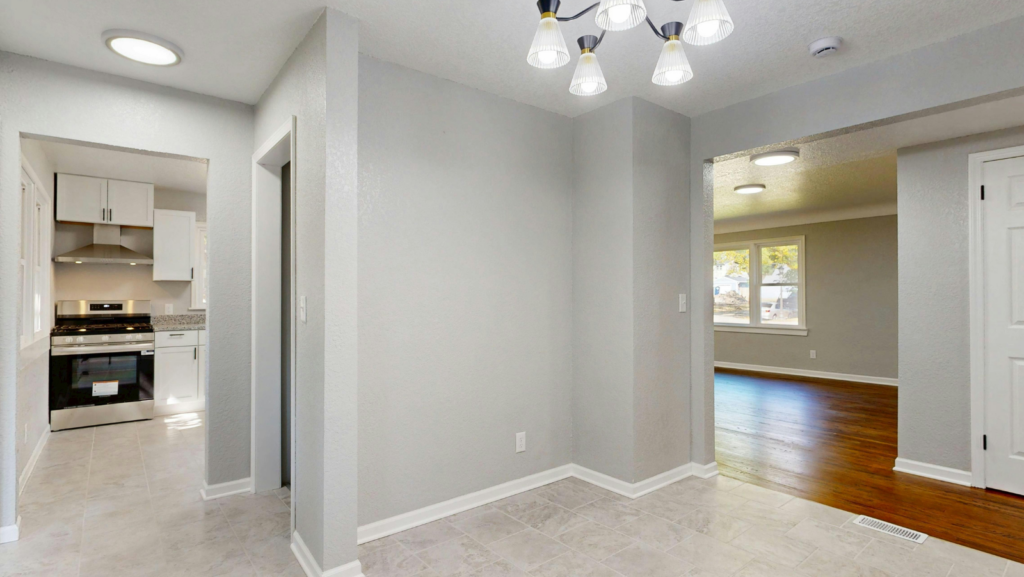
The final walkthrough typically happens within twenty four hours of closing. Its purpose is to confirm the home is in the same condition as when you made your offer and that any agreed upon repairs have been completed.
Walk through every room carefully. Test the appliances, faucets, and fixtures. Check that nothing has been removed that was supposed to stay. Furthermore, verify that the sellers have fully vacated the property if that was part of your agreement. If something is wrong during the final walkthrough, notify your agent immediately. Closing can be delayed or credits can be negotiated if issues are discovered at this stage.
Closing Day

Closing day is when ownership officially transfers to you. The process typically takes one to two hours and happens at the title company.
Bring a valid photo ID and any funds required for closing in the form specified by the title company, usually a cashier’s check or wire transfer. Signing loan documents and the transfer of title completes the paperwork portion. After funds are confirmed, the keys are yours. That is the moment ownership officially transfers to you. For a complete overview of the selling and closing process from the other side of the transaction, From Listing to Closing: Your Comprehensive Guide to Selling a Home walks through every stage in detail.
What to Do If Something Goes Wrong

Not every transaction closes smoothly. Appraisal gaps, inspection findings, financing delays, and title issues all have the potential to complicate the process.
However, most complications are solvable with the right guidance. Staying in close communication with your agent throughout this period is the single most important thing you can do. Your agent has navigated these situations before and knows what options are available at each stage. Additionally, responding quickly to requests from your lender, your agent, and the title company keeps things moving and reduces the risk of delays.

I’m Betsy Rewald with Coldwell Banker Realty in Minnesota, born and raised right here in the Land of 10,000 Lakes! I love helping people find their perfect home, whether it’s their first, their dream upgrade, or the perfect place to downsize.Through my blog, I share tips and ideas for buying and selling, plus insights on great neighborhoods, local events, and ways to make the most of Minnesota living. My goal is to make the home journey fun, stress-free, and full of excitement.Whether you’re new to the area or a lifelong Minnesotan, I’m here to help you feel right at home—and maybe even fall in love with your next move!