

The offer is accepted. You have done the hard part, or so it feels. Then someone mentions the inspection and you realize there is still a whole chapter ahead of you that nobody fully explained. What happens during those two or three hours? What does the inspector actually look at? When the report lands in your inbox the next morning and it is forty pages long, what are you supposed to do with that?
Buying a home in the Twin Cities northeast metro, in communities like Shoreview, Lino Lakes, Blaine, or Hugo, means navigating a process that moves quickly. If you have not been through an inspection in a while, or have never been through one at all, this is worth reading before you get there. Knowing what to expect makes the whole thing a lot less stressful.
What a Home Inspection Actually Is, and What It Is Not

A home inspection is a visual assessment of a home’s condition performed by a licensed inspector. That word “visual” matters. The inspector walks through the home and evaluates what they can see and access. Opening walls, digging up the yard, and running laboratory tests on the water are not part of the job. The inspector conducts a thorough, trained walkthrough and documents what they find.
A home inspection is not a pass/fail test. No grade gets assigned at the end. Instead, the inspector produces a report, sometimes a very long one, describing the condition of the home’s systems and components at the time of the visit. Every home, including brand new construction, will have something on the report. That is not a problem. That is just how houses work.
The inspection typically takes two to three hours depending on the size of the home. A larger older home in a place like North Oaks will likely take longer than a newer townhome in Vadnais Heights. Plan for at least two and a half hours and clear your afternoon if you can.
Should You Be There in Person?

Yes, always, if you can help it. Reading the report later is genuinely not the same as walking through the home while the inspector explains things in real time. When an inspector points to a pipe and says this is a slow drip that has been leaking long enough to stain the wood but it is an easy fix, that lands very differently than reading “evidence of moisture at supply line” on page 22 of a PDF at 9pm.
Attending in person also gives you the chance to ask questions while standing in the space. What does this mean practically? How urgent is it? Can a handyman handle this or does it need a licensed contractor? Good inspectors welcome these questions and most are happy to talk through what they are finding as they go.
Bringing a notebook or using your phone to take notes is a good idea. If something caught your attention during a showing, a crack in the basement wall, a window that seemed stuck, a soft spot in the floor, mention it to the inspector. You are not overstepping by asking them to take a closer look.
What the Inspector Is Actually Looking A
A licensed home inspector in Minnesota follows a defined standards of practice that covers specific systems and components. Here is what they are walking through and what they are looking for in each area.
The Exterior
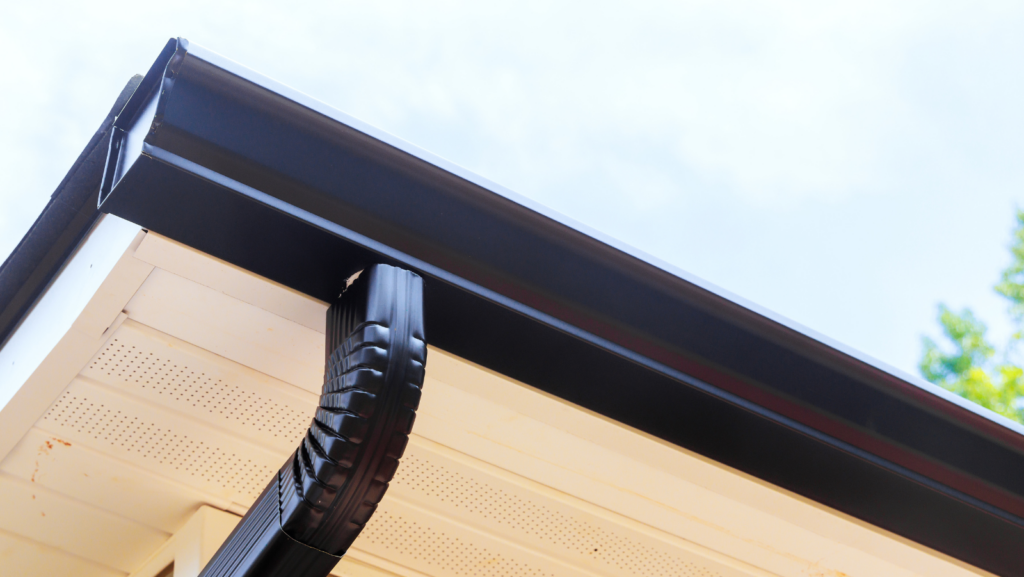
Starting outside, the inspector evaluates the roof, gutters, downspouts, siding, windows, doors, and the foundation. Grading gets particular attention. In Minnesota, freeze-thaw cycles are hard on the ground, and soil that slopes toward the house rather than away from it channels water toward the foundation over time. The chimney, if there is one, along with any visible decking or porches, also gets checked.
The Roof
The inspector may walk the roof or evaluate it from a ladder at the eaves. Shingle condition, estimated age, and flashing around chimneys and vents are all part of this review. Visible damage gets noted. A roof near the end of its useful life is not automatically a dealbreaker. Knowing its condition helps you decide what to ask for.
The Electrical System
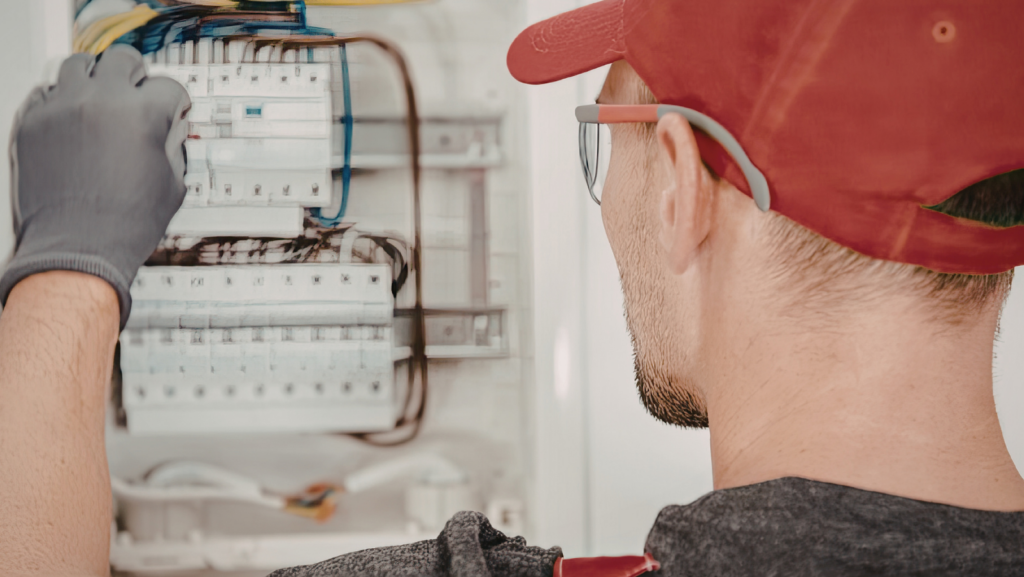
The inspector opens the electrical panel and evaluates the wiring, breakers, and overall setup. Older homes in established neighborhoods like Roseville and Arden Hills sometimes have aluminum branch circuit wiring or knob and tube. Neither is an automatic dealbreaker. Both require evaluation by a licensed electrician. Updates may be needed before an insurer will write a policy. Double-tapped breakers and panels from certain manufacturers are also findings worth taking seriously.
Heating and Cooling
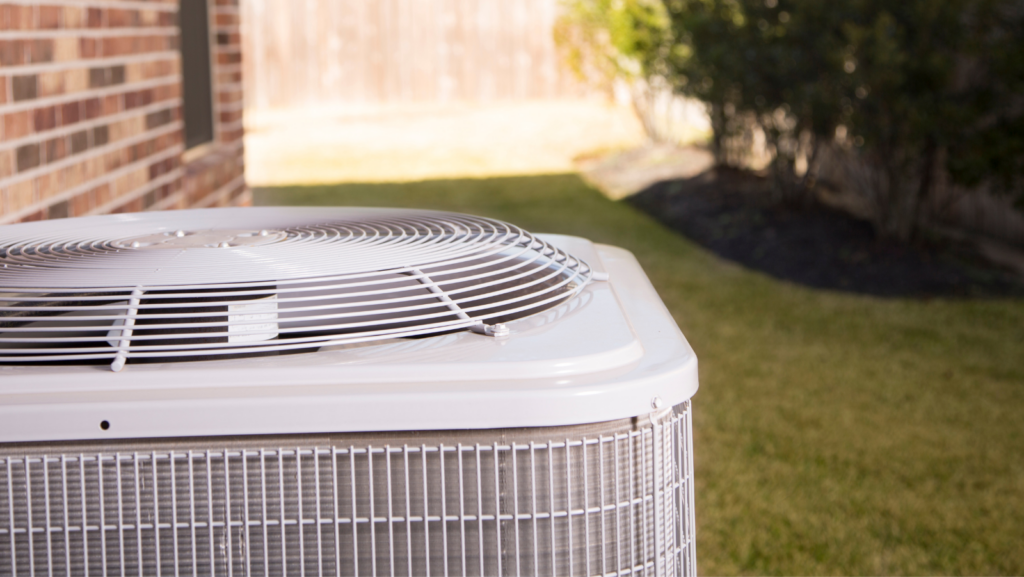
The furnace is a critical system in Minnesota. Inspectors evaluate its age and condition and run it if conditions allow. The flue, heat exchanger, and ductwork all get checked. A cracked heat exchanger is a serious finding because it creates a carbon monoxide risk. Air conditioning gets evaluated when outdoor temps are above 60 degrees. Buying in early spring or late fall may mean the AC evaluation is limited.
The Attic
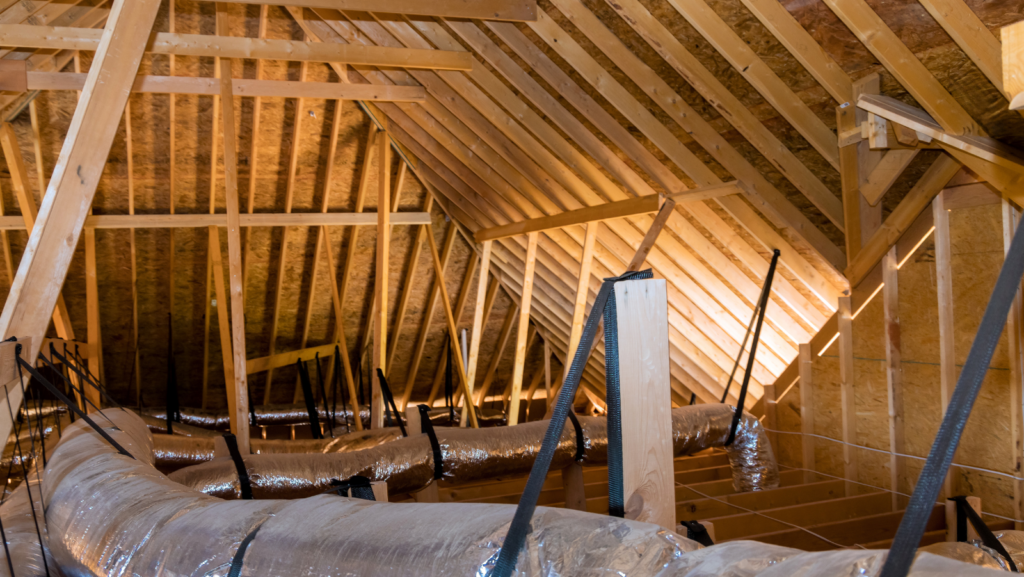
Attics tell a story. The inspector looks at insulation levels, ventilation, and any signs of moisture or mold. Attic moisture problems are common in Minnesota. Bathroom exhaust fans venting into the attic instead of outside are a frequent cause. Inadequate ventilation is another. Findings here range from simple fixes to more involved remediation.
Plumbing
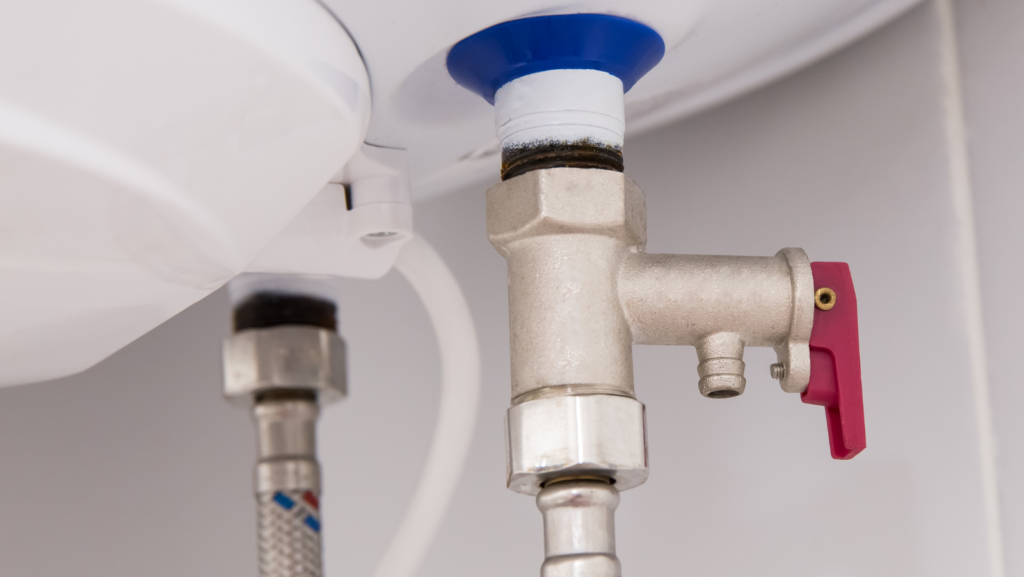
The inspector checks visible supply and drain lines along with water pressure. The age and condition of the water heater gets evaluated. Any signs of leaks or past leaks are documented. Running water at multiple fixtures confirms drains are working. Older homes sometimes have galvanized steel pipes that corrode from the inside over time. Polybutylene piping, common in homes built between the late 1970s and 1990s, is another material some insurers have concerns about.
The Basement and Foundation

Buyers tend to feel most anxious about this part, and inspectors spend significant time here. Foundation walls get checked for cracks, signs of water intrusion, and structural concerns. Not all cracks are equal. Hairline shrinkage cracks in poured concrete are common and often cosmetic. Horizontal cracks in a block foundation or stair-step cracks in brick can indicate more serious lateral movement. The sump pump, if there is one, also gets checked. Water in a basement ranks among the most frequent findings in Minnesota, particularly in older homes or homes where lot drainage is not well managed.
Reading the Report: What Actually Matters

Receiving a forty page report with hundreds of line items and photos of every slightly crooked outlet cover can feel overwhelming. Inspectors document everything because they are required to, and everything includes a lot of minor maintenance items that are completely normal in any lived-in home.
Sorting the report mentally into categories is the most useful approach. Safety issues belong at the top. A cracked heat exchanger, active water intrusion near the electrical panel, a detected gas leak, or a structural concern all fall into this category. Addressing these before closing is essential, and they typically form the basis of any request to the seller.
What to Prioritize After Safety Issues
Deferred maintenance items come next. An aging water heater, a roof with five to seven good years remaining, a furnace running well but approaching the end of its lifespan. These findings matter for planning and budgeting but are often not things a buyer would ask a seller to replace outright.
Everything else, the outlet needing a cover plate, the door that does not latch smoothly, the caulk around the tub due for replacement, represents normal wear in any lived-in home. Not worth losing sleep over.
The goal after reading the report is not to fix every item on it. Identifying what matters, understanding what you are taking on, and making a decision you feel confident about is what the report is actually for.
What Comes After the Inspection

Once you and your agent have reviewed the report together, several options are available. Requesting that the seller make specific repairs before closing is one path. Asking for a credit at closing to handle the work yourself is often the cleaner choice because it lets you select your own contractors and control the quality of the work. Accepting the home as-is makes sense when findings are minor or already reflected in the offer price. Walking away during the inspection contingency period is also an option if the inspection reveals something that genuinely changes how you feel about the home.
Buyers in competitive markets like the northeast metro sometimes feel pressure to keep repair requests minimal to avoid losing the deal. That pressure is real, and working through it carefully with your agent, rather than deciding alone at midnight after reading a long report, leads to better outcomes. The right answer depends on what was found, what the seller’s situation is, and what the home is genuinely worth to you. If you are also navigating multiple offers on the same home, understanding how those situations work before deciding how aggressive to be with requests is worth the time. [How to Win a Multiple Offer Situation When Buying a Home in Minnesota] is a good place to start.
A Few Things Worth Knowing Before You Get There

Minnesota licenses home inspectors through the state, with specific education and experience requirements in place. Asking how long an inspector has been working, how many inspections they complete each year, and whether they have experience with the type and age of home you are buying is completely reasonable. Someone who primarily works with newer construction may approach an older Roseville rambler or a 1970s split-level in Blaine very differently than an inspector who has worked across all home types for decades.
Specialized Inspections to Consider
A standard home inspection does not cover everything. Radon testing, sewer scope inspections, well water testing, and septic system inspections are typically separate. Radon is a genuine concern in Minnesota given the geology of the region, and testing is inexpensive and straightforward. Homes with private wells or septic systems warrant their own inspections by qualified specialists. Your agent can help determine what makes sense for the specific property you are purchasing.
The Inspection Is Information, Not a Verdict

Most buyers finish a home inspection feeling more confident, not less, because the uncertainty is gone. You know what you are buying, what has been maintained, and what lies ahead. That clarity has real value, even when the report includes findings you were not expecting.
Working through an inspection report with your agent before making any decisions is exactly the right move, especially when the inspection window is short. Understanding how to use that window well makes a real difference in how the rest of the transaction goes. For buyers still finding their footing in a competitive market, [Buying a Home in a Seller’s Market in Minnesota: What Actually Works Right Now] covers what is working for buyers right now.

I’m Betsy Rewald with Coldwell Banker Realty in Minnesota, born and raised right here in the Land of 10,000 Lakes! I love helping people find their perfect home, whether it’s their first, their dream upgrade, or the perfect place to downsize.Through my blog, I share tips and ideas for buying and selling, plus insights on great neighborhoods, local events, and ways to make the most of Minnesota living. My goal is to make the home journey fun, stress-free, and full of excitement.Whether you’re new to the area or a lifelong Minnesotan, I’m here to help you feel right at home—and maybe even fall in love with your next move!