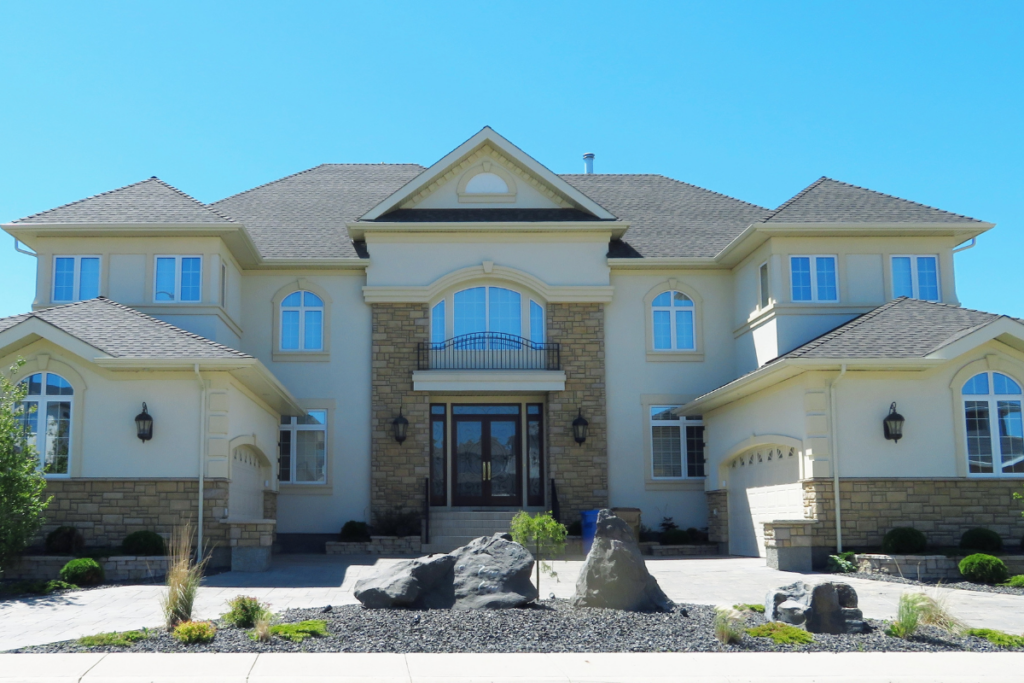
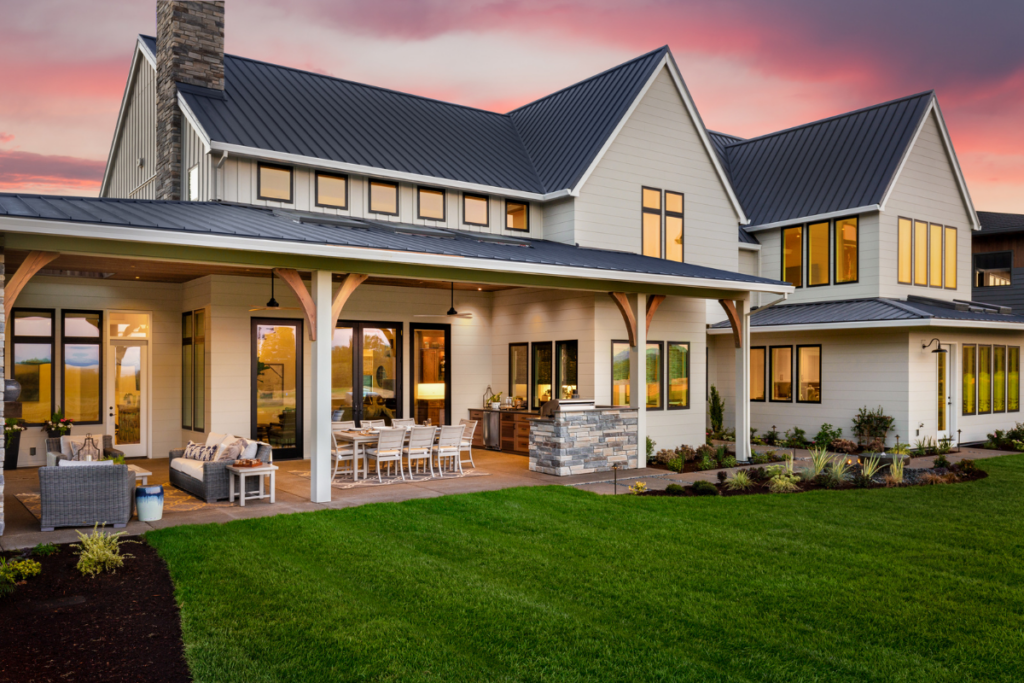
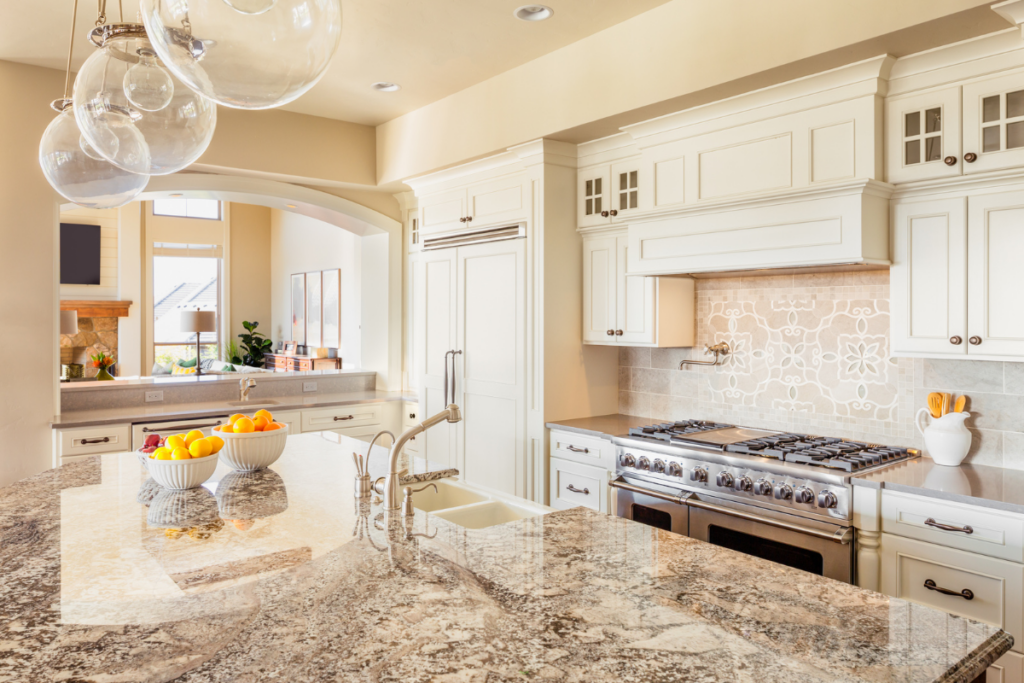
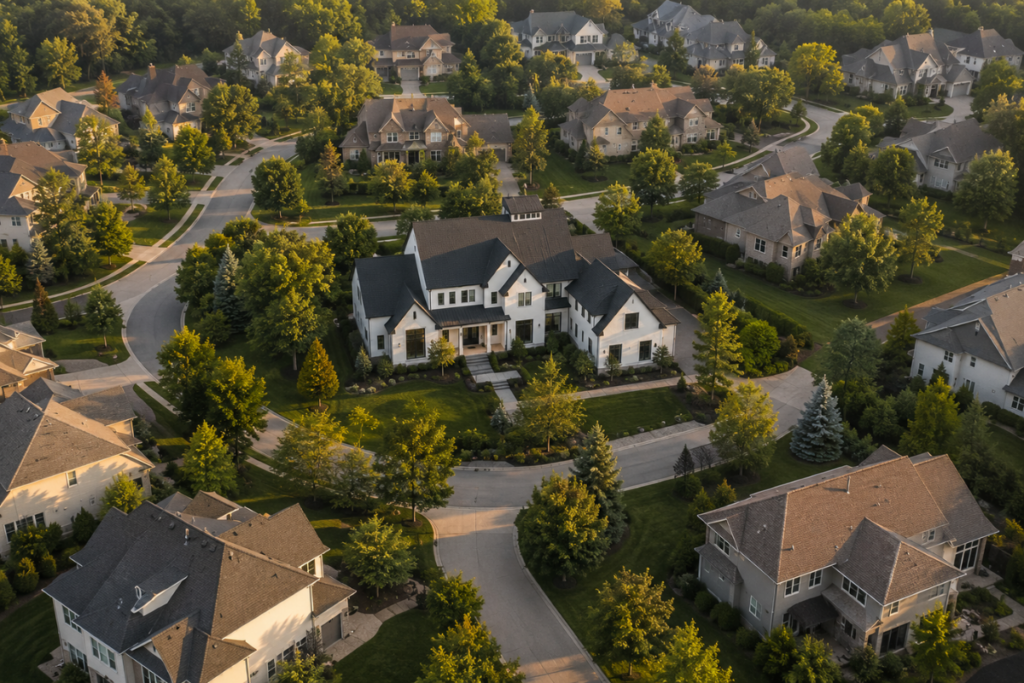
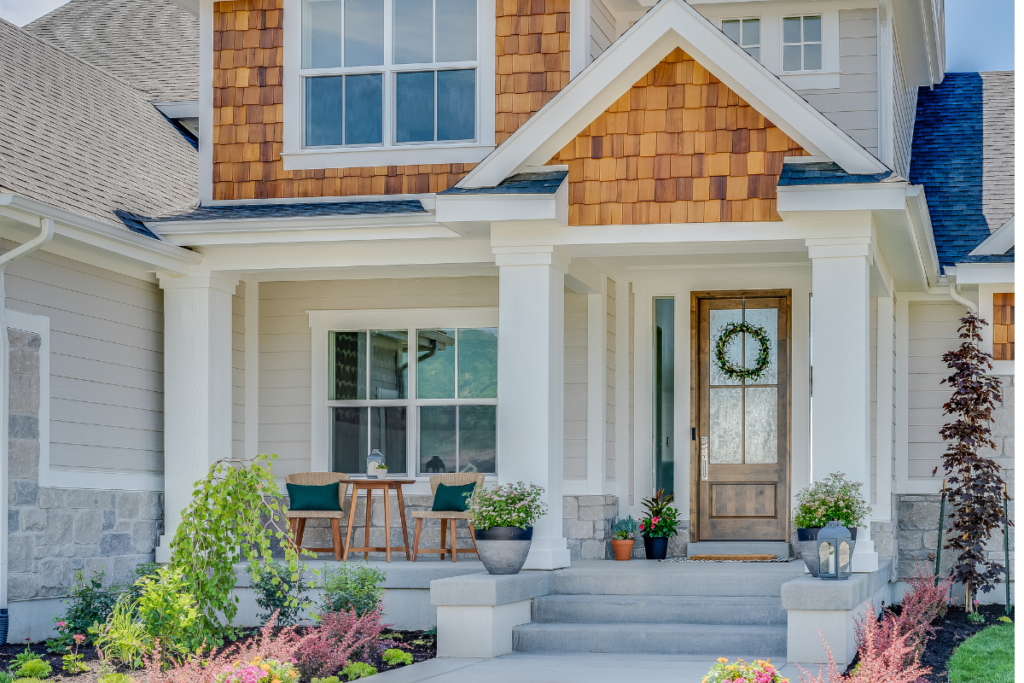
Buying the biggest house in the neighborhood might sound like a smart move. After all, more square footage, extra bedrooms, and larger living spaces are appealing to many buyers.
However, the biggest home on the block isn’t always the best investment.
Before making an offer, it’s important to think beyond the home’s size and consider how it fits into the neighborhood, your budget, and your long-term plans. While square footage matters, it isn’t the only thing that determines whether a home is a good fit.Why Some Homes Feel Bigger Than They Really Areexplains why layout, natural light, and thoughtful design often have a bigger impact on how a home feels every day.
Why Buyers Are Drawn to the Biggest House
It’s easy to understand why buyers are attracted to the largest home in the neighborhood.
More space often means larger bedrooms, extra bathrooms, a bigger kitchen, dedicated home offices, and room for hobbies or visiting family members. Many buyers also picture themselves staying in the home for years, making the extra space feel like a smart long-term investment.
Sometimes buying the biggest house makes perfect sense.
The key is understanding both the advantages and the potential drawbacks before you make an offer.
The Upside of Buying the Biggest Home
There are certainly benefits to owning the largest home on the block.
A bigger home often provides flexibility as your needs change over time. You may have room for aging parents, adult children returning home, grandchildren visiting for the holidays, or a dedicated office if you work remotely.
Many empty nesters are also choosing larger homes because they entertain more, host family gatherings, or want extra space for hobbies and overnight guests.
If the home is priced appropriately and located in a desirable neighborhood with strong demand, it may also hold its value well over time.
Buying more home than you currently need isn’t automatically a bad decision if it fits both your lifestyle and your budget.
When Buying the Biggest House Can Hurt Resale Value
This is where buyers should slow down.
The biggest house in the neighborhood is often compared with smaller homes when it’s time to sell. If your home is significantly larger or more expensive than surrounding properties, buyers may question why they should pay more when similar homes nearby cost less.
Real estate professionals sometimes refer to this as being over-improved for the neighborhood.
That doesn’t mean you should avoid the largest home, but it does mean you should understand how it compares to nearby properties before making an offer. What to Ask at a Showing That Most Buyers Never Think to Askcan help you evaluate a home beyond its appearance and ask questions that may affect its long-term value.
Property Taxes, Insurance, and Maintenance Add Up
Larger homes almost always come with larger expenses.
Beyond the purchase price, you’ll likely pay more for:
Property taxes
Homeowners insurance
Heating and cooling
Roof replacement
Exterior maintenance
Landscaping
Flooring
Interior painting
Furniture
Even routine cleaning and maintenance require more time and money in a larger home.
Before buying the biggest house in the neighborhood, make sure you’re comfortable with the long-term costs, not just the monthly mortgage payment.
Will You Be the Most Expensive Home on the Block?
One question every buyer should ask is whether the home will become the highest-priced property in the neighborhood.
If surrounding homes continue appreciating at a similar pace, this may not be a concern.
However, if your home is already well above neighboring values, future appreciation can sometimes be slower because there are fewer comparable sales supporting a higher price.
Every market is different, which is why it’s helpful to review neighborhood sales before making a final decision.
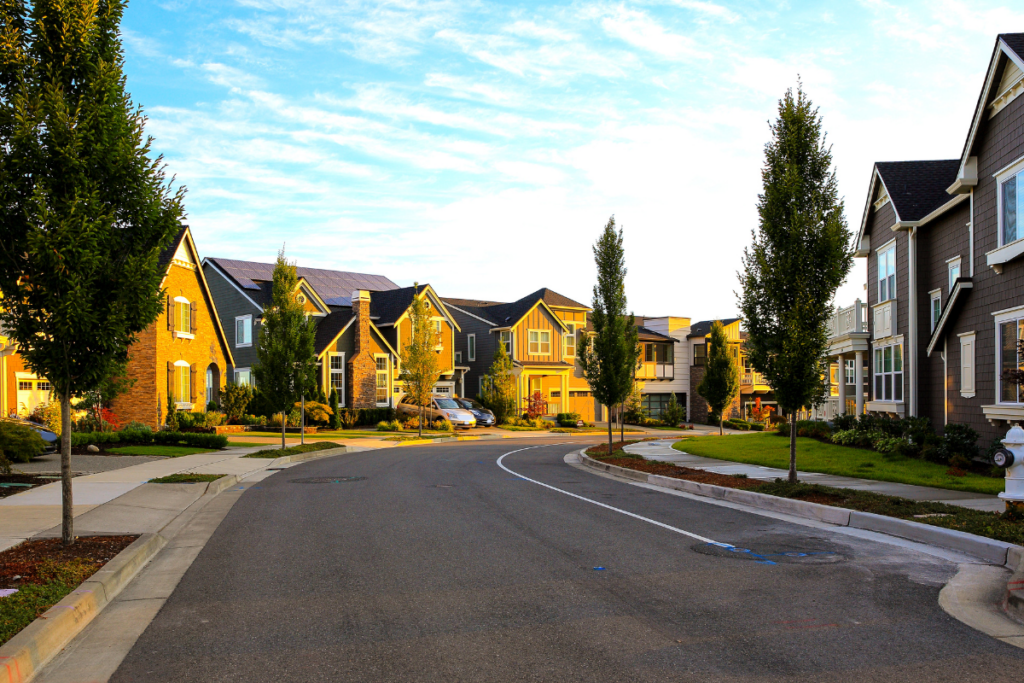
Think About the Neighborhood's Future
Neighborhoods change over time.
Before buying the biggest house in the neighborhood, consider what the area may look like five or ten years from now.
Ask yourself:
Are new homes being built nearby?
Are property values increasing?
Is the area attracting new businesses?
Are schools improving?
Are homes selling quickly?
A growing neighborhood often supports long-term value much better than one that has remained stagnant for years.
Should You Buy the Biggest House in the Neighborhood?
There isn’t one right answer.
For some buyers, purchasing the biggest house in the neighborhood provides the space, flexibility, and lifestyle they’ve always wanted.
For others, a slightly smaller home in the same neighborhood may offer a better balance between affordability, resale potential, and long-term expenses.
Instead of focusing only on square footage, think about how the home fits your budget, your future plans, and the surrounding neighborhood.
The right home isn’t always the biggest one. It’s the one that supports the way you want to live today while continuing to meet your needs in the years ahead.
If you’re buying or selling a home in Minnesota, Betsy can help you evaluate more than just square footage. She’ll help you find a home that fits your lifestyle, your goals, and your future.
I’m Betsy Rewald with Coldwell Banker Realty in Minnesota, born and raised right here in the Land of 10,000 Lakes! I love helping people find their perfect home, whether it’s their first, their dream upgrade, or the perfect place to downsize.
Through my blog, I share tips and ideas for buying and selling, plus insights on great neighborhoods, local events, and ways to make the most of Minnesota living. My goal is to make the home journey fun, stress-free, and full of excitement.
Whether you’re new to the area or a lifelong Minnesotan, I’m here to help you feel right at home—and maybe even fall in love with your next move!
Blog Categories
Home Search Tools
Recent Posts
We use cookies to ensure that we give you the best experience on our website. If you continue to use this site we will assume that you are ok with this.