
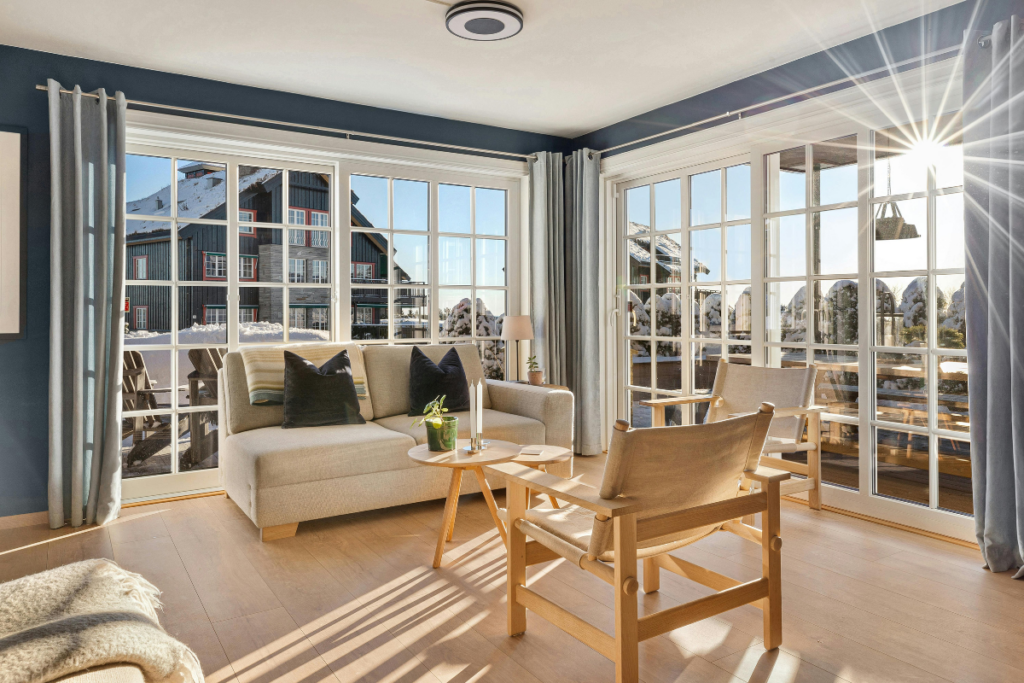
Why do some homes feel bigger than they really are, even when the square footage is almost the same?
Many buyers are surprised to discover that two homes with nearly identical square footage can feel completely different the moment they walk inside. One feels bright, open, and comfortable. The other feels smaller than expected.
The difference usually comes down to layout, natural light, ceiling height, storage, and how the home flows from one room to the next. Understanding why some homes feel bigger than they really are can help you look beyond the numbers and choose a home that truly fits your lifestyle.
An Open Floor Plan Isn’t Everything
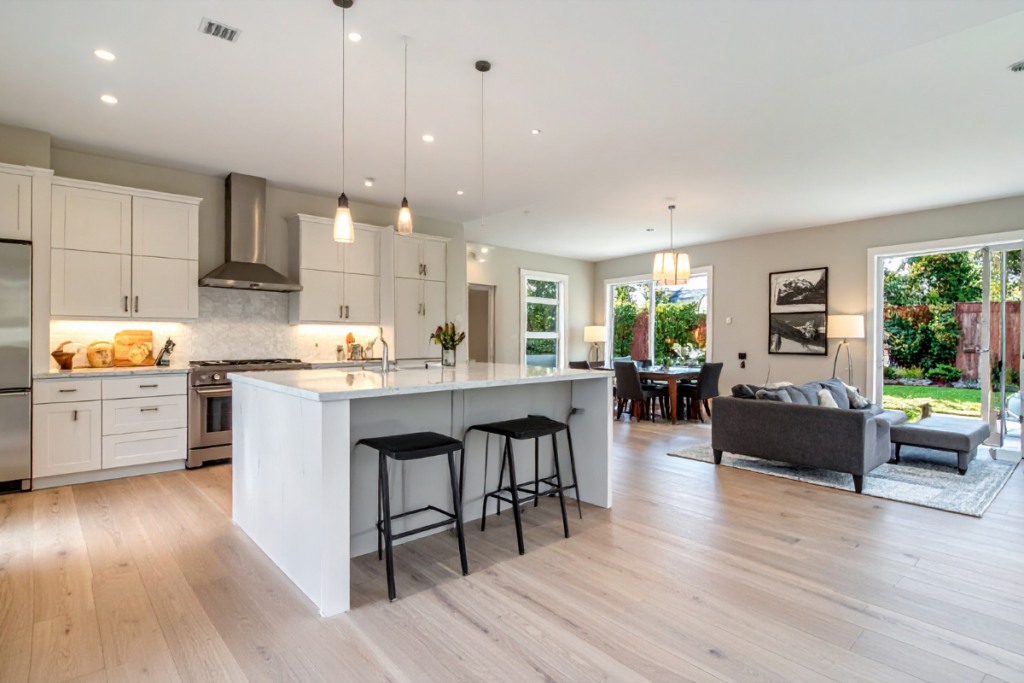
Many buyers assume an open floor plan automatically makes a home feel bigger.
Sometimes it does. However, an open floor plan without enough definition can simply create one large room that feels less functional.
A well-designed home gives each area a purpose while still allowing the spaces to flow naturally together.
As you walk through a home, pay attention to how easily you move from room to room. A layout that feels comfortable and intuitive often makes a home feel larger than one with long hallways or awkward walls.
If you are preparing to tour homes, be sure to read What to Ask at a Showing That Most Buyers Never Think to Ask before your next visit.
Natural Light Changes Everything
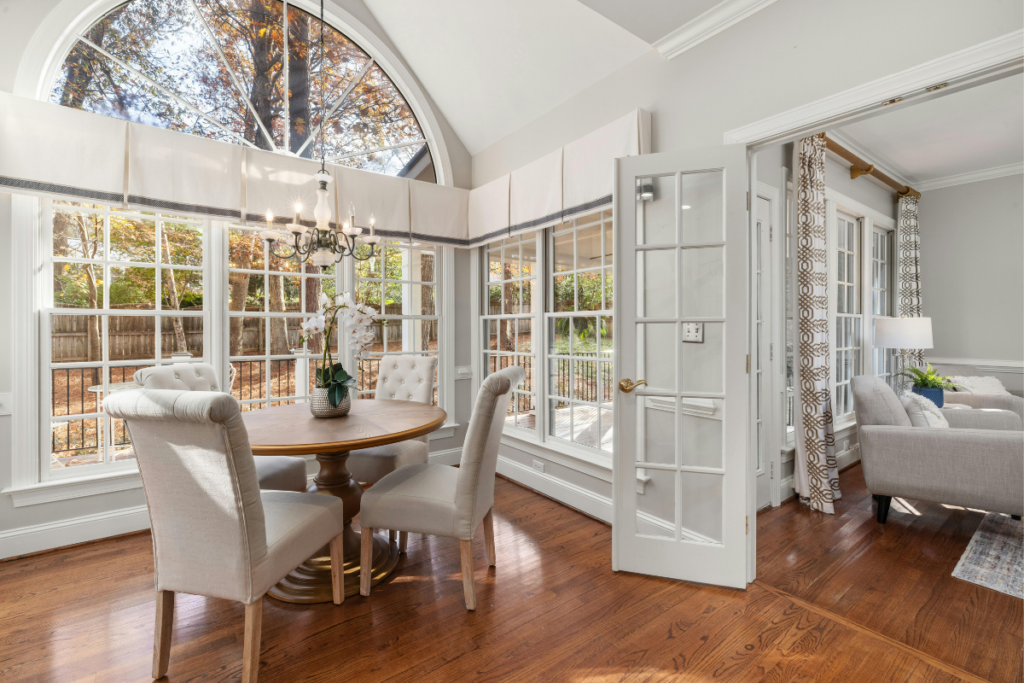
Natural light is one of the biggest reasons some homes feel bigger than they really are.
Large windows, higher ceilings, and bright rooms create a sense of openness that square footage alone cannot provide.
In fact, a smaller home filled with natural light often feels much larger than a bigger home with dark rooms and limited windows.
As you tour homes, notice how much daylight each room receives throughout the day. Bright spaces almost always feel more welcoming.
Ceiling Height Makes a Difference
Most buyers spend their time looking at the floor plan.
Instead, remember to look up.
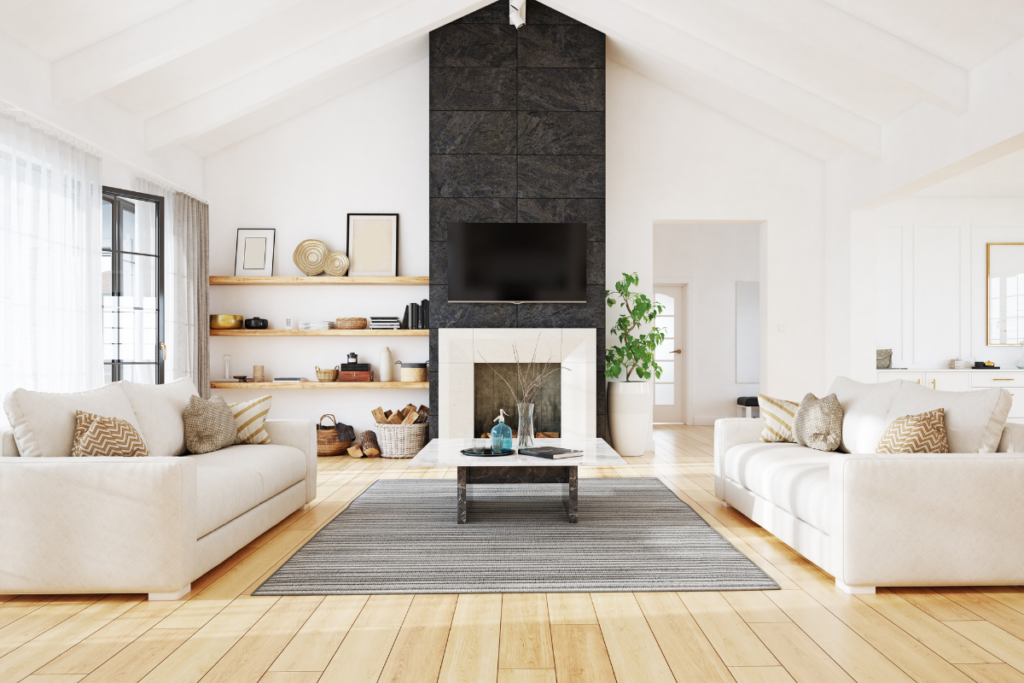
Higher ceilings naturally create more visual space, even when the home’s footprint stays exactly the same.
Vaulted ceilings, tray ceilings, and exposed beams can all make a room feel larger without adding a single square foot.
Storage Matters More Than Extra Space
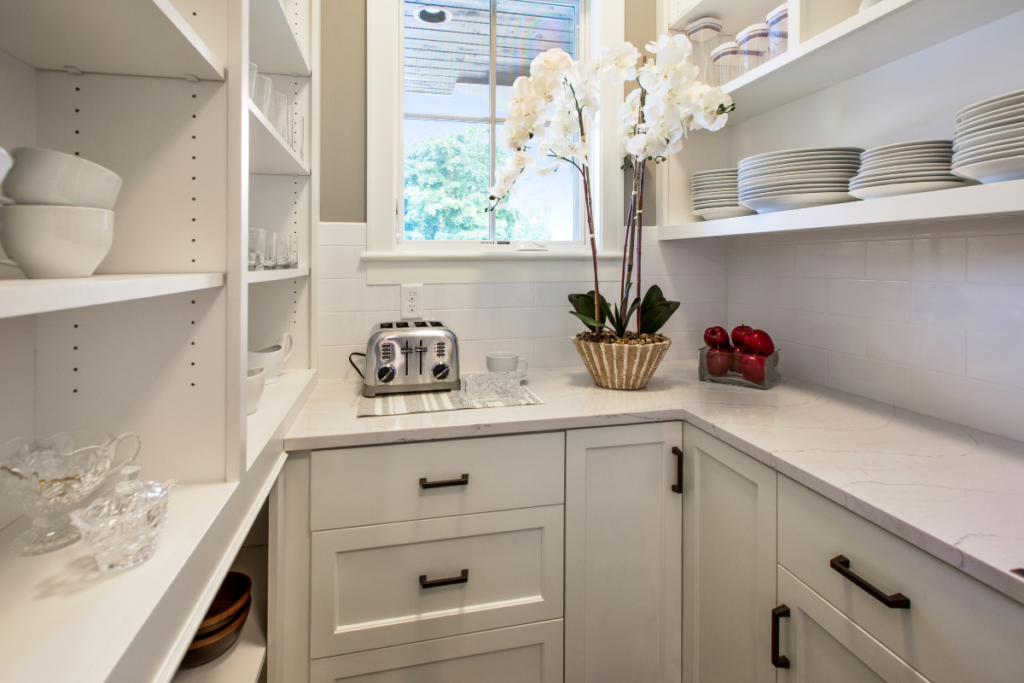
Thoughtful storage can completely change how spacious a home feels.
Walk-in pantries, linen closets, mudrooms, built-in shelving, and organized laundry rooms reduce everyday clutter and make each room feel more open.
Because everything has a place, a smaller home with excellent storage often feels larger than a bigger home with very little storage.
If you have been looking at homes, you may also enjoy Small Laundry Room Ideas That Actually Work, which shows how smart storage can completely change the way a space functions.
Furniture Placement Can Fool Your Eye
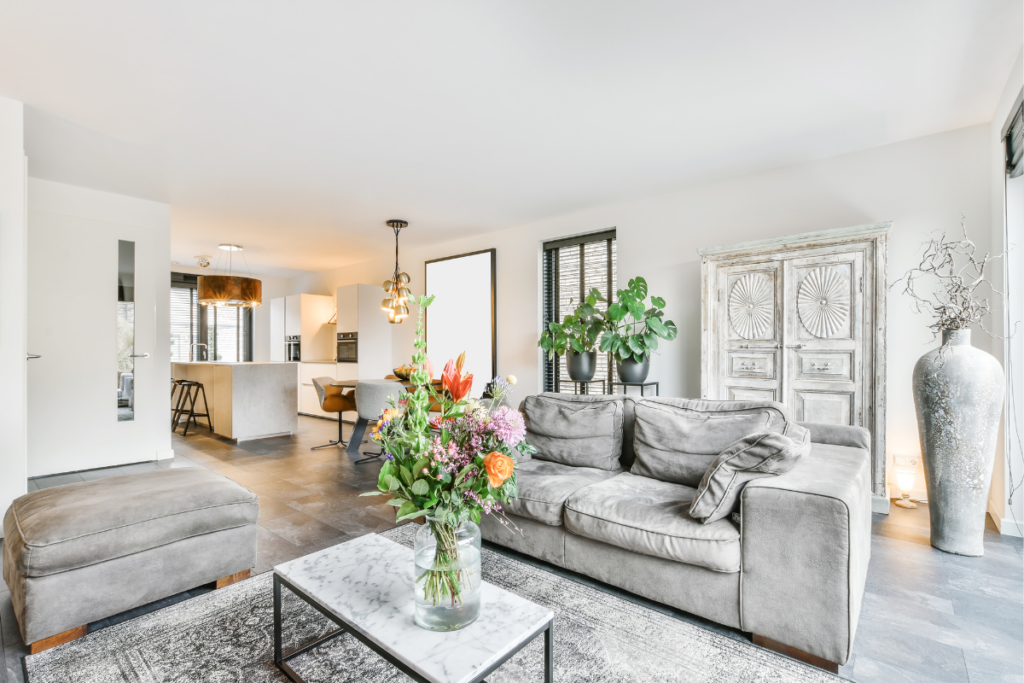
Furniture has a bigger impact than many buyers realize.
Oversized sectionals, bulky bedroom furniture, and large dining tables can make a perfectly comfortable room appear much smaller.
Instead of focusing on the current furniture, imagine the room empty. Picture where your own furniture would fit and think about how you would actually use the space.
Doing this makes it much easier to judge the room instead of the decorating choices.
Layout Is More Important Than Square Footage
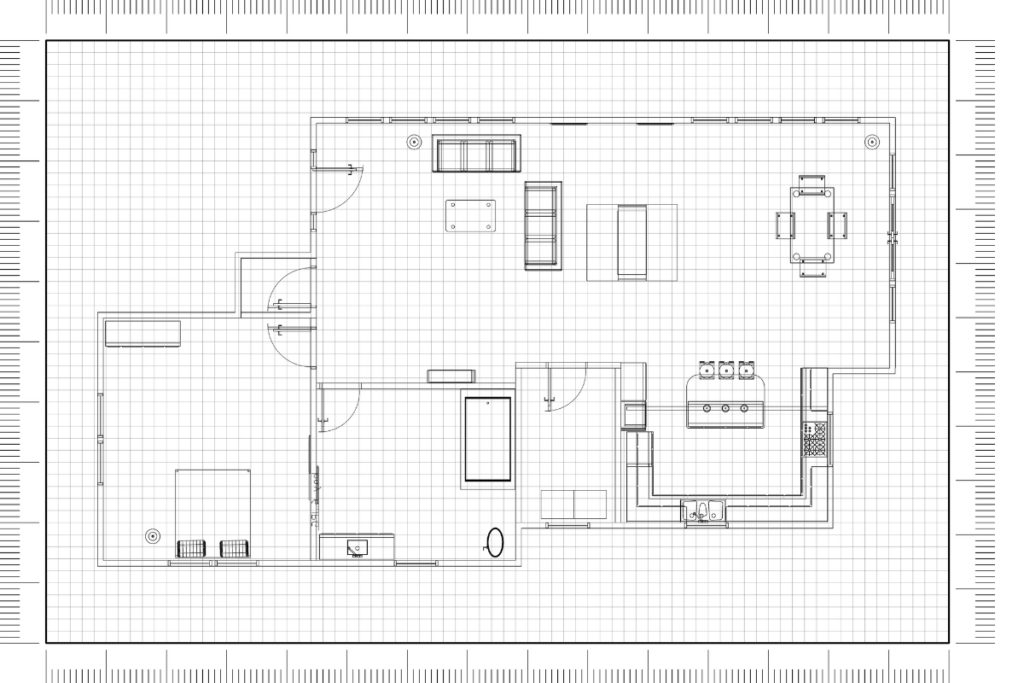
This is one of the biggest surprises for buyers.
A well-designed 1,700-square-foot home may feel significantly larger than a poorly designed 2,100-square-foot home.
Unused formal living rooms, oversized hallways, awkward corners, and wasted space all add square footage without making the home more functional.
Instead of asking how big the home is, ask yourself whether the layout fits the way you actually live. That answer is often much more important than the total square footage.
Don’t Judge a Home by the Number
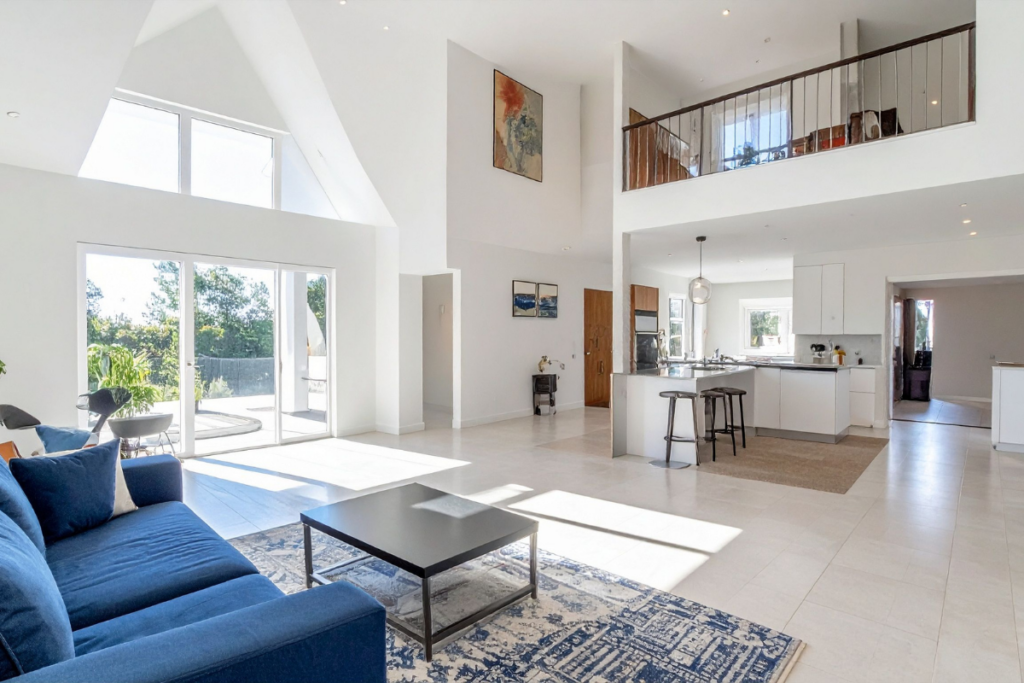
Square footage is important, but it should never be the only thing you consider.
The layout, natural light, ceiling height, storage, and overall flow often have a much bigger impact on how a home feels every day.
If you are searching for a home in Minnesota, focus on how the home functions instead of simply comparing square footage. The right layout may give you everything you need without paying for space you will rarely use.
If you are getting ready to make an offer, What Happens Between Offer Accepted and Closing Day explains what comes next after you find the right home.
If you are buying or selling in Minnesota, Betsy can help you look beyond the numbers and find a home that truly fits your lifestyle.

I’m Betsy Rewald with Coldwell Banker Realty in Minnesota, born and raised right here in the Land of 10,000 Lakes! I love helping people find their perfect home, whether it’s their first, their dream upgrade, or the perfect place to downsize.Through my blog, I share tips and ideas for buying and selling, plus insights on great neighborhoods, local events, and ways to make the most of Minnesota living. My goal is to make the home journey fun, stress-free, and full of excitement.Whether you’re new to the area or a lifelong Minnesotan, I’m here to help you feel right at home—and maybe even fall in love with your next move!