Everyone assumes the next move after the kids leave is a smaller one.
Less square footage. Less maintenance. Less of everything.
But for some empty nesters, the next move is actually bigger.
Not because they suddenly need more rooms to fill, but because they are thinking differently about what home needs to do for the next stage of life.
Multi-generational living is changing the way some Minnesota homeowners think about their next move. Instead of only asking how much space they can get rid of, families are asking how a home can work better for everyone.
The Equity Advantage That Changes the Math
Many homeowners who have lived in their homes for ten, fifteen, or twenty years have built significant equity.
At the same time, many younger buyers are facing a very different housing market. Higher prices, changing interest rates, and limited inventory have made buying a first home more challenging.
For some families, combining resources changes the conversation.
Instead of parents downsizing into a smaller home while their adult children struggle to enter the market, some families are looking for one property that can support two households.
The parents get a home that fits their next chapter.
Their adult children get a stronger start.
Everyone has the opportunity to share expenses while still creating a home that works for daily life.
What Makes a Home Actually Work for Two Households
A bigger house alone does not automatically create successful multi-generational living.
The layout matters more than the square footage.
The homes that work best usually have spaces that give each generation privacy and independence.
Features buyers often look for include:
primary suites on different levels
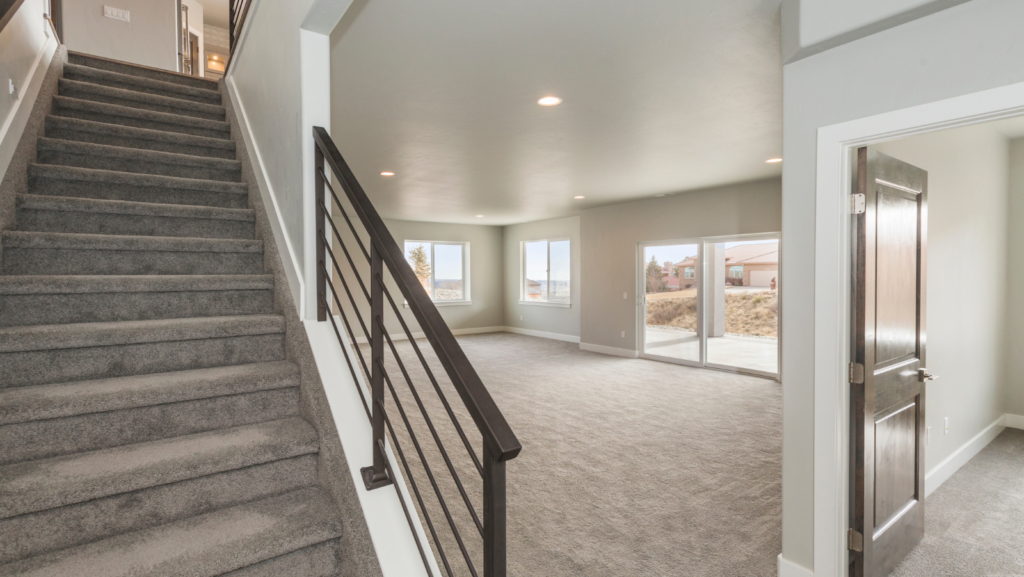
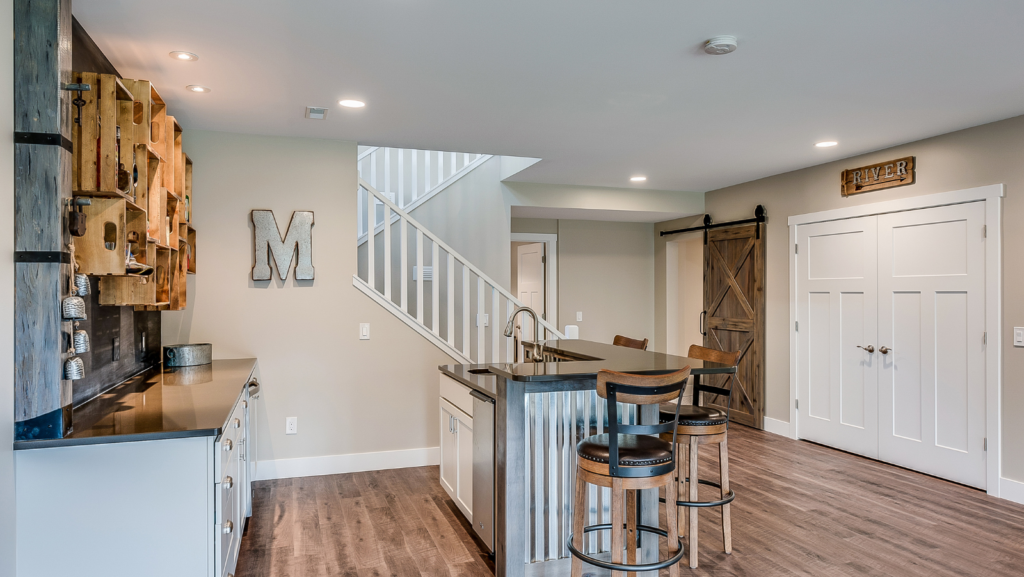
finished walkout lower levels
separate entrances
additional living areas
accessory dwelling units when allowed
flexible spaces that can change over time
The goal is not simply having more bedrooms.
The goal is creating a home where two households can live together without feeling like they gave up their own space.
This Is Not the Same as Moving In Together
There is a big difference between choosing a home designed for multi-generational living and simply moving everyone into the same house.
The details matter.
Separate living areas, privacy, storage, and everyday routines all affect whether the arrangement works long term.
When the home supports independence, families often get the best parts of living close while still having room to breathe.
If the setup feels forced, it can quickly become frustrating.
The better question is not:
“Is this house big enough?”
The better question is:
“Can two households actually live well here?”
What to Look for in Minnesota
The Twin Cities area has a variety of homes that can work for multi-generational living.
Some families look for walkout ramblers with finished lower levels. Others want newer homes with flexible layouts, guest suites, or separate living areas.
In some communities, larger lots may create additional options depending on local rules and zoning.
This type of home search is different from a traditional move. A house may have plenty of square footage but still not function well for multiple generations.
It helps to know what features matter before you start looking.
If you are thinking about what your next chapter looks like, Downsizing Isn’t About Less — It’s About Easier is a helpful reminder that the goal is not always owning less. The goal is finding a home that fits your life now.
And sometimes the moment you realize things need to change starts in the home you already have. The Day You Realize You Are Living in Half Your House talks about recognizing when your current space no longer matches the way you live.
Betsy helps Minnesota families navigate moves that are not always traditional. Whether that means downsizing, moving closer to family, or finding a home that works for multiple generations, having the right guidance makes the process easier.
Blog Categories
Home Search Tools
Recent Posts
We use cookies to ensure that we give you the best experience on our website. If you continue to use this site we will assume that you are ok with this.