
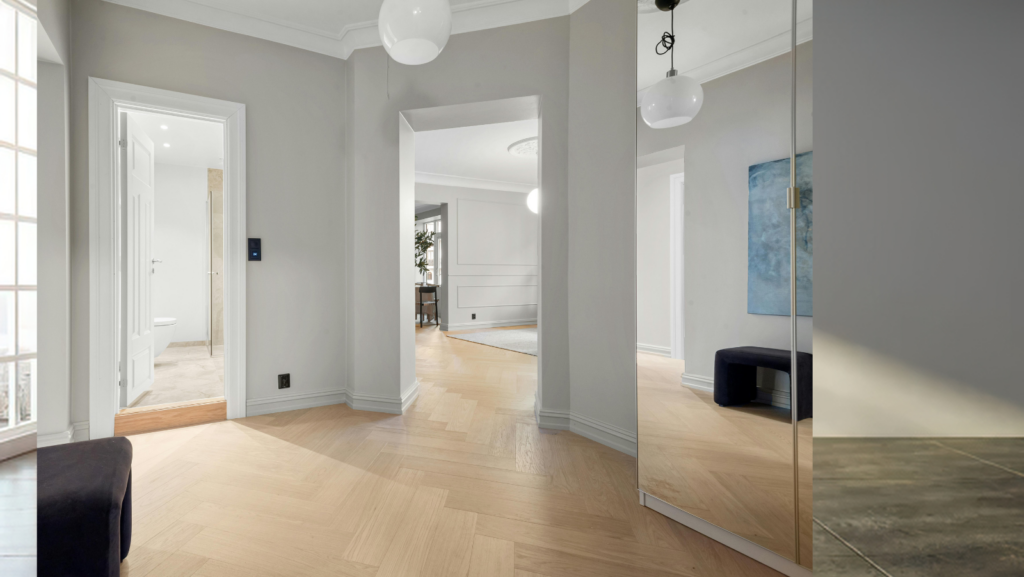
There is a moment that does not feel dramatic when it happens. There is no big announcement, no carefully made plan, and no obvious turning point. Instead, it comes as a quiet realization, almost offhand, that you are not really living in your whole house anymore. You are living in part of it, and everything else has slowly faded into the background.
The Rooms That Slowly Close Off

This shift usually happens so gradually that you barely notice it at first. A bedroom upstairs stops getting used, and then another one follows. The formal dining room sits empty except for holidays that no longer look the way they used to, and the basement slowly fills with boxes instead of people.
At the time, none of it feels significant. But eventually, you realize you are walking past more rooms than you actually use, and that has been true for longer than you want to admit.
You Start Living in a Pattern
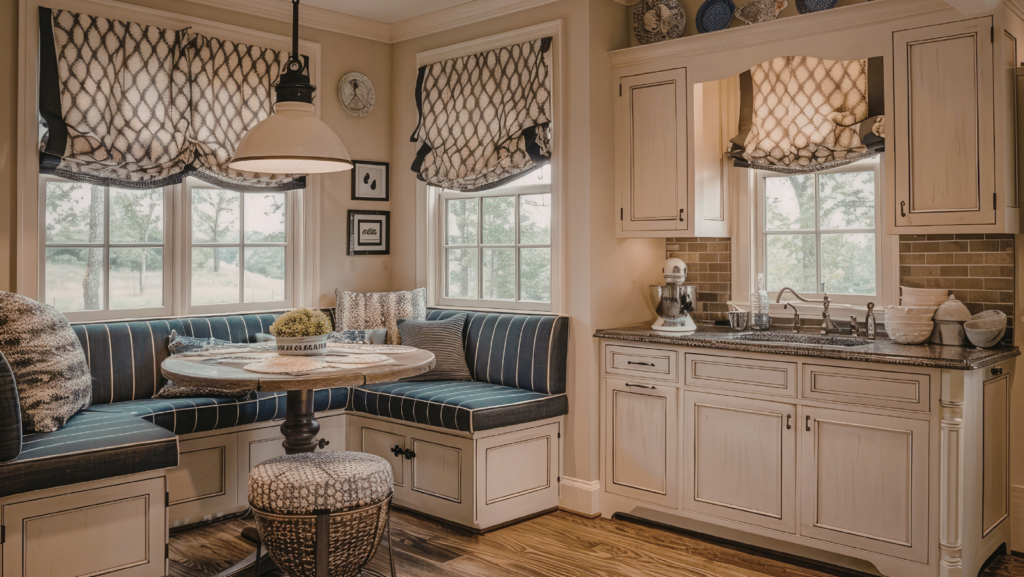
Most days begin and end in the same small loop, moving between the kitchen, one chair, one bathroom, and one bedroom. Everything else becomes something you move around rather than something you truly live in.
You may still clean those extra rooms, and you still heat them and maintain them, but if you are honest with yourself, you are not really living in them anymore. They have quietly become part of the house you manage rather than part of the life you are actively living.
The House Has Not Changed, But Your Life Has
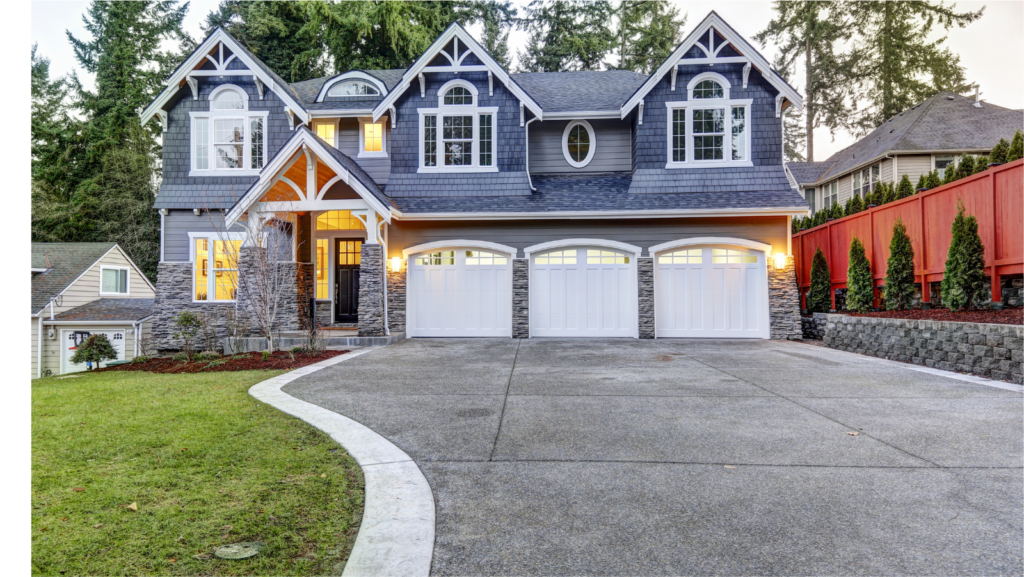
This is the part that does not always get talked about. There is nothing wrong with your home. It is still a good house, still full of memories, and still exactly what you once needed.
The house is not the problem. Your life has simply changed.
Kids grow up and move out, schedules shift, and energy changes over time. The things that once made a large home feel full and purposeful begin to feel different when those reasons are no longer there. What once fit your life perfectly no longer reflects the way you actually live day to day.
When Space Becomes Work Instead of Comfort
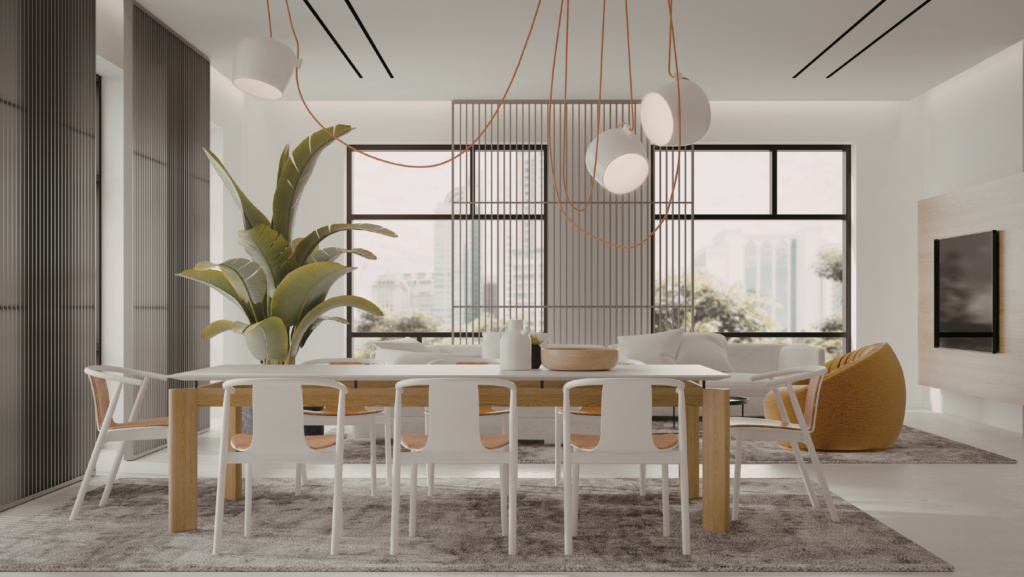
At a certain point, extra space stops feeling like a blessing and starts feeling like responsibility. There are more rooms to clean, more to maintain, and more square footage to heat, cool, and repair.
Even if you never say it out loud, you can feel the weight of it. It is not overwhelming in a dramatic way, but it shows up as a steady, underlying sense of unnecessary work. The house begins to ask more of you than it gives back, and somewhere along the way, that balance quietly shifts.
Where People Get Stuck

The thought that follows this realization is often a difficult one. If you do not need this space anymore, what does that say?
This is not just a question about square footage. It touches identity, tradition, and the version of your life that once filled those rooms.
That is why so many people stay right where they are, even when the house no longer fits. If that hesitation feels familiar, The Biggest Downsizing Fears and How to Address Them is worth a read. Moving forward means letting go of something, and that is never a small thing, even when the practical reasons for change are clear.
What Happens When You Pay Attention to That Feeling
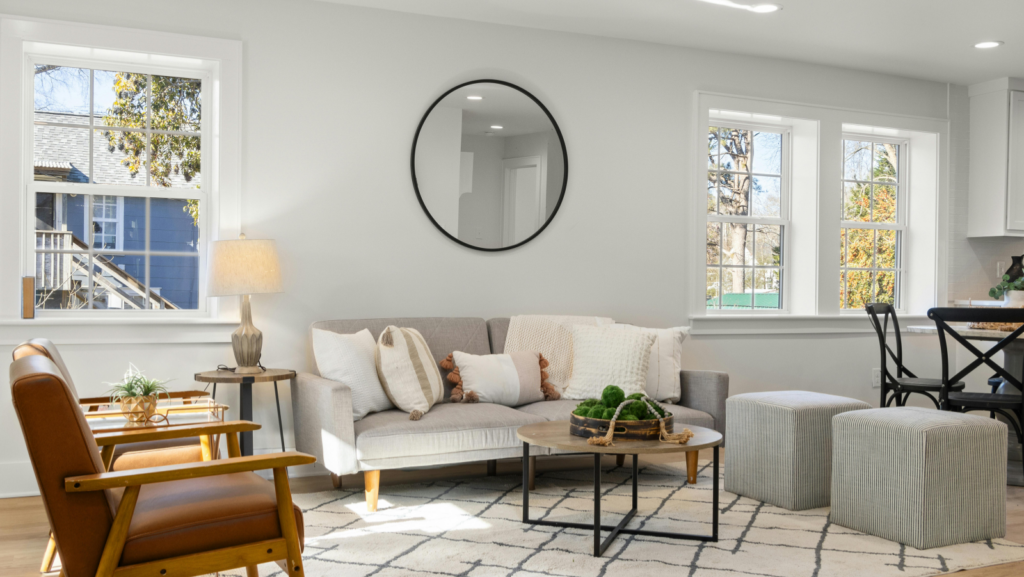
For many people, nothing changes right away after that first quiet realization, but they begin to notice more. They notice which rooms they never enter, how much time goes into maintaining space that does not support their daily life, and how much lighter things might feel with less to manage.
As that awareness builds, it helps to think ahead about what the process actually involves. What People Regret Keeping When They Downsize is a good place to begin thinking through those decisions before they are directly in front of you.
Over time, the idea of something different starts to feel less like a loss and more like a possibility. That shift does not happen all at once, but it grows steadily.
Downsizing Does Not Start With a Decision

Downsizing rarely starts with a decision. It usually begins with awareness, noticing the shift, recognizing the pattern, and quietly admitting that your home no longer fits the way it once did.
That awareness does not mean you need to make a move tomorrow, this year, or on any particular timeline. It simply means you are paying attention, and every good decision starts there.
A Different Way to Think About It
Downsizing is not about giving something up. It is about aligning your home with the way you actually live now.
Sometimes that means less square footage. Sometimes it means a different layout or a neighborhood that better fits your life. And sometimes it simply means letting go of the parts of your home that no longer serve you.
Before you move too far into planning, it helps to understand where people often go wrong. Things That Seem Like a Good Idea When Downsizing (But Usually Aren’t) covers the missteps that tend to catch people off guard.
Not because your house failed you, but because your life moved forward, and that is a good thing.
If You Have Had That Moment

If you have ever walked through your home and realized you are only truly living in part of it, you are not behind, and you are not late to a decision you should have made years ago.
You are exactly where you need to be.
At this point, things are starting to become clear, and clarity is a powerful place to begin.