
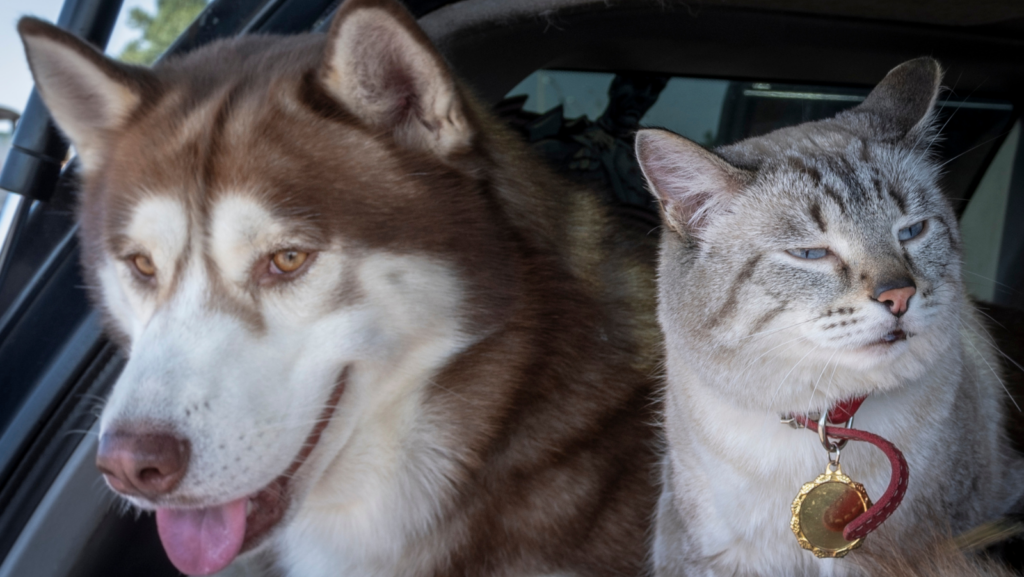
Moving to a new home is a big transition — and when you’re relocating with pets, there’s even more to think about. Whether you’re moving across town or from another state, planning ahead can make the process smoother for both you and your animals.
Pets thrive on routine and familiar environments. A move disrupts both, which can lead to stress, anxiety, and behavioral changes. The good news is that with the right preparation, you can help your pets adjust safely and comfortably to their new home.
Start With the Right Location
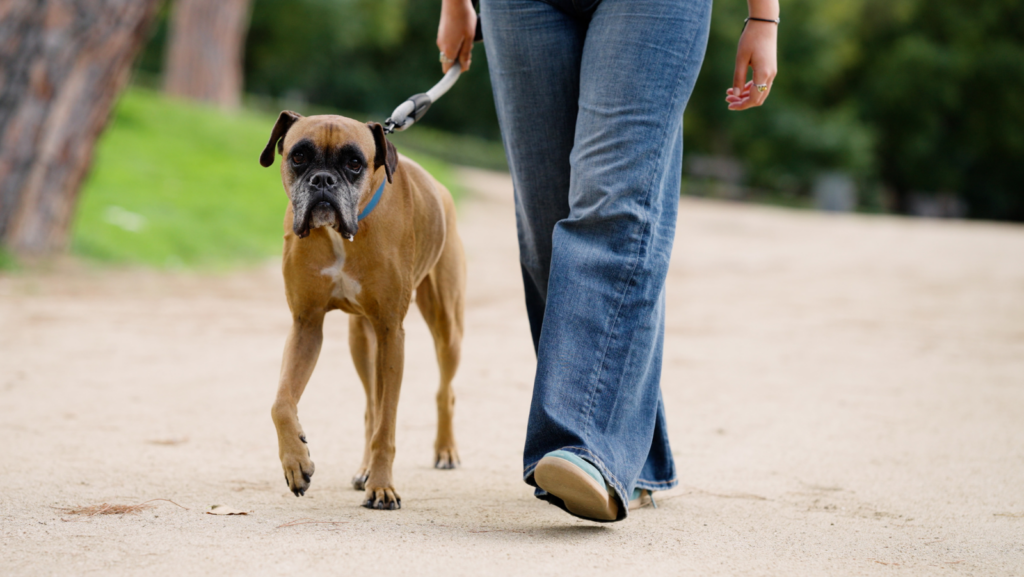
Before you even pack a box, think about how your new location will work for your pet.
Look for neighborhoods with:
- Safe walking areas and sidewalks
- Nearby parks or trails
- Access to veterinary clinics and emergency care
- Pet-friendly community rules (especially for HOAs or townhomes)
If you’re moving to a new state like Minnesota, consider how the climate will affect your pet. Long winters, snow, and cold temperatures can change daily routines, especially for dogs that need regular exercise.
Choose a Pet-Friendly Home
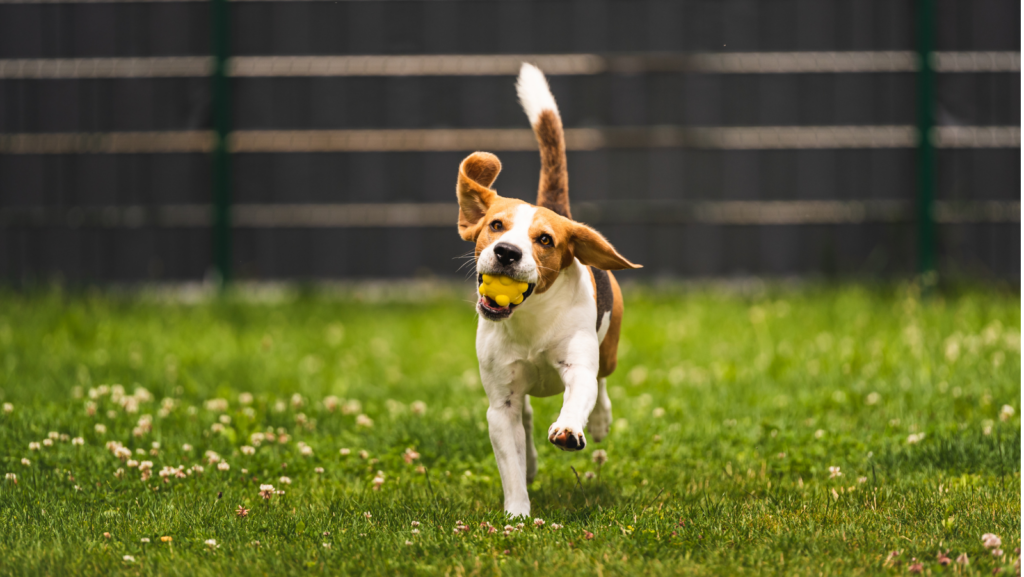
Not all homes are equally suited for pets. When buying or renting, consider features that will make life easier:
- Fenced yard or secure outdoor space
- Durable flooring (especially for dogs)
- Space for crates, beds, or litter boxes
- Mudroom or entry space for cleaning paws
- Safe storage for food and supplies
These details may seem small, but they make a big difference in daily life after the move.
Schedule a Vet Visit Before You Move
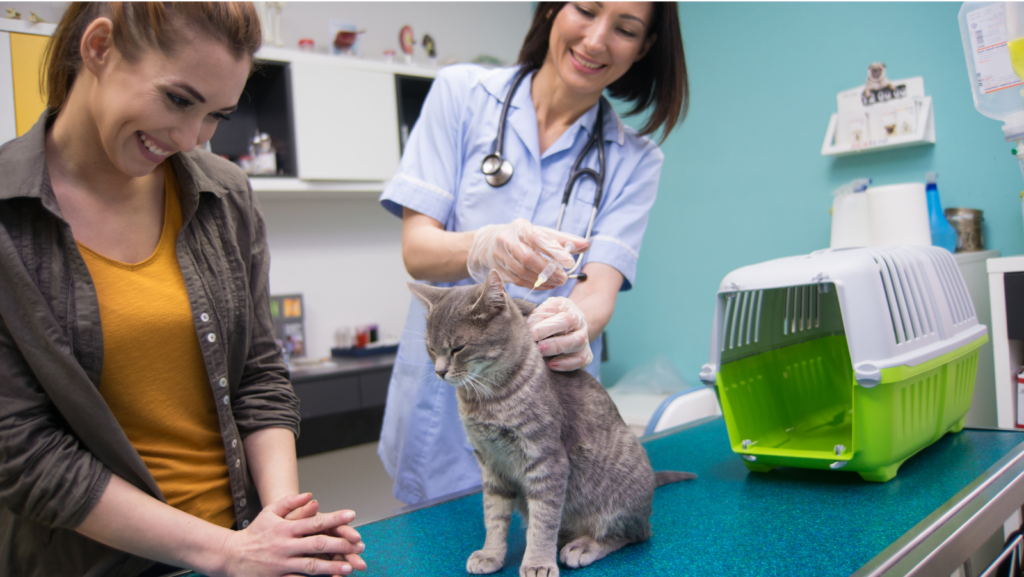
Before relocating, schedule a check-up with your current veterinarian.
Ask for:
- Updated vaccinations
- Copies of medical records
- Recommendations for transferring care
- Any necessary medications for travel
If you’re moving across state lines, check for specific requirements such as rabies certificates or health documentation.
Plan for Safe Travel
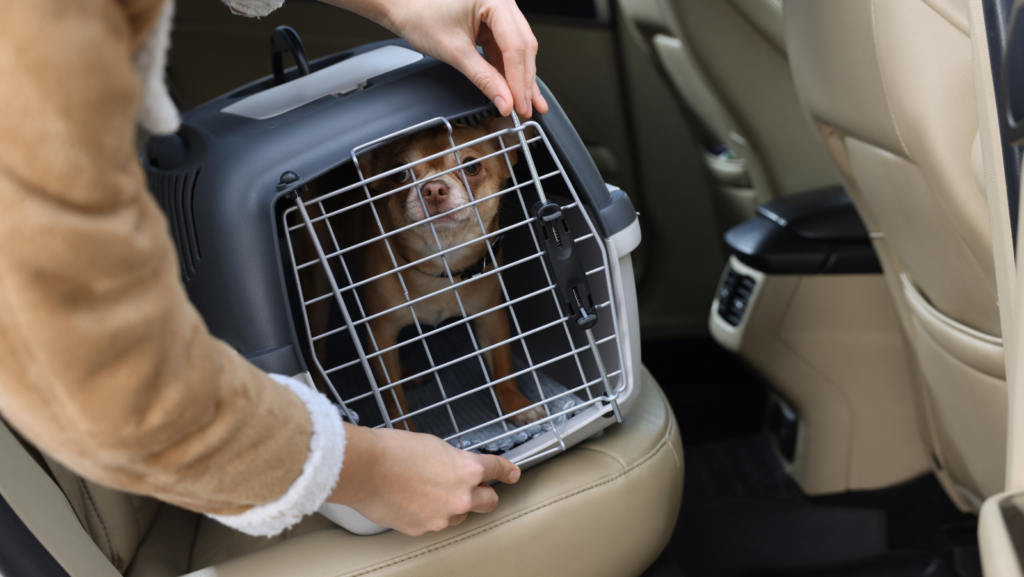
Travel day is one of the most stressful parts of a move for pets. A little planning goes a long way.
For safe travel:
- Use a secure crate or carrier
- Keep pets restrained in the car (never loose)
- Pack food, water, and familiar items
- Take regular breaks for dogs
- Avoid feeding right before travel if your pet gets motion sickness
If you’re flying, check airline pet policies well in advance and make reservations early.
Prepare a Pet Moving Kit
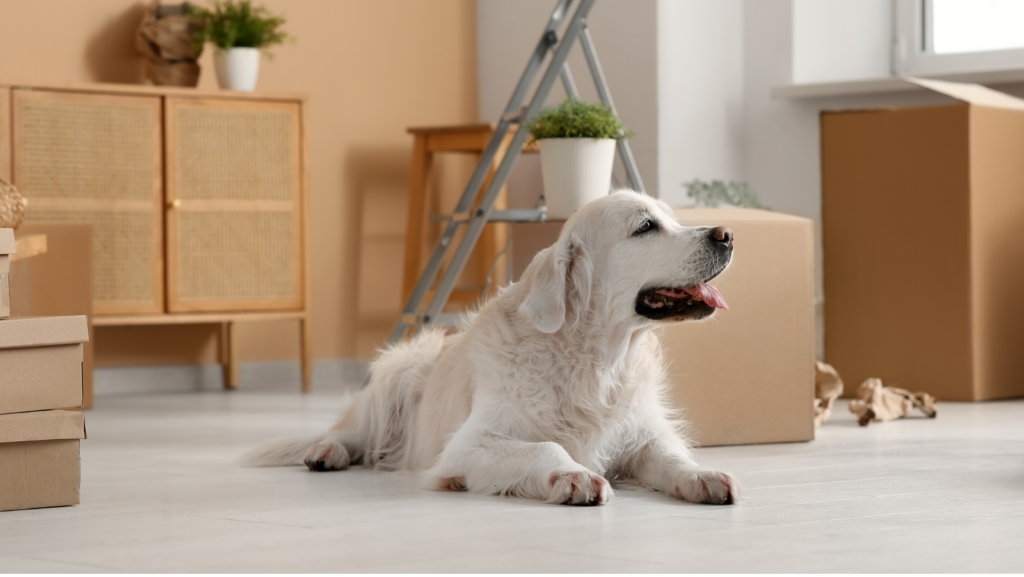
Keep all your pet’s essentials in one easy-to-access bag.
Include:
- Food and water
- Bowls
- Leash or harness
- Waste bags or litter supplies
- Medications
- Favorite toy or blanket
Having these items on hand prevents unnecessary stress during moving day chaos.
Keep Pets Safe on Moving Day
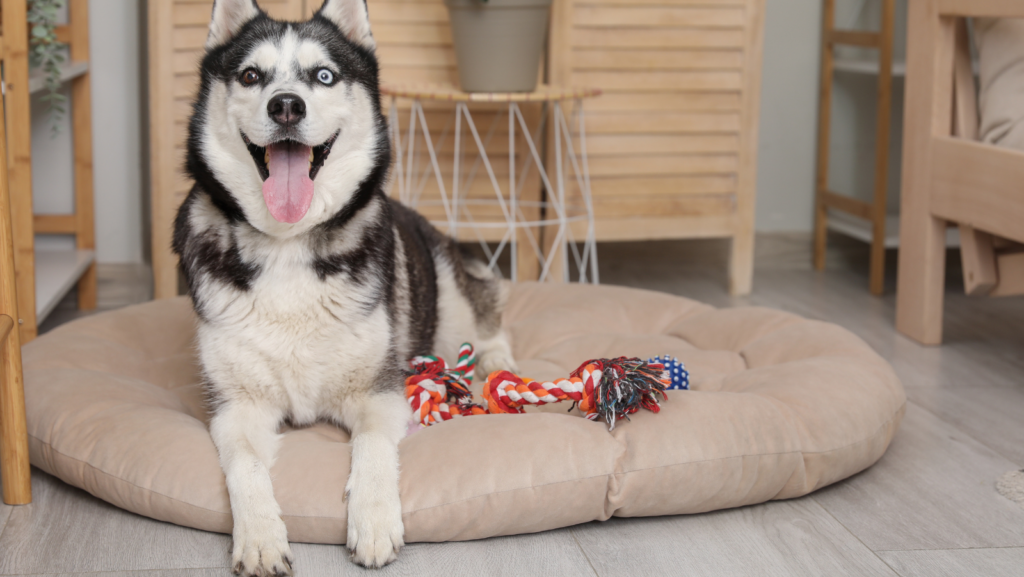
Moving day is busy, loud, and full of open doors — which can be dangerous for pets.
To keep them safe:
- Place pets in a quiet, secure room
- Use a crate if needed
- Ask a friend or family member to watch them
- Consider boarding for the day if things are hectic
This prevents escapes and reduces anxiety during the busiest part of the move.
Help Your Pet Adjust to the New Home

Once you arrive, your pet will need time to adjust to unfamiliar surroundings.
Start by:
- Setting up a familiar space with their bed and toys
- Keeping feeding and walking routines consistent
- Introducing new areas gradually
- Supervising outdoor time until they’re comfortable
It’s normal for pets to act differently at first. Give them time, and most will settle in within a few weeks.
Update Identification and Microchips
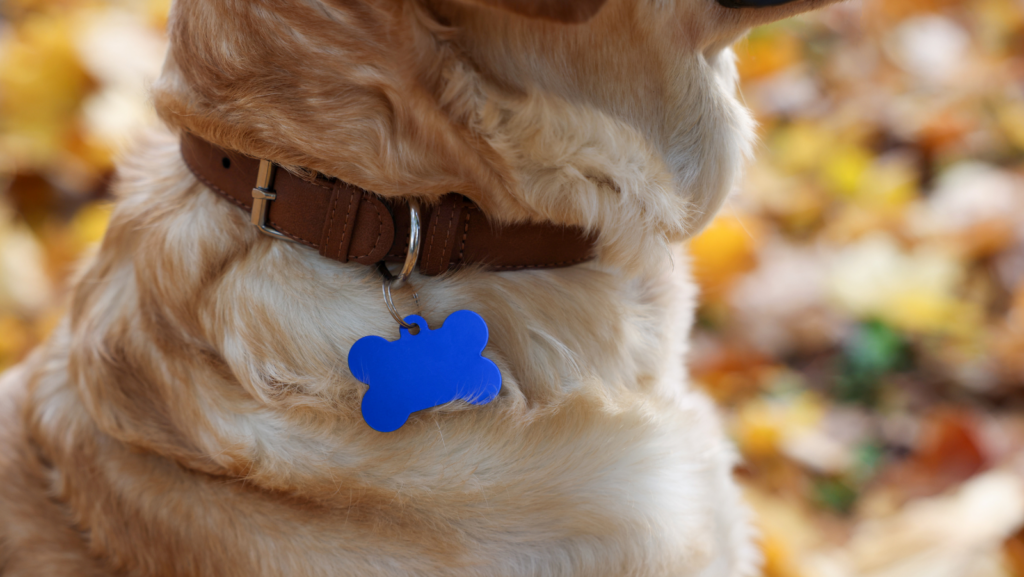
After your move, update your pet’s information right away.
Make sure:
- ID tags reflect your new address and phone number
- Microchip information is current
- Local licensing requirements are completed
This is one of the most important steps to ensure your pet can be returned safely if they get lost.
Find a New Veterinarian and Pet Services
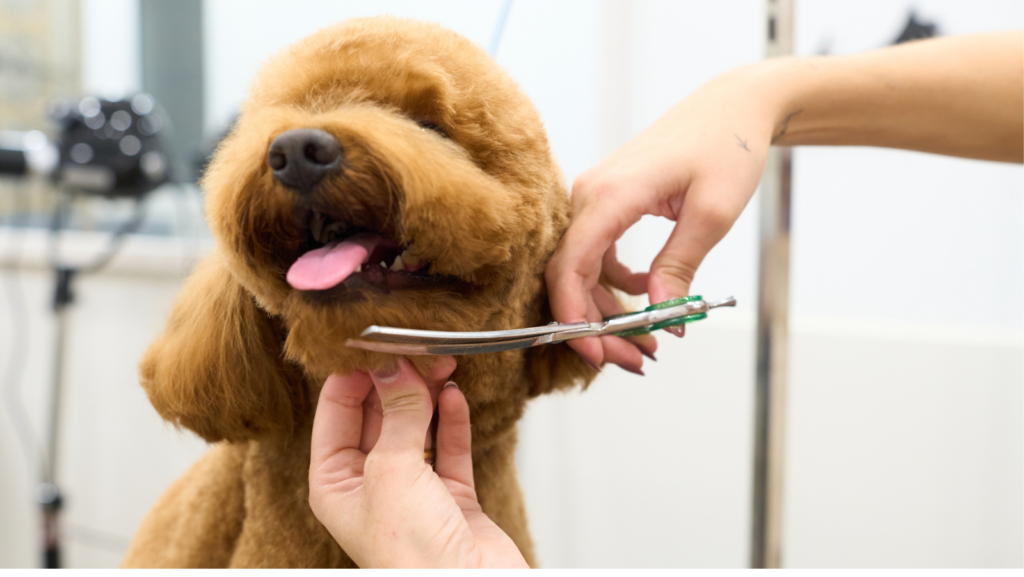
Don’t wait until you need care to find a new provider.
Research:
- Local veterinarians
- Emergency animal hospitals
- Groomers and boarding facilities
- Pet supply stores
Establishing care early gives you peace of mind and helps your pet transition smoothly.
Final Thoughts
Relocating with pets takes extra planning, but it’s absolutely manageable with the right approach. By thinking ahead, choosing a pet-friendly home, and maintaining routines, you can make the move easier for both you and your animals.
If you’re relocating to the Twin Cities or surrounding areas, working with a local real estate expert can help you find a home and neighborhood that fits your entire household — pets included.