

For many seniors preparing to downsize, one question comes up quickly: should you sell your home as-is or fix it first?
After decades in the same house, it’s normal for a property to need updates or maintenance. The challenge is deciding whether it makes sense to fix those things before listing the home or simply sell it as-is.
The right choice depends on the condition of the home, the local market, and the seller’s goals.
Before starting major repairs, it can help to understand what selling as-is actually means.
What Selling a Home “As-Is” Means

When a home is sold as-is, the seller is stating that they do not plan to make repairs before closing.
Buyers can still schedule inspections. However, the expectation is that the property is being sold in its current condition.
For many seniors, selling as-is can simplify the process. Preparing a home for sale is already a big step during downsizing, and adding renovation projects can quickly become overwhelming.
If the downsizing process itself already feels stressful, you are not alone. Many homeowners experience the same challenge when preparing for a move.
You can read more about that in Why Downsizing Feels Overwhelming (And Where Seniors Get Stuck).
When Selling As-Is May Make Sense
In some situations, selling as-is can be the most practical option.
This approach may work well when:
- the home needs significant repairs
• managing renovation projects feels physically difficult
• the seller prefers a quicker sale
• buyers in the area are comfortable updating homes themselves
Many buyers today are willing to purchase homes that need cosmetic updates, especially when the price reflects the condition of the property.
Small Repairs That May Be Worth Doing
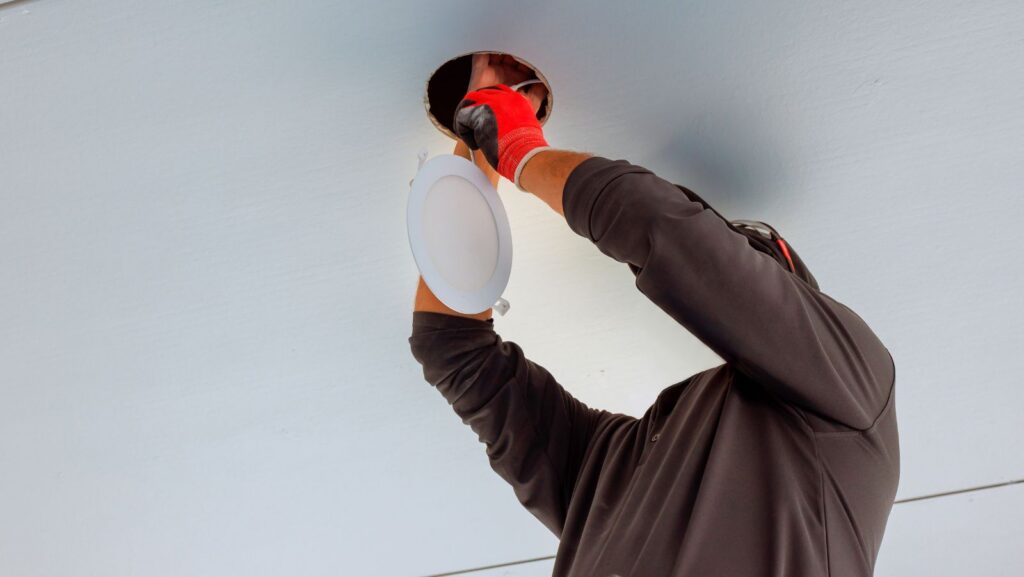
Not every repair project is necessary before selling.
However, a few small improvements can help a home show better to buyers.
Examples include:
- fixing minor plumbing issues
• replacing broken light fixtures
• patching and repainting damaged walls
• cleaning carpets or flooring
• improving basic lighting in darker rooms
These updates help a home feel maintained without requiring a large investment.
Repairs That Rarely Pay Off
Major renovation projects are usually not necessary before selling.
In many cases, these projects cost more than the value they add.
Examples include:
- full kitchen remodels
• complete bathroom renovations
• replacing appliances that still work
• large landscaping redesigns
Most buyers prefer to make these design choices themselves after they move in.
Pricing Matters When Selling As-Is
When a home is listed as-is, pricing becomes especially important.
Buyers understand that some repairs may be needed. They will factor those costs into the price they are willing to offer.
A home that is priced realistically for its condition can still attract strong interest from buyers.
For many homeowners, downsizing decisions are also tied to timing. Waiting too long to sell can sometimes create additional challenges, which is something I discuss in The Hidden Costs of Waiting Too Long to Downsize.
Preparing for the Downsizing Process

Selling the home is only one part of downsizing.
Another major step is sorting through years of belongings and deciding what to keep, donate, or pass on to family members.
If you are starting that process, you may find this guide helpful:
What to Do With a Lifetime of Stuff: A Practical Guide for Downsizing.
Having a clear plan can make the entire transition much easier.
Final Thoughts

Every home and every situation is different. Some homes benefit from a few simple improvements, while others sell just fine in their current condition.
For many seniors, the goal is not to create a perfect home for buyers. The goal is to make the transition to the next stage of life as smooth and manageable as possible.
Taking a thoughtful, realistic approach to repairs can help make that move easier