
The name makes people uncomfortable.
“Swedish Death Cleaning” sounds dramatic — even morbid.
However, it’s one of the most practical approaches to downsizing I’ve seen.
For many seniors and families, Swedish Death Cleaning makes the transition calmer and far less overwhelming.
If you’re new here, I’ve written a full series on downsizing. It covers how to start, how to talk with family, and how to reduce stress during a move.
You can visit the full Downsizing Series here.
So what is Swedish Death Cleaning — and why does it matter?
What Is Swedish Death Cleaning?

Swedish Death Cleaning comes from the Scandinavian word döstädning.
It means gradually decluttering your belongings as you age so your family doesn’t have to sort through everything later.
Importantly, it is not about preparing to die.
Instead, it is about preparing responsibly.
Rather than leaving a house full of decisions behind, you reduce what you own while you are clear-minded and in control.
In other words, Swedish Death Cleaning is proactive downsizing — done on your terms.
What Swedish Death Cleaning Is Not

Many people misunderstand Swedish Death Cleaning.
It is not:
-
Throwing everything away
-
Giving up your home tomorrow
-
Becoming a minimalist
-
Living without comfort
-
Making your house feel empty
Instead, it is thoughtful editing.
You keep what matters.
You let go of what doesn’t.
.
Why Swedish Death Cleaning Makes Downsizing Easier
The key is slow progress.
You are not cleaning the entire house in one weekend.
Instead, start small.
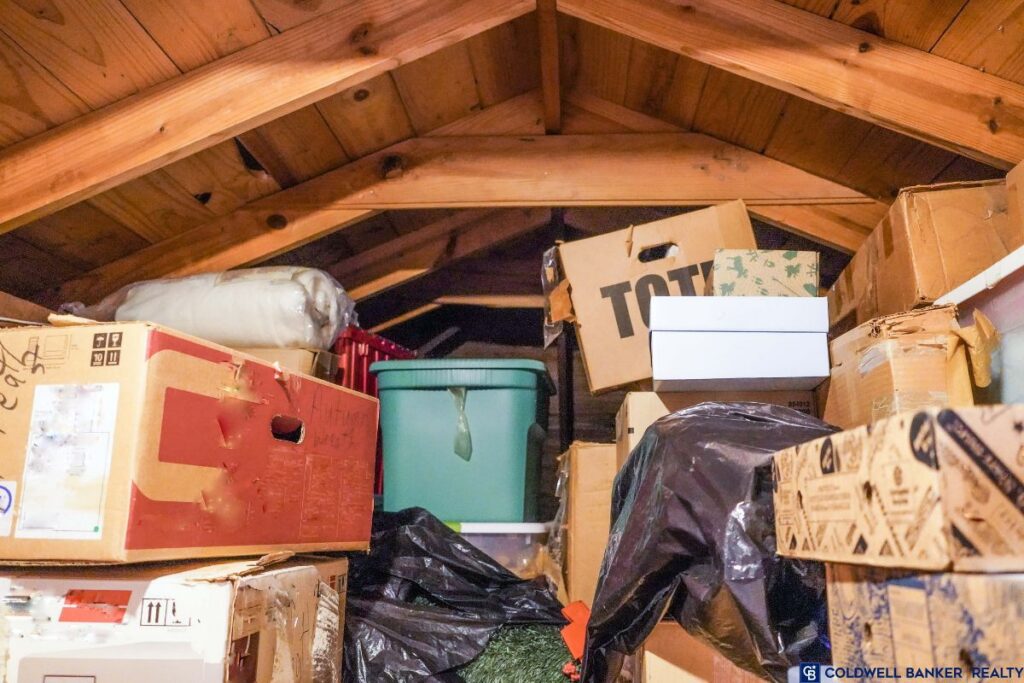
1. Begin With Storage Areas
Garages, basements, and closets are often easier emotionally than photo albums.
2. Remove Obvious Duplicates
Remove extra dishes, outdated paperwork, broken tools, and expired products.
3. Organize Important Documents
Create a clearly labeled folder that includes:
-
Insurance information
-
Property records
-
Financial documents
-
Account lists
This step alone is a gift to your family.
4. Ask One Simple Question
“If something happened to me, would my children know what to do with this?”
If the answer is no, simplify.
5. Go Slowly With Sentimental Items
Memories deserve time.
There is no rush.
How to Start Swedish Death Cleaning (Without Overwhelm)

The key is slow progress.
You are not cleaning the entire house in a weekend.
Start here:
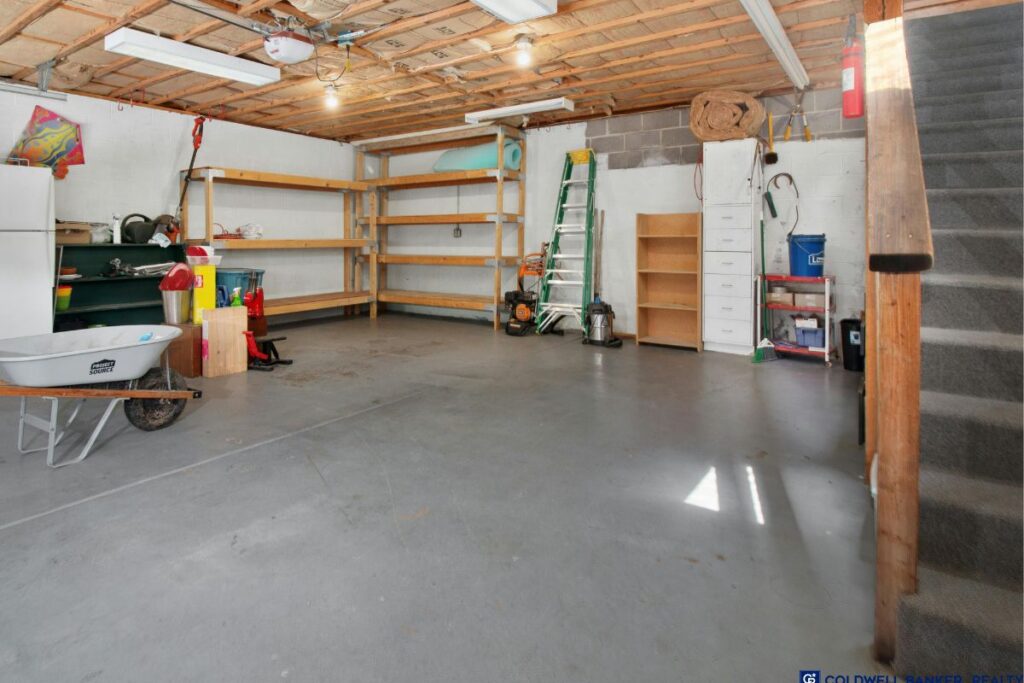
1. Begin With Storage Areas
Garages, basements, and closets are easier emotionally than family photo albums.
2. Remove Obvious Duplicates
Extra dishes, outdated paperwork, broken tools, expired products.
3. Organize Important Documents
Create a clearly labeled folder for:
- Insurance information
- Property records
- Financial documents
- Account lists
This alone is an incredible gift to your family.
4. Ask One Simple Question
“If something happened to me, would my children know what to do with this?”
If the answer is no — simplify.
5. Go Slowly With Sentimental Items
Memories deserve time.
There is no rush.
A Helpful Resource on Swedish Death Cleaning
This post may contain affiliate links. As an Amazon Associate, I earn from qualifying purchases.
If you’d like to read more about the philosophy behind this method,
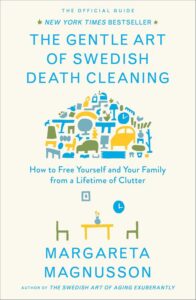
The Gentle Art of Swedish Death Cleaning by Margareta Magnusson offers thoughtful insight into the mindset behind it.
It explains the approach in a practical and surprisingly light way.
When Swedish Death Cleaning Makes Sense

Swedish Death Cleaning is especially helpful:
-
Before listing your home
-
After retirement
-
After the loss of a spouse
-
When adult children begin talking about “what’s next”
-
When maintaining the home feels heavier than it used to
Again, it’s not about death.
Instead, it’s about easing transition.
Swedish Death Cleaning Is a Gift

Downsizing does not have to begin with a crisis.
It can begin with clarity.
When you gradually simplify your home, you:
- Reduce future stress
- Give your family direction
- Make selling easier
- Keep control of your own decisions
And that may be the greatest gift of all.
If you’re beginning the downsizing process, I recommend starting with my
90-Day Downsizing Plan
and browsing the full Downsizing Series here to build a clear, step-by-step strategy.
Transition is easier when it’s intentional.