Most decluttering projects fail in the first hour. Not because people run out of motivation, but because they start too big. They open every closet, pull things off every shelf, and end up sitting in the middle of a bigger mess than the one they started with. Then the boxes go back on the shelves and nothing actually changes.
Knowing how to declutter a room the right way changes that. One room, done completely, in a single afternoon, creates the kind of momentum that actually carries forward. Here is how to do it without burning out before you finish.
Choose the Right Room First
The room you pick matters more than most people think. The goal on the first pass is not the hardest room in your home. It is the room that will give you the clearest result in the shortest amount of time.
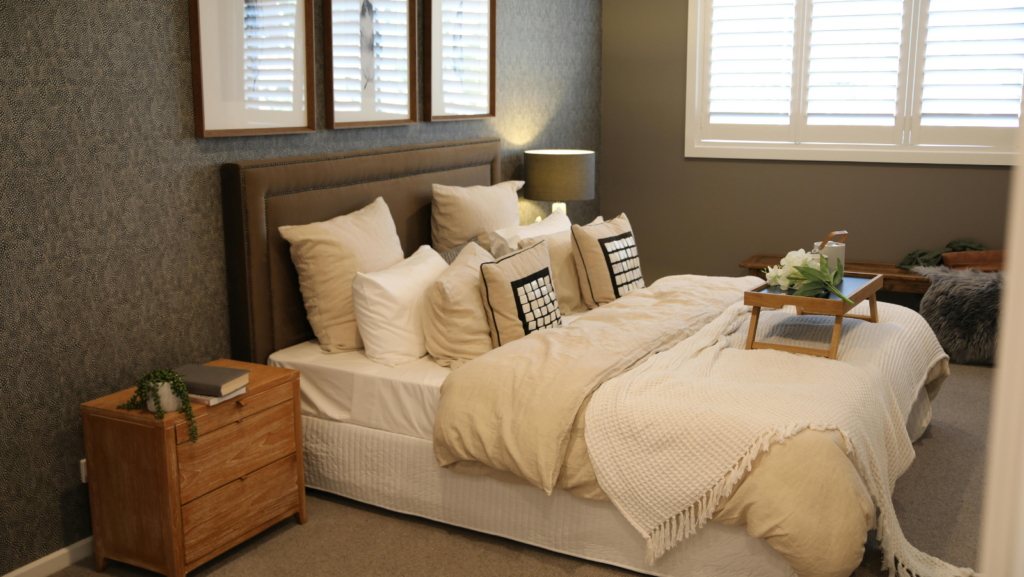
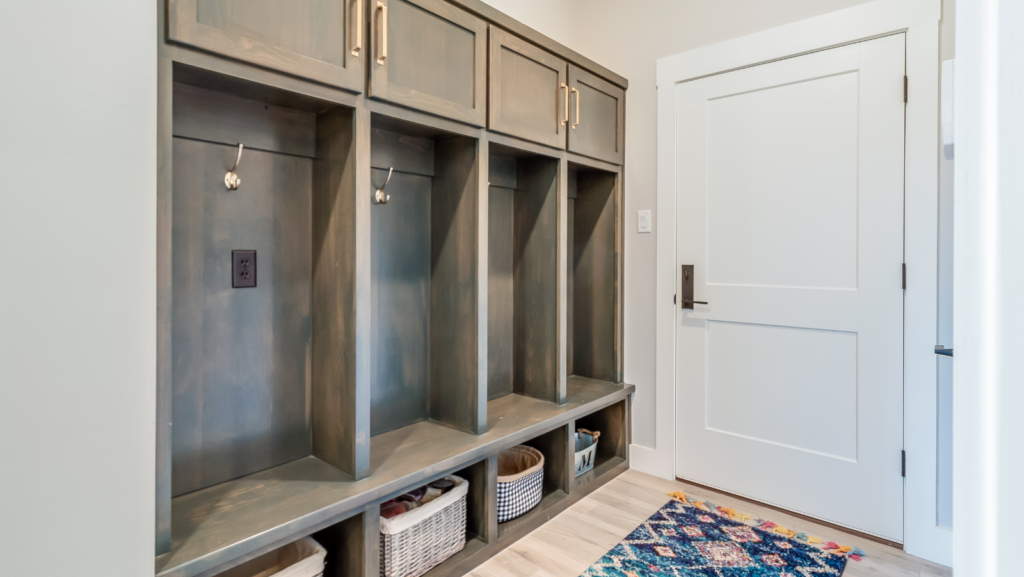
Good starting points are guest bedrooms, home offices, and mudrooms. These spaces tend to hold a lot of accumulated clutter without the emotional weight that comes with master closets, attics, or rooms that hold shared or sentimental items. A clean result is easier to achieve and easier to maintain when you are not making difficult decisions about every single item.
Save the garage, the basement, and the storage room for later. They will be there when you have built some momentum.
Set a Time Limit Before You Start
Giving yourself a defined window changes how you work. Open-ended projects drift. Projects with a clock run differently.
Three hours is a realistic target for an average-sized room. Set a timer when you begin. This is not about rushing. It is about keeping the session focused so it does not bleed into the rest of your day and feel like a punishment.
When the time is up, wrap up wherever you are. A half-finished room that you return to tomorrow is better than an all-day marathon that leaves you exhausted and dreading the next session.
Clear the Room Before You Sort It
Before you start deciding what stays and what goes, move everything to one central location. Pull items out of the closet, off shelves, out from under the bed. Put it all in one visible place, whether that is the center of the room or the hallway just outside.
This step feels counterintuitive because the room looks worse before it looks better. But seeing everything at once is the point. Most people have no idea how much they are actually storing in a space until it is all in one pile.
Work With Three Destinations, Not Five
Complicated sorting systems stall projects. Three destinations is enough.
Keep. Donate. Discard.
That is the entire system. Everything gets placed into one of those three categories without debate. The mistake most people make is creating a fourth category called maybe. Maybe is where decluttering projects go to die. If you are not sure, default to donate. If it was useful enough to keep, someone else will find it.
The only exception is sentimental items, which deserve honest consideration but not indefinite postponement. If an item has not been displayed, used, or thought about in more than a year, it is probably being kept out of obligation rather than meaning.
Start With the Easiest Decisions
Every room has easy decisions and hard decisions. Start easy.
Expired things, duplicates, broken items, anything that no longer fits or functions, outgrown items, things that belong in another room entirely. These are not difficult calls. Moving through them quickly builds confidence and clears physical space, which makes the harder decisions easier when you get to them.
Resist the urge to stop and organize as you go. Organizing is the last step, not the first. Sorting first, organizing after.
How to Declutter a Room One Zone at a Time
Work the room in sections. Closet first, then shelving, then drawers, then under the bed or furniture. Complete each zone fully before moving to the next one.
This matters because partially finished zones invite creep. If you leave the closet half sorted to move to the dresser, items start migrating between zones and the whole thing loses structure. One zone, done completely, then move on.
Get the Donate Box Out of the House the Same Day
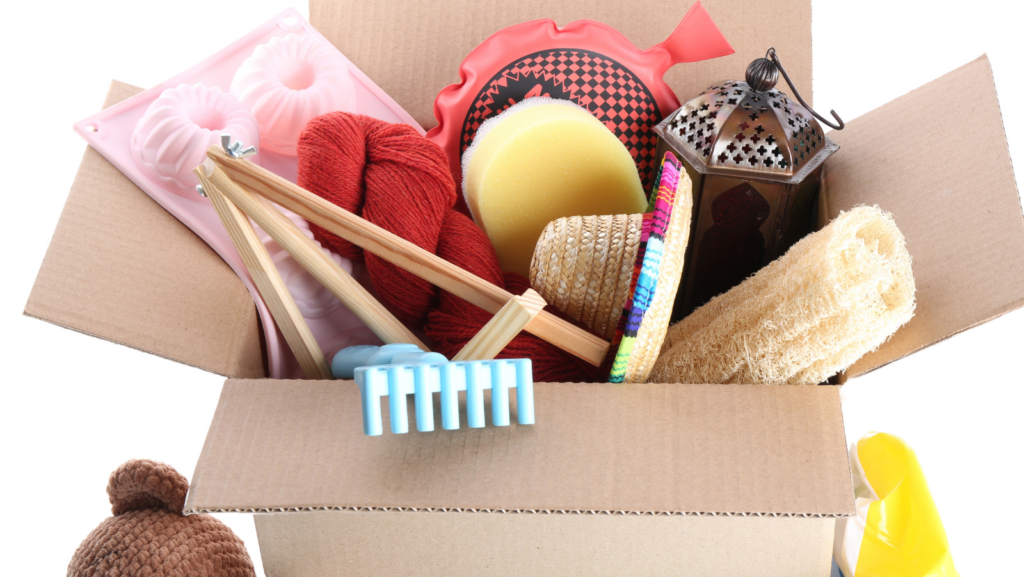
This is the step most people skip and it is the reason a lot of decluttering sessions quietly fail. The donate box that sits in the hallway for two weeks leaks. Items come back out. The decision gets second-guessed. The whole session starts to feel undone.
Book a donation pickup before you start if possible. If not, load the box into your car as soon as the session ends. Put the discard items directly into the trash or recycling. Nothing that left the room should sleep in your house.
Only after the room is edited down do you arrange what remains. This is where most advice starts, which is why most advice does not work. Organizing clutter just moves it around. Organizing what is left after a real clear-out is a completely different experience.
Store frequently used items where you actually use them. Group like items together. Leave breathing room on shelves. A room that is slightly under-filled is easier to maintain than one filled to capacity.
What This Has to Do With Selling Your Home
If you are thinking about listing in the next year, this process matters beyond comfort. Buyers notice clutter before they notice anything else. Closets that look full signal a lack of storage. Rooms that feel heavy make homes feel smaller than they are.
Sellers who have already edited their spaces spend less time and money preparing for market. There is less to stage, less to move, and less for buyers to look past.
The goal is not a perfect home by Sunday. The goal is one room that feels genuinely finished. That result, that one space that is calm and easy to maintain, is what makes the next session feel possible instead of impossible.
Start with the right room. Set the clock. Clear before you sort. Get the donations out the same day. That is how to declutter a room without losing your entire weekend to it.
I’m Betsy Rewald with Coldwell Banker Realty in Minnesota, born and raised right here in the Land of 10,000 Lakes! I love helping people find their perfect home, whether it’s their first, their dream upgrade, or the perfect place to downsize.
Through my blog, I share tips and ideas for buying and selling, plus insights on great neighborhoods, local events, and ways to make the most of Minnesota living. My goal is to make the home journey fun, stress-free, and full of excitement.
Whether you’re new to the area or a lifelong Minnesotan, I’m here to help you feel right at home—and maybe even fall in love with your next move!
Blog Categories
Home Search Tools
Recent Posts
We use cookies to ensure that we give you the best experience on our website. If you continue to use this site we will assume that you are ok with this.