
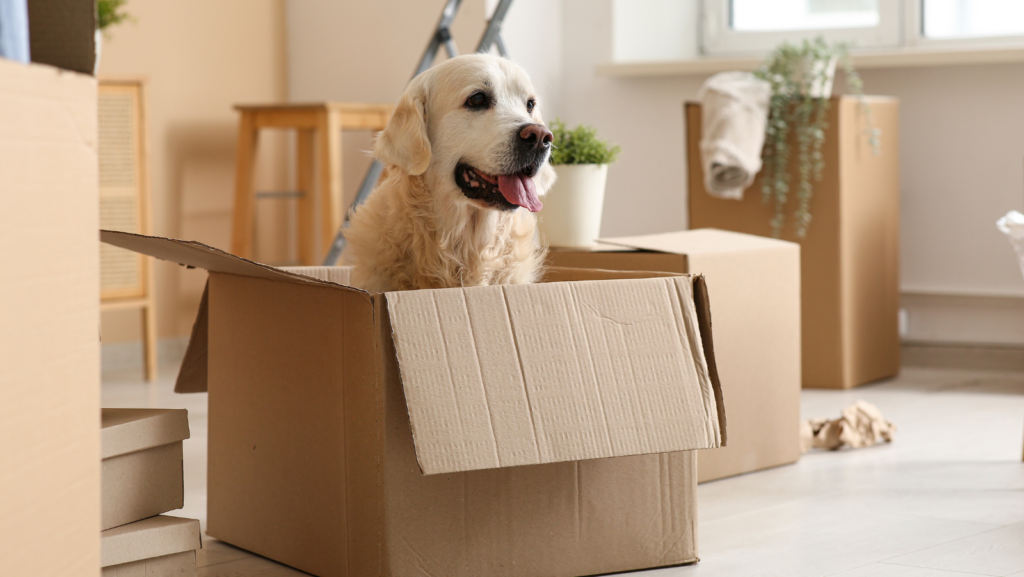
Moving day with pets can feel overwhelming, especially if you have a larger dog and a busy household. Between open doors, people coming and going, and furniture being moved out, it’s easy for even a well-trained dog to become stressed or slip outside.
With a simple plan, you can keep your dog safe, calm, and out of the chaos while you focus on the move.
If you’re still planning your move, start here:
Relocating With Pets: What to Plan Before You Move to a New Home
Why Moving Day Is Stressful for Dogs
Most dogs thrive on routine and familiarity. On moving day, everything changes at once — their space looks different, strangers are in the home, and the usual rhythm of the day is gone.
For many dogs, this leads to:
- Pacing or anxiety
- Trying to follow you constantly
- Attempting to get out open doors
This is especially true for larger, active breeds common in Minnesota homes, like Labs, Goldens, and Shepherds.
Before Moving Day: Keep Things as Normal as Possible
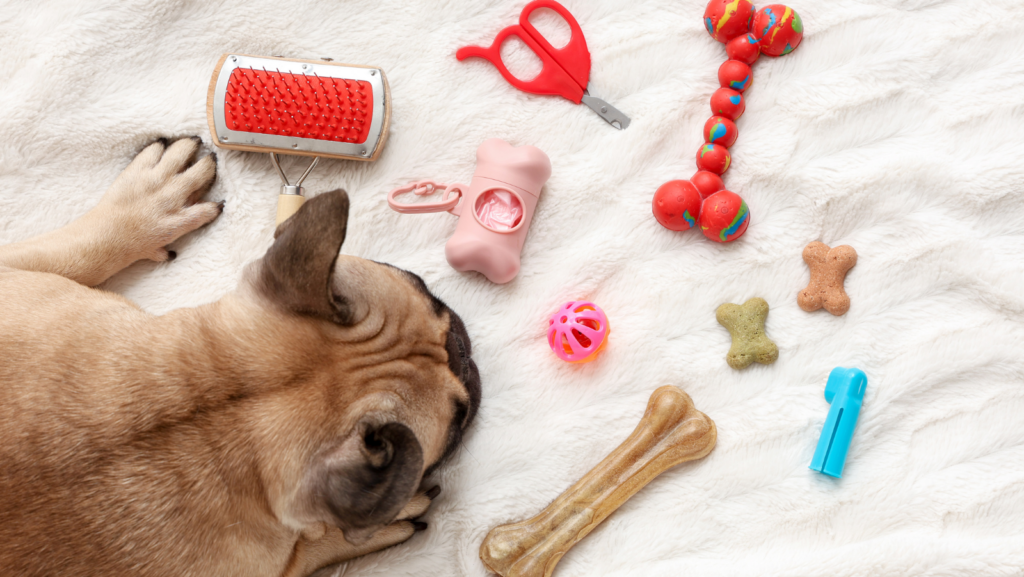
The more stable things feel before the move, the easier the day will be.
Try to:
- Keep feeding and walking times consistent
- Leave your dog’s bed and favorite items out until the last minute
- Set aside one place for all pet supplies
Having a simple system in place ahead of time makes moving day much smoother.
The Safest Option for Most Dogs: Containment
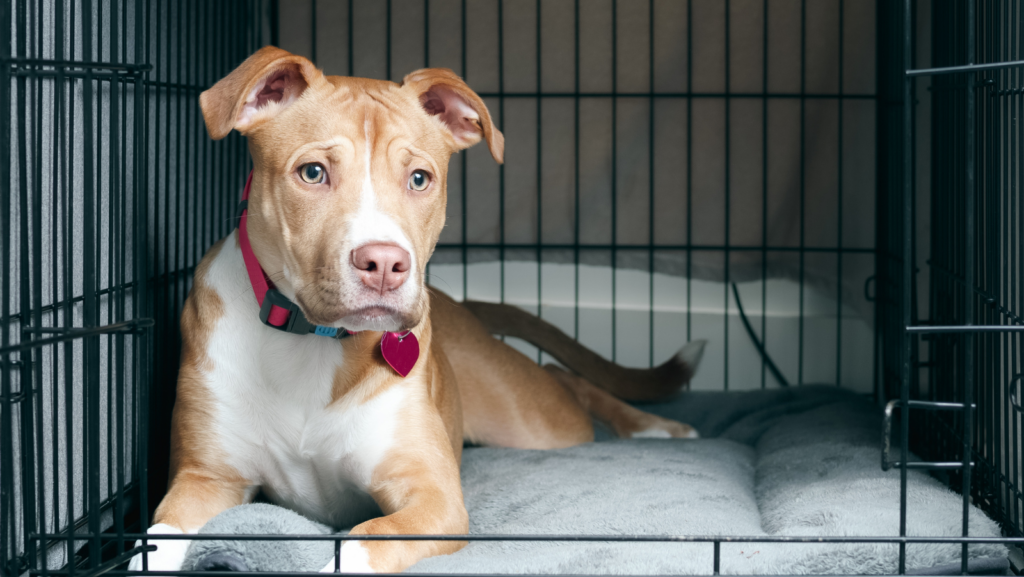
For most homeowners, the safest and simplest approach is to keep your dog out of the moving activity entirely.
This can look like:
- A closed bedroom with a door sign
- A crate set up in a quiet space
- A friend, neighbor, or family member watching your dog
- Boarding your dog for the day
With doors constantly opening for movers, kids, or helpers, this step alone prevents the most common problem — dogs slipping outside unnoticed.
Managing Larger Dogs During a Move
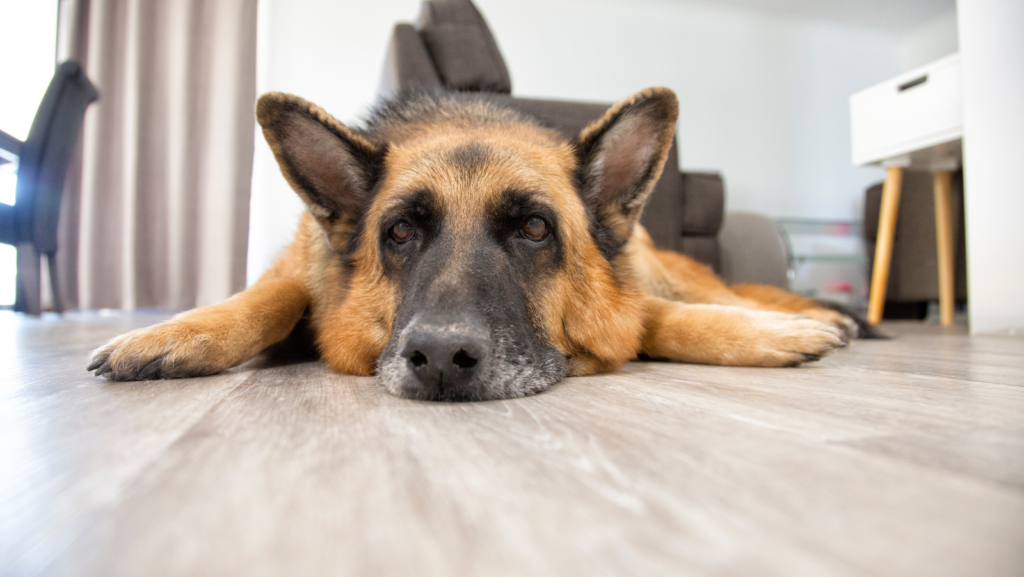
If you have a larger dog, trying to manage them while carrying boxes or coordinating a move quickly becomes overwhelming.
Instead of juggling both, it’s better to:
- Fully separate your dog from the activity
- Avoid tying them outside or leaving them loose
- Give them a calm, contained space
This reduces stress for both you and your dog and keeps everyone safer.
A Helpful Option for Small Dogs
If you have a smaller dog, a backpack carrier can be a simple way to keep them secure and close while your hands are full. This works well for quick trips between the house and car or in busy environments.
Travel Safely to Your New Home
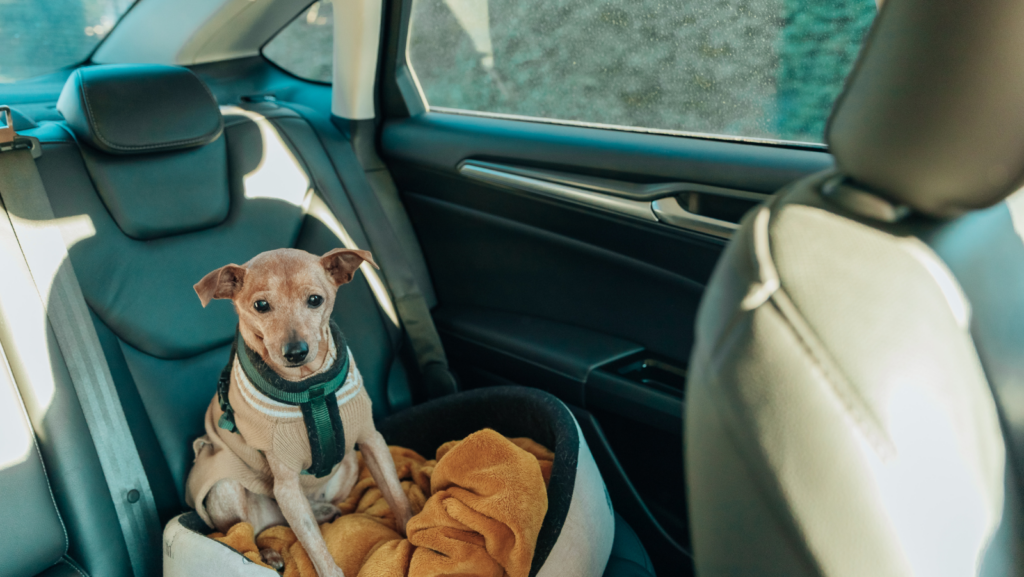
Once it’s time to leave, make sure your dog is safely secured for the drive.
For most families, this means:
- A crate in the vehicle
- A properly fitted harness with a seatbelt attachment
- Bringing water for longer drives
Never allow your dog to roam freely in the car, especially on a stressful day.
Set Up One Room First in Your New Home
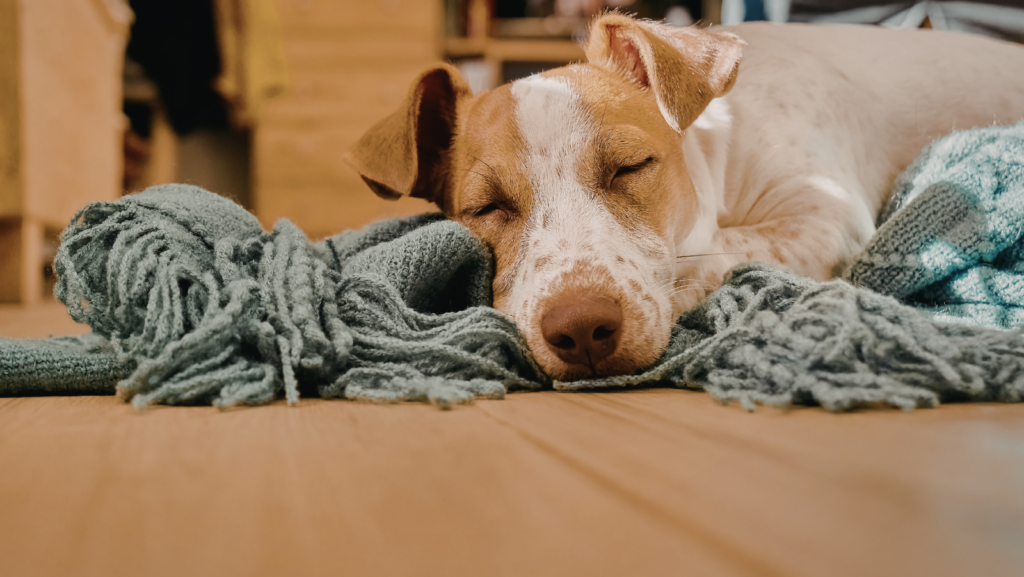
When you arrive, don’t open the door and let your dog run through the whole house.
Instead:
- Choose one quiet room
- Set up their bed, water, and food
- Bring in familiar items
This gives your dog a calm place to settle while the rest of the home is still in transition.
Keep Your Dog’s Essentials Easy to Grab
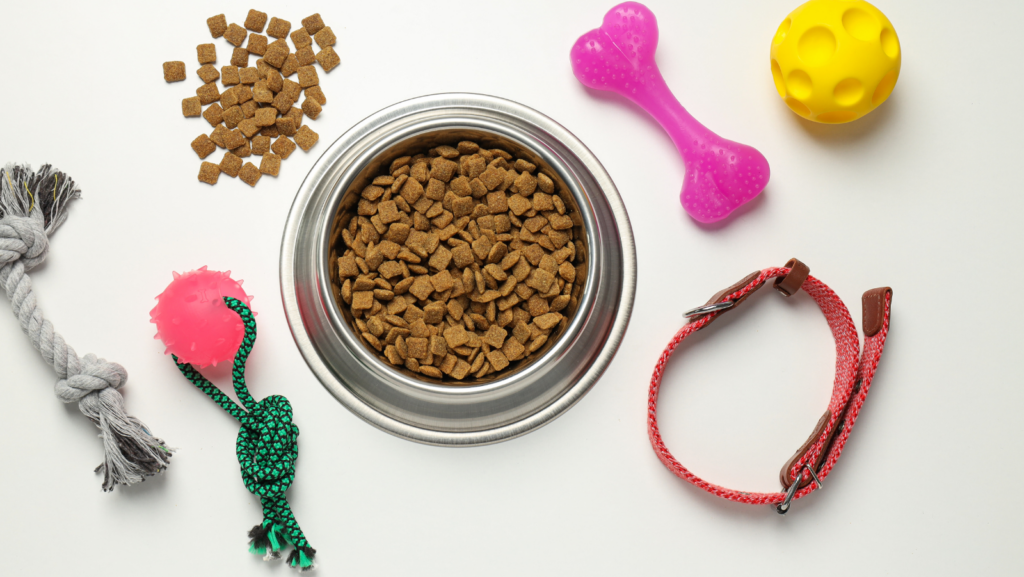
One of the most common mistakes on moving day is packing pet supplies too early.
Make sure you have a simple, easy-to-access setup that includes:
- Food and water
- Bowls
- Leash
- Waste bags
- Medications
👉 A dedicated pet travel bag or organizer can make this much easier, especially when everything else is packed away.
Don’t Forget the Practical Details
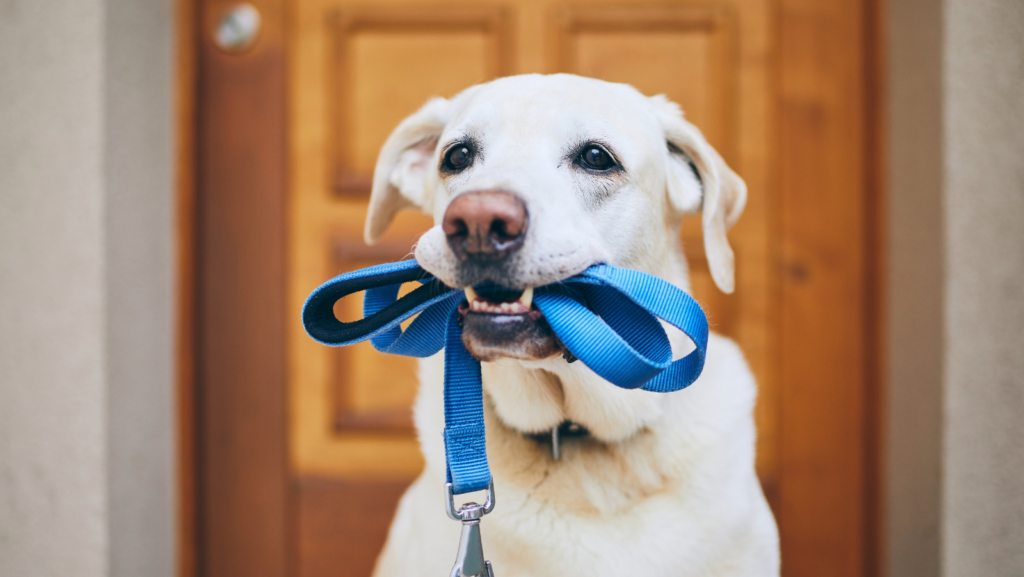
Moving into a new neighborhood means new routines.
Make sure you have:
- Poop bags ready for walks
- A leash by the door
- A plan for where your dog will go outside
These small things matter more than you think, especially in a new environment.
Get Back to Routine Quickly
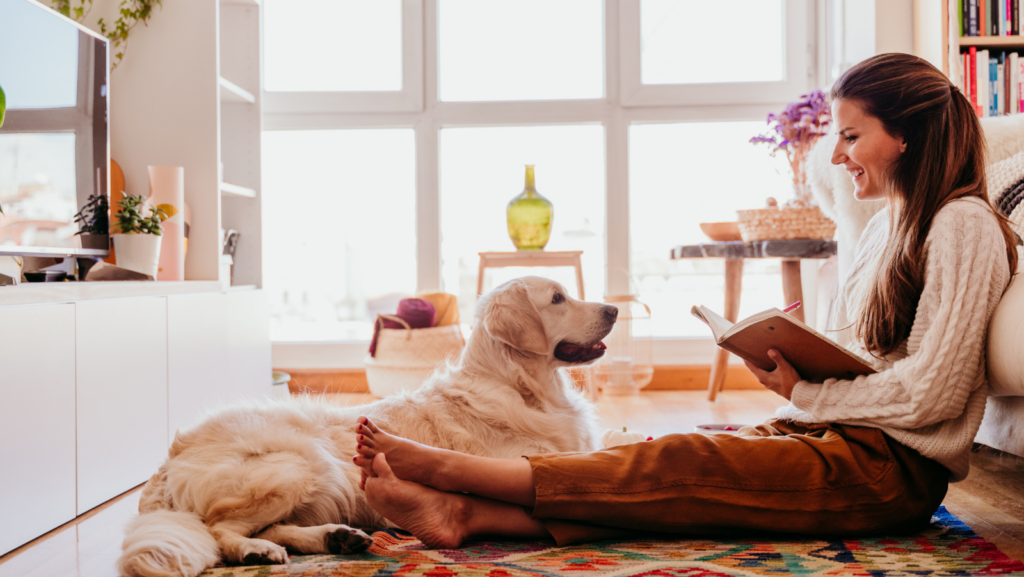
After the move, your dog will look to you for cues.
Try to:
- Feed at normal times
- Walk your dog on a consistent schedule
- Keep their sleeping space the same
Routine is what helps dogs settle in and feel at home again.
Final Thoughts
Moving day with pets doesn’t have to be stressful. For most homeowners, the key is simple: keep your dog safe, contained, and out of the chaos while you focus on the move.
A little planning goes a long way in making the transition easier for both you and your dog.
If you haven’t already, start with this guide.