
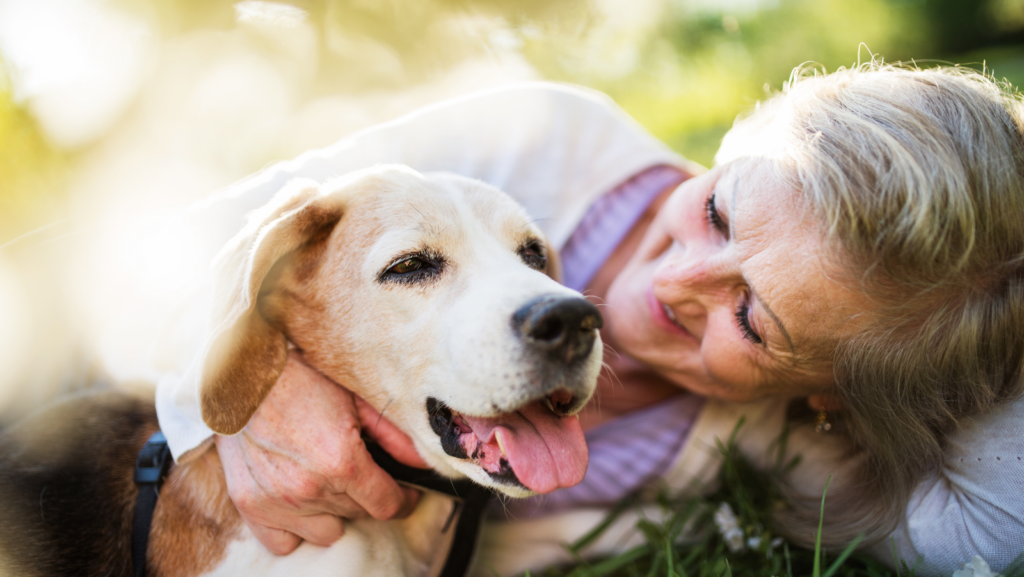
Downsizing with pets comes with a different set of decisions than a typical move. It’s not just about square footage or layout. It’s about how your pet will live day to day in a new space.
Whether you’re moving to a smaller home, a townhome, or a one-level property, thinking ahead can make the transition easier for both you and your pet.
If you’re still planning your move, you may also want to read:
👉 Relocating with pets and what to plan before you move
Less Space Changes Daily Life

Moving into a smaller home often means your pet will have less room to roam.
For many dogs, especially larger breeds, this can mean:
- More time indoors
- Less space to move freely
- More reliance on walks and routine
However, a smaller space can also feel calmer and easier to manage, especially for older pets who no longer need as much activity.
Yard Changes Matter More Than You Think
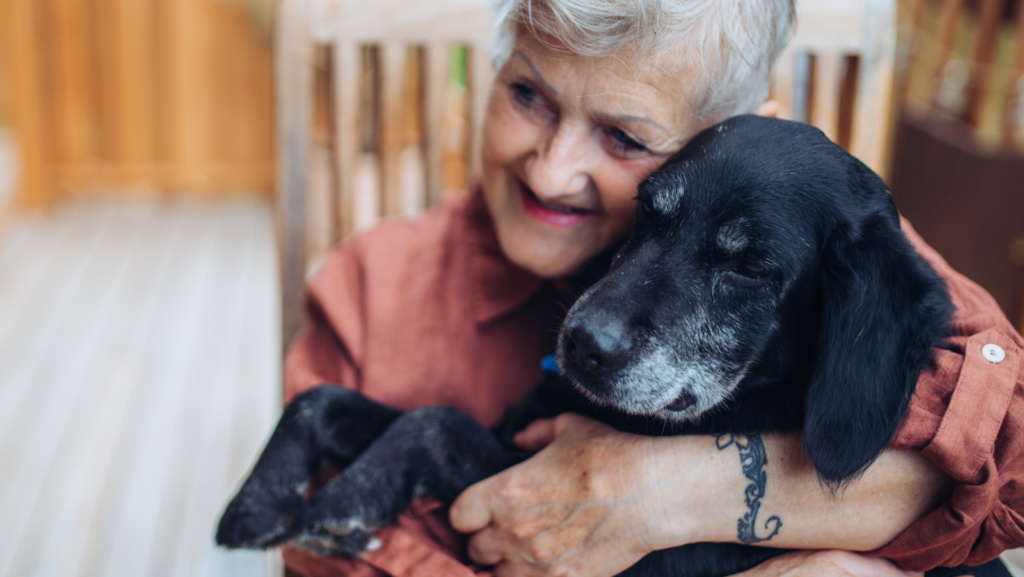
One of the biggest adjustments when downsizing is often the yard.
You may be going from:
- A large, fenced yard
- To a smaller yard or shared space
- Or even no yard at all
This changes your daily routine.
In Minnesota, this matters even more. Winter conditions, snow, and ice can make outdoor time more challenging. Having a plan for quick and safe access outside becomes part of everyday life.
Stairs and Aging Pets
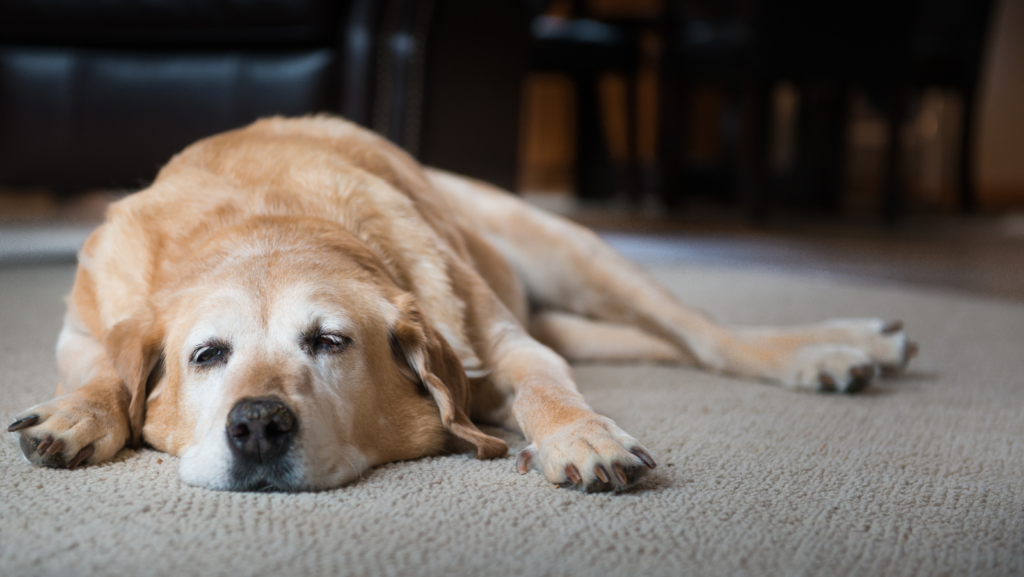
Many homeowners downsize into homes with different layouts, including stairs.
For older dogs, this can be a major factor.
Things to consider:
- Can your dog comfortably manage stairs?
- Would a one-level home make daily life easier?
- Are there ways to limit strain or risk?
Choosing a layout that works long-term can prevent future challenges.
Entryways and Everyday Routine
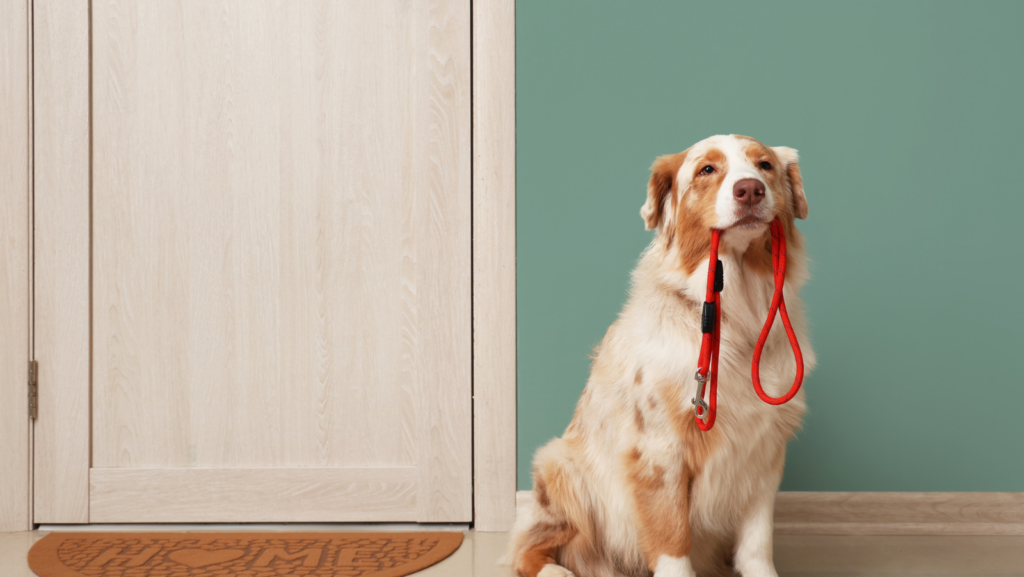
Smaller homes often have less space for the day-to-day routines that come with having a dog.
Think about:
- Where leashes and supplies will go
- How you’ll handle muddy paws or wet coats
- Whether there’s a transition space like a mudroom
These small details can have a big impact on how functional your home feels.
Neighborhood Fit Becomes More Important
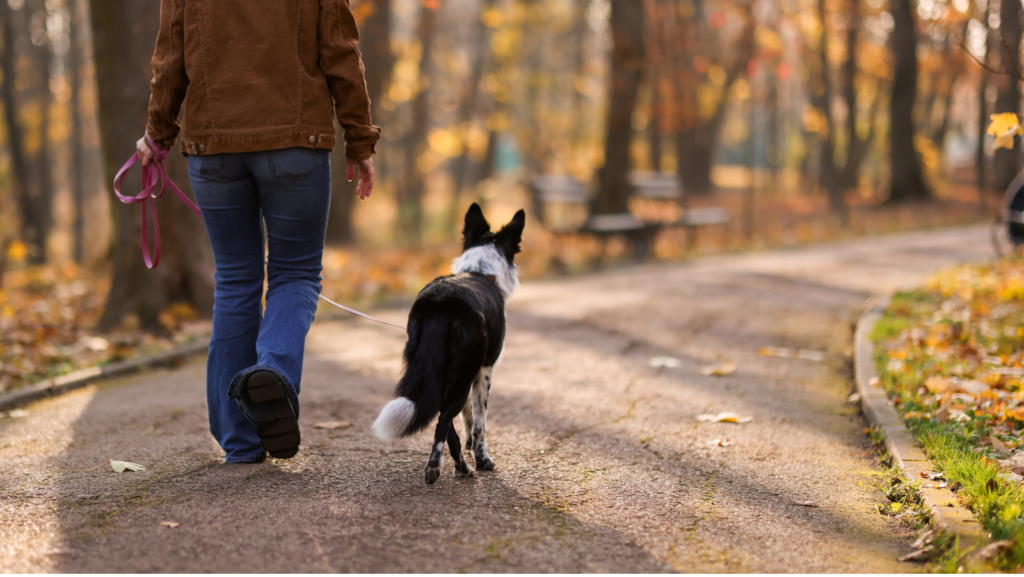
When your indoor or yard space gets smaller, your neighborhood matters more.
Look for:
- Quiet streets for walking
- Safe sidewalks or paths
- Nearby parks or green space
Your dog’s world expands beyond your property, so the surrounding area becomes part of daily life.
The Transition Itself

Leaving a long-time home can be just as hard on pets as it is on people.
Familiar smells, routines, and spaces are all changing at once.
This is where planning your move carefully can help.
👉 Moving day with pets: how to keep dogs safe and calm
Keeping routines consistent and giving your pet time to adjust makes a big difference.
When Your Pet Is Part of the Property

For many homeowners, especially those who have lived in one place for years, pets are tied to the land itself. Some have favorite spots in the yard. Others are buried there, part of the home’s history in a quiet, personal way.
Downsizing can bring up unexpected emotions around this.
There’s no one right way to handle this. Some homeowners choose to create a small marker or take a moment before they leave. Others find comfort in knowing those memories aren’t tied to a location, but carried with them.
It’s a deeply personal decision, and one that deserves time and thought as part of the downsizing process.
Emotional Adjustment for You and Your Pet
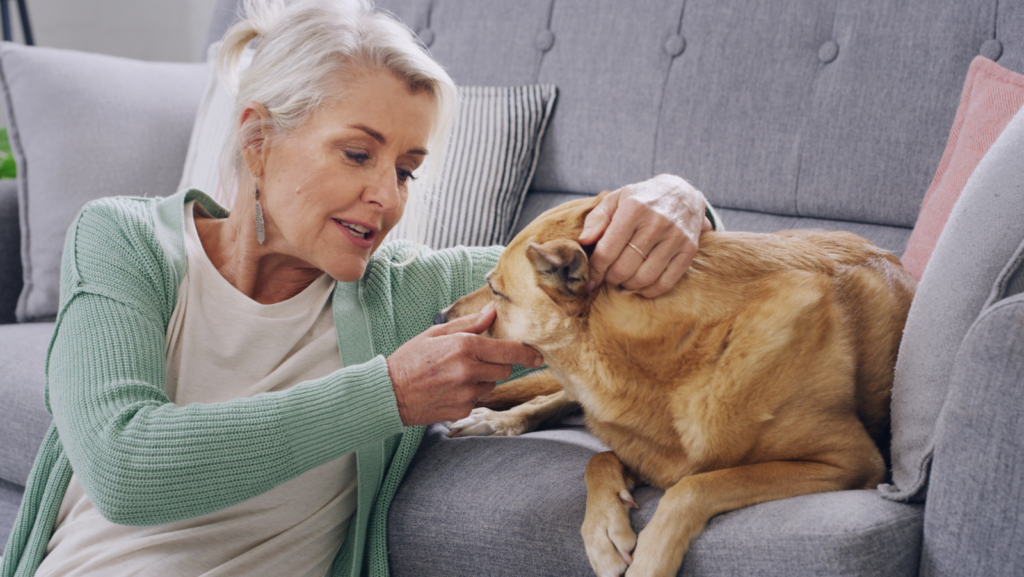
Pets pick up on changes more than we often realize.
During a move, they may:
- Become more attached
- Show signs of stress
- Take time to adjust to a new routine
Giving yourself and your pet time to adjust is part of the process.
Final Thoughts
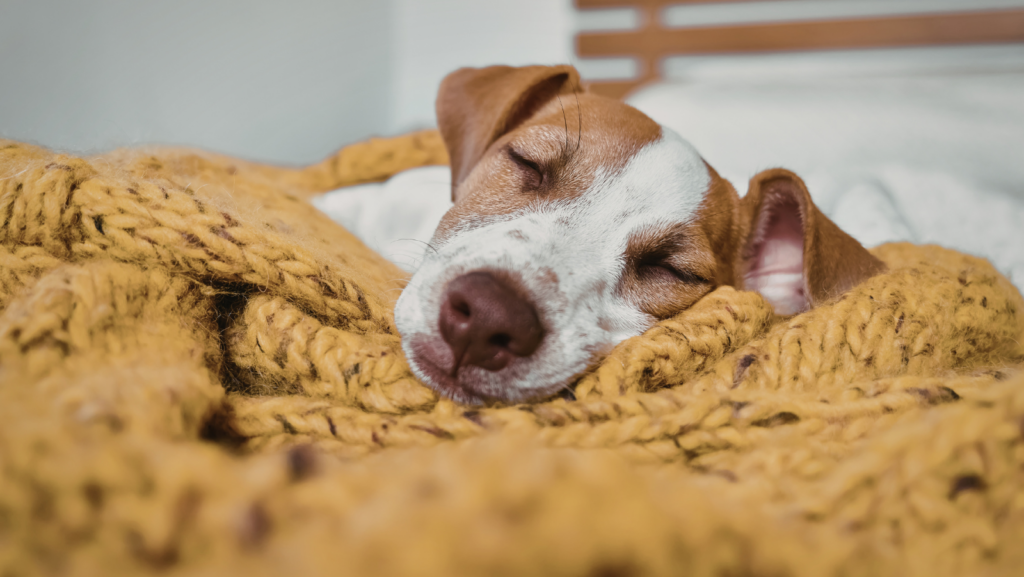
Downsizing with pets is about more than finding a smaller home. It’s about choosing a space that works for your daily life, your routines, and your pet’s needs.
When you think through these details ahead of time, the transition becomes smoother, more manageable, and ultimately more comfortable for both of you.