

Every winter, the same thought crosses people’s minds:
“There has to be a better way to do January.”
For many homeowners, that thought turns into a real question:
Should we become snowbirds?
Spending part of the year in a warmer climate can sound ideal — especially if you’re approaching retirement or already thinking about downsizing.
However, seasonal living is more than a lifestyle shift.
It’s a financial, logistical, and long-term planning decision.
Before you commit, here’s what to consider carefully.
What It Really Means to Be a Snowbird

Being a snowbird typically means maintaining two residences:
- A primary home
- A seasonal home in a warmer state
Some homeowners downsize before purchasing a second property. Others keep their current home and add another.
Either way, your financial picture changes.
The Financial Reality of Two Homes

Owning property in two states comes with ongoing costs.
You will likely be responsible for:
- Property taxes in both locations
- Insurance on both properties
- Utilities year-round
- Maintenance and repairs
- HOA fees, if applicable
In addition, you may need to budget for:
- Property management services
- Lawn care or snow removal while you’re away
- Security monitoring
Before committing to seasonal living, calculate your true annual carrying costs.
The dream feels different once the numbers are clear.
Should You Downsize First?
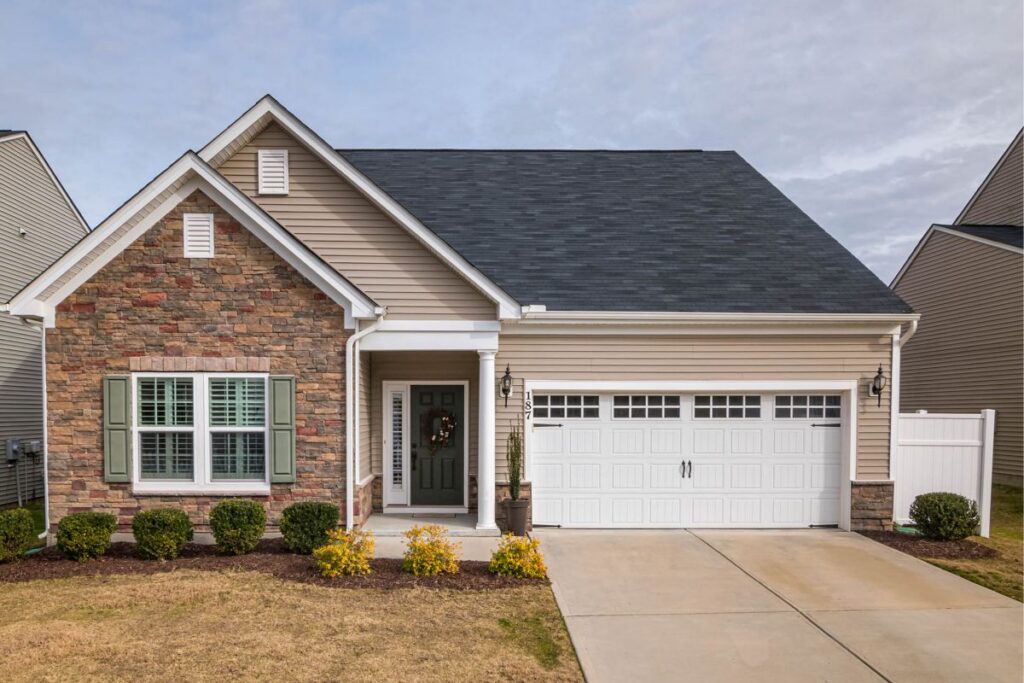
For many homeowners, simplifying their primary residence before buying a second property makes sense.
A smaller home can reduce:
- Maintenance responsibilities
- Utility costs
- Property taxes
- Exterior upkeep
If your long-term plan includes extended time away, managing a large property may become more burden than benefit.
Downsizing first can create flexibility and free up equity.
Tax and Residency Considerations

Residency rules matter more than many people realize.
You’ll want to understand:
- How much time you can spend out of state
- Whether your homestead status changes
- Income tax implications
- Capital gains considerations
Each state has its own guidelines.
Consulting a qualified tax professional early can prevent unexpected complications later.
Healthcare and Insurance Planning

Healthcare access is another major factor.
Ask yourself:
- Will your providers coordinate care across states?
- Does your Medicare plan travel well?
- Do you need supplemental coverage?
Continuity of care is often overlooked in early snowbird planning.
Lifestyle Considerations Most People Don’t Expect

Seasonal living affects more than your address.
It can impact:
- Community involvement
- Church or social commitments
- Proximity to family
- Volunteer activities
Some people thrive on the flexibility.
Others miss the rhythm of home more than they expected.
Before purchasing a second property, consider renting for a season to test the lifestyle.
Market Timing and Planning Ahead
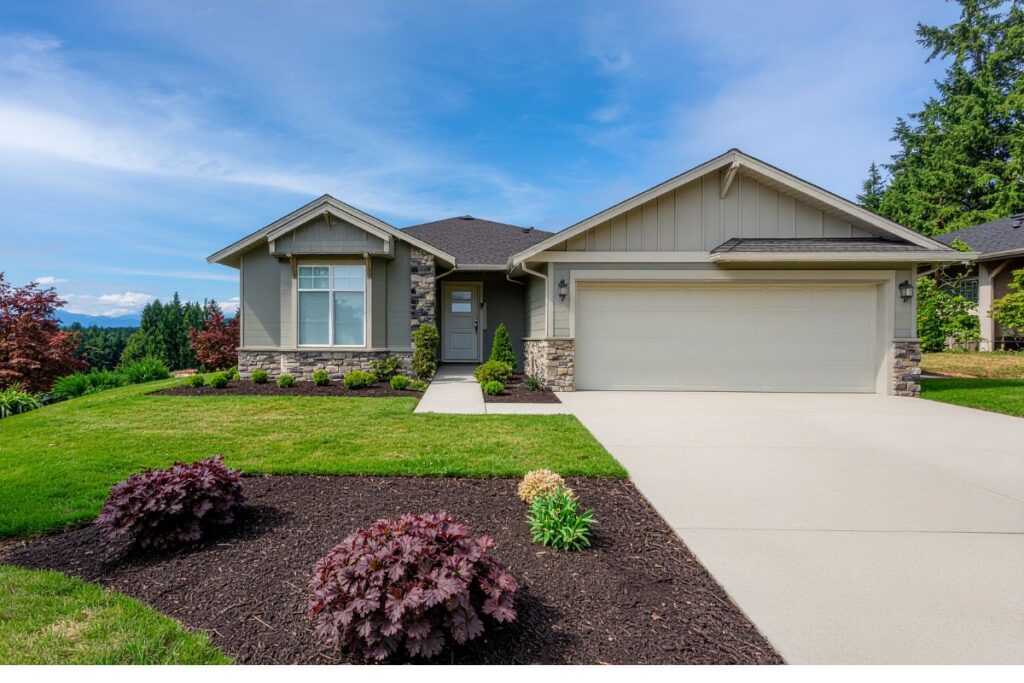
If selling or downsizing is part of your snowbird plan, timing matters.
Real estate markets tend to follow seasonal patterns.
Preparing your home early and listing during strong buyer demand can strengthen your financial position.
Strategic timing reduces pressure and increases options
Is Becoming a Snowbird the Right Move?
For some homeowners, seasonal living offers the perfect balance.
For others, the complexity outweighs the benefits.
Ask yourself:
- Does this improve long-term financial stability?
- Does it simplify life — or complicate it?
- Can you comfortably manage two properties?
Becoming a snowbird should feel freeing, not overwhelming
Downsizing doesn’t have to feel overwhelming. Explore the complete Downsizing Series for clear, practical guidance to help you plan your next chapter thoughtfully and strategically.