
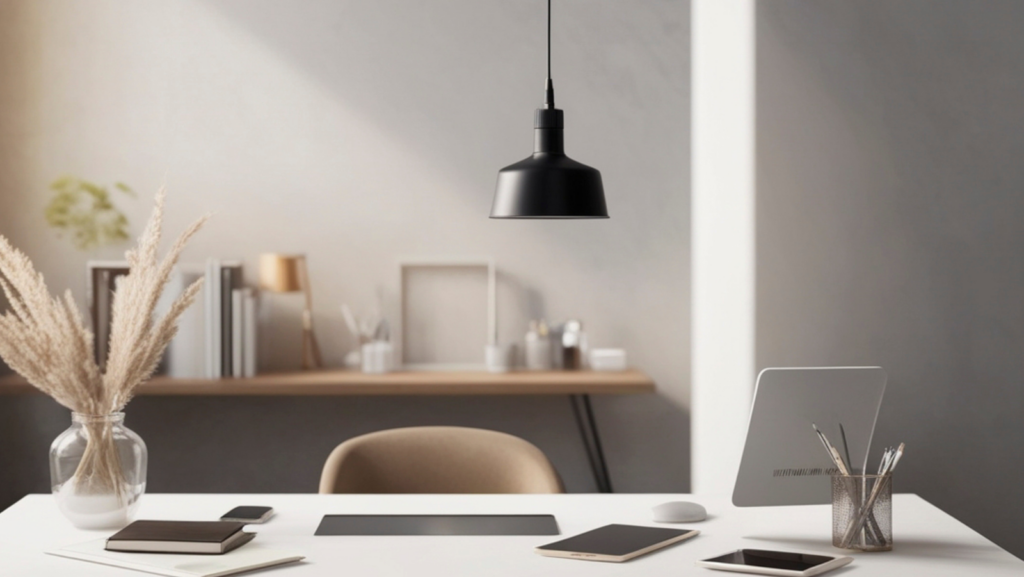
Not every home has a dedicated office.
Most don’t.
And if you’ve ever tried working from the kitchen table or the corner of a bedroom, you know how quickly it takes over everything.
That’s the real issue, not the lack of space, but the lack of a place.
A place where work can happen… and then be put away.
This is something I see in so many homes, people trying to make space for work without really having a place for it.
The good news is, you don’t need a full room. You just need a setup that makes sense.
Start With What You Actually Have
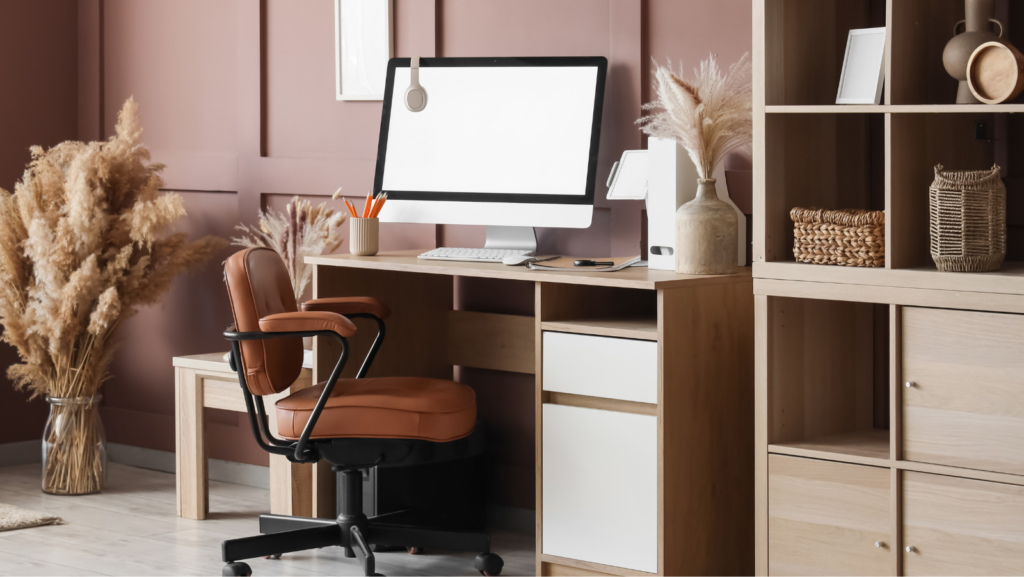
Before buying anything, look at your home differently.
You’re not looking for an empty room.
You’re looking for:
- a wall
- a corner
- a small unused space
That’s enough.
Most homes already have space, it’s just not being used this way yet
Where You Can Create a Home Office in a Small Space
This is what actually works in real homes.
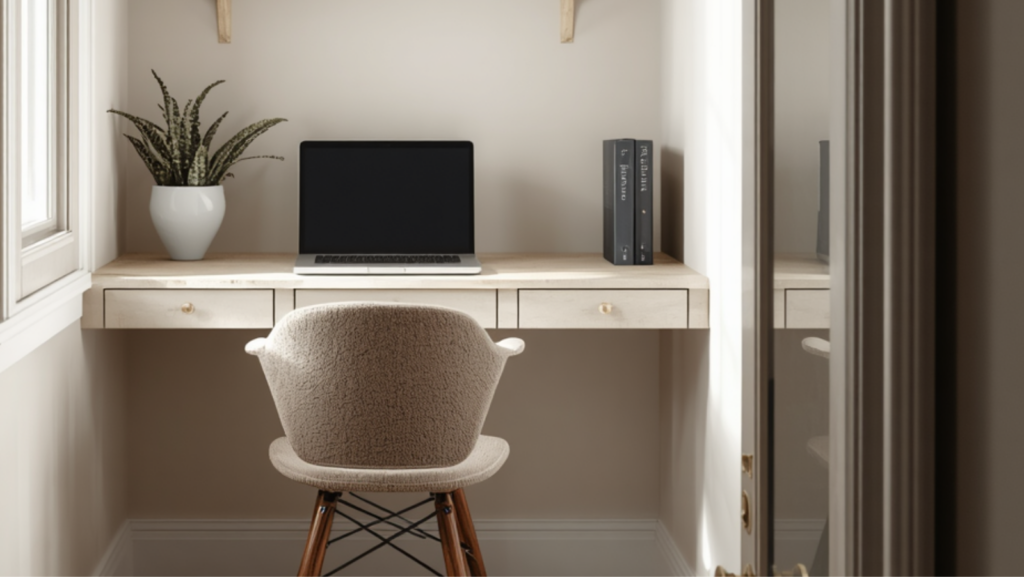
A Closet (The “Cloffice”)
Closets are one of the easiest and most effective solutions.
They already have boundaries, which makes them feel like a separate space, even when they’re not.
Closet office ideas like this are becoming one of the most practical ways to create a workspace at home.
If you want to see exactly how to set one up, I break it down here:
👉 The “Cloffice” Trend: Turning a Closet Into a Functional Home Office
A Bedroom Wall
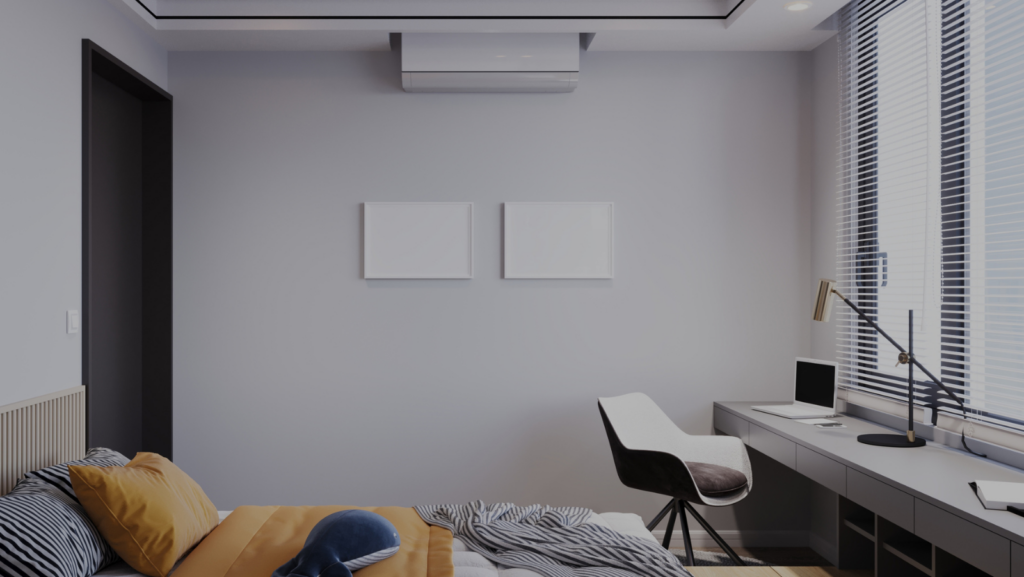
A simple desk setup along one wall works well.
Keep it minimal so it doesn’t take over the room.
A Living Room Corner
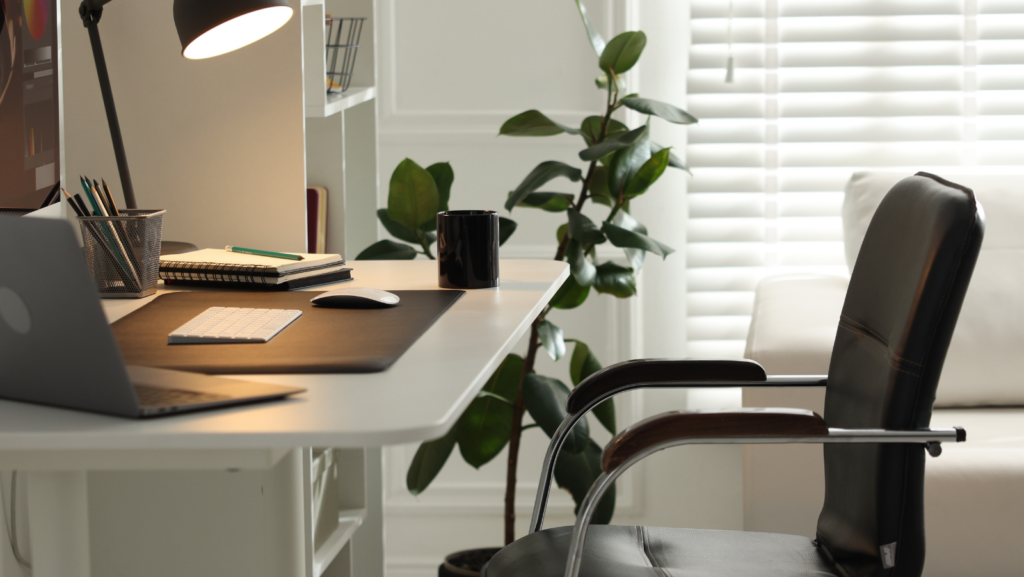
This is more common than people think.
The key is keeping it contained so it doesn’t spread into the entire space.
A Hallway or Landing
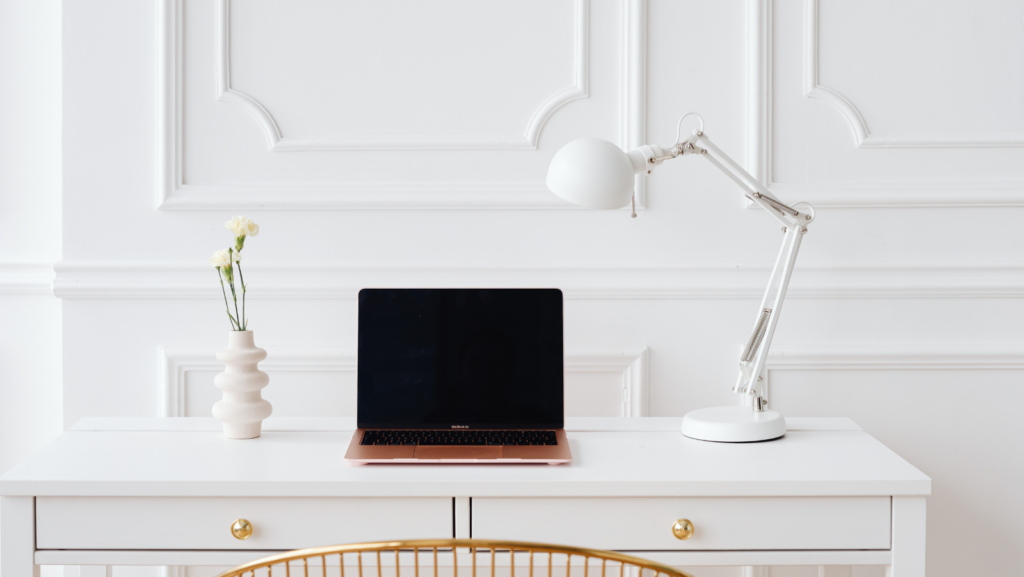
Even a small stretch of wall can become a workspace.
It doesn’t have to be big to be useful.
What You Actually Need (Keep It Simple)
This is where people overcomplicate things.
You don’t need a full office.
You need:
- a surface to work on
- a chair
- good lighting
That’s it.
If you want simple, practical product ideas, I put together a full list here:
👉 Cloffice Essentials I’d Actually Buy (And Use)
Keep It Contained
This is what makes or breaks a small workspace.
When it stays contained, it feels intentional.
When it spreads, it feels cluttered.
Stick with:
- wall storage instead of bulky furniture
- simple setups instead of full desks
- just enough, not more
Lighting Matters More Than You Think
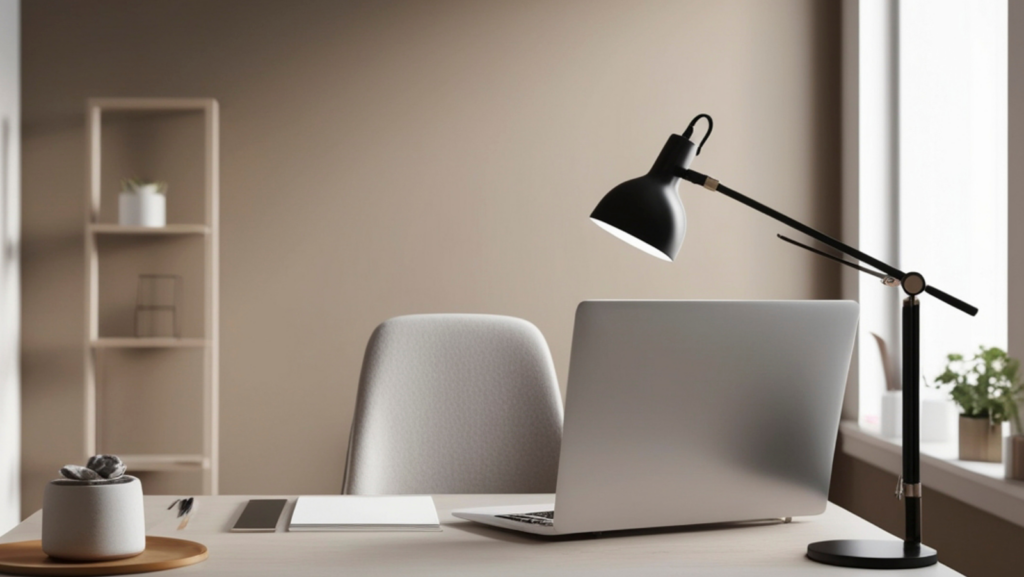
Most small workspaces fail here.
Overhead lighting isn’t enough.
Adding a simple lamp or wall light makes the space easier to use and more comfortable.
You Need a Way to “Turn It Off”
Even without a separate room, your workspace should feel like it has an off switch.
That might look like:
- closing closet doors
- shutting a laptop and clearing the surface
- keeping everything in one defined space
That separation matters more than the size of the setup.
What Buyers Are Starting to Look For
This comes up more and more.
People aren’t just asking if a home has an office.
They’re asking where they would work.
A home doesn’t need a dedicated office — but it does need a space that makes sense for one.
And small, thoughtful setups like these make a home feel more functional overall
What Not to Do
Avoid:
- oversized desks
- too much storage
- trying to make it look perfect instead of usable
- letting the space spread into the rest of the room
If it’s not easy to sit down and use, it won’t get used.
Final Thoughts
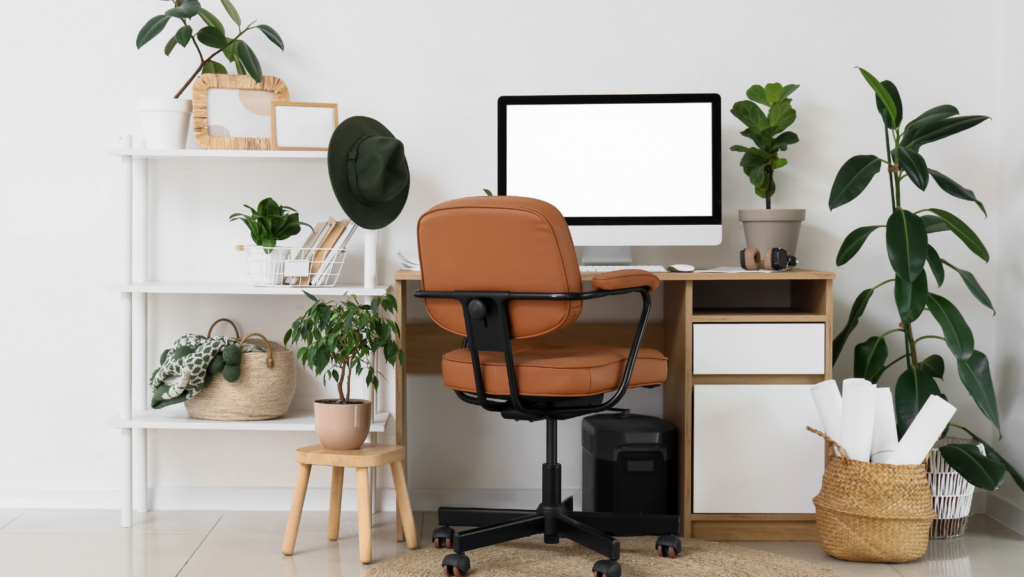
You don’t need more space.
You need a space that works.
That’s the difference.
The homes that feel easiest to live in aren’t always bigger. They’re just set up better.
Because at the end of the day, that’s what people are really looking for.