
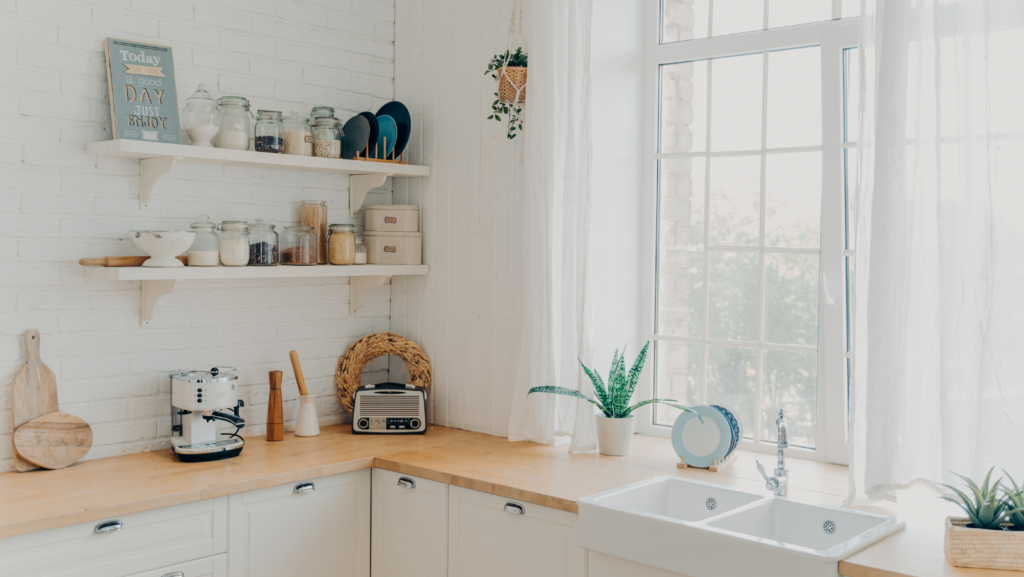
Most homes have one. Yours does not. And if you have ever stood in a kitchen with a cart full of groceries and nowhere logical to put them, you already know the particular frustration of a pantry-free kitchen. These no pantry kitchen storage ideas are not about making the best of a bad situation. They are about solving it properly. You do not need a renovation. You do not need extra square footage. You need a clear-eyed look at the space you actually have and a few smart decisions about how to use it.
Here is what actually works.
Figure Out What You Are Really Storing
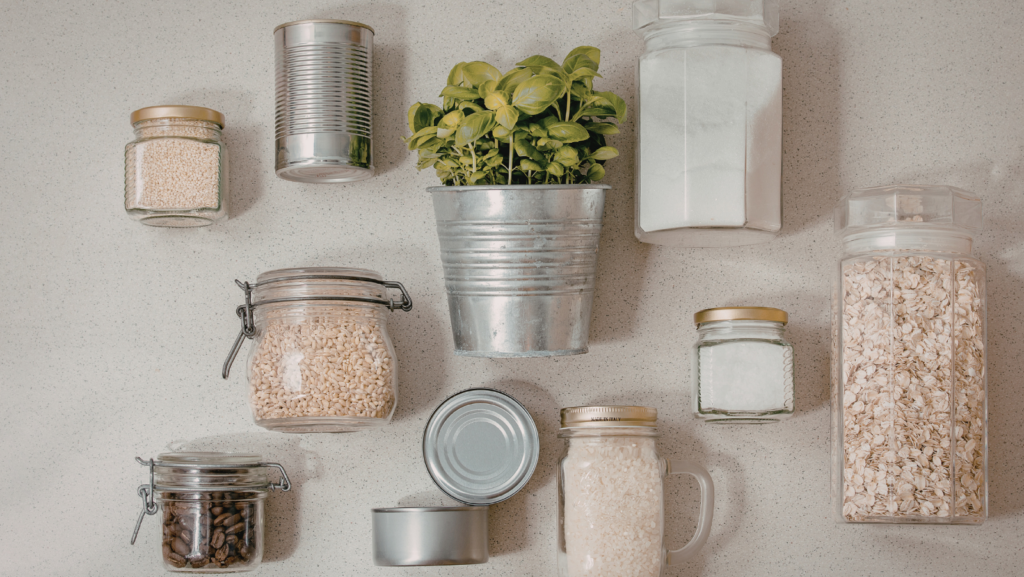
Before you buy a single shelf or basket, take everything out of your current kitchen storage and look at it honestly. Most people are storing three different categories of things and treating them all the same way, which is part of why nothing feels organized.
The first category is everyday items. Think cooking oils, spices, pasta, canned tomatoes, coffee, and snacks you reach for multiple times a week.. These need to be the most accessible. The second category is backup stock. Extra cans, a second bag of flour, the pantry staples you buy in bulk. These do not need to be front and center. They just need a consistent home. The third category is rarely used items. Special occasion baking supplies, appliances you use twice a year, things you are not even sure you still need.
Once you sort into those three categories, the solutions become much clearer.
No Pantry Kitchen Storage Ideas That Start With Your Cabinets
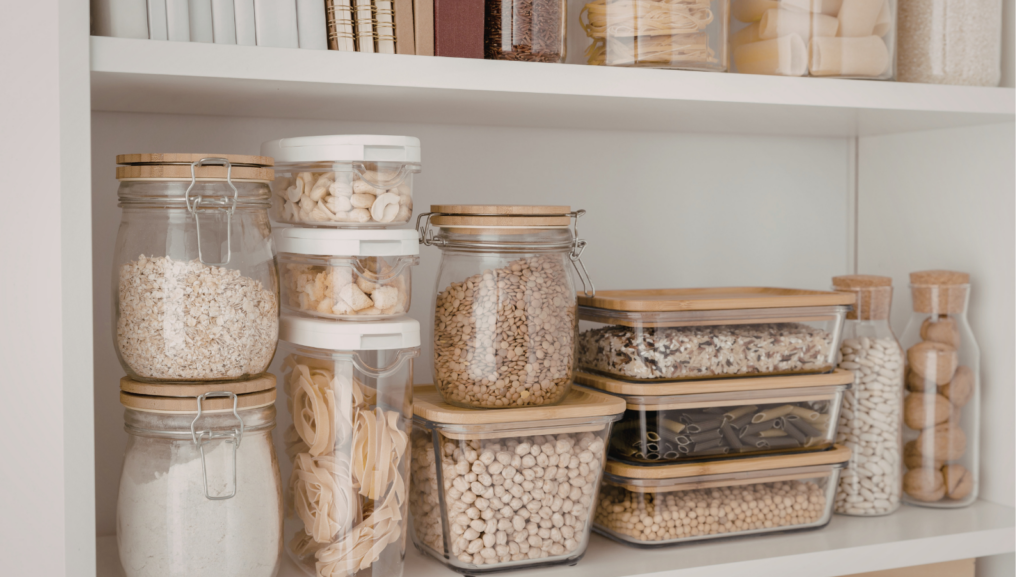
Most pantry-free kitchens have at least one or two deep cabinets that are functioning as a jumbled mess because there is no system inside them. The cabinet itself is not the problem. The interior is.
Tiered shelf risers immediately double your usable space inside a standard cabinet. Pull-out drawer inserts turn a deep cabinet into something you can actually see and reach. Door-mounted racks add a full extra layer of storage on the back of the cabinet door without using any shelf space at all.
Clear containers earn their cost here. When you can see what you have, you stop buying duplicates, you use things before they expire, and the cabinet looks calm instead of chaotic. Uniform containers also stack more efficiently than a collection of original packaging.
Borrow Space From Adjacent Rooms
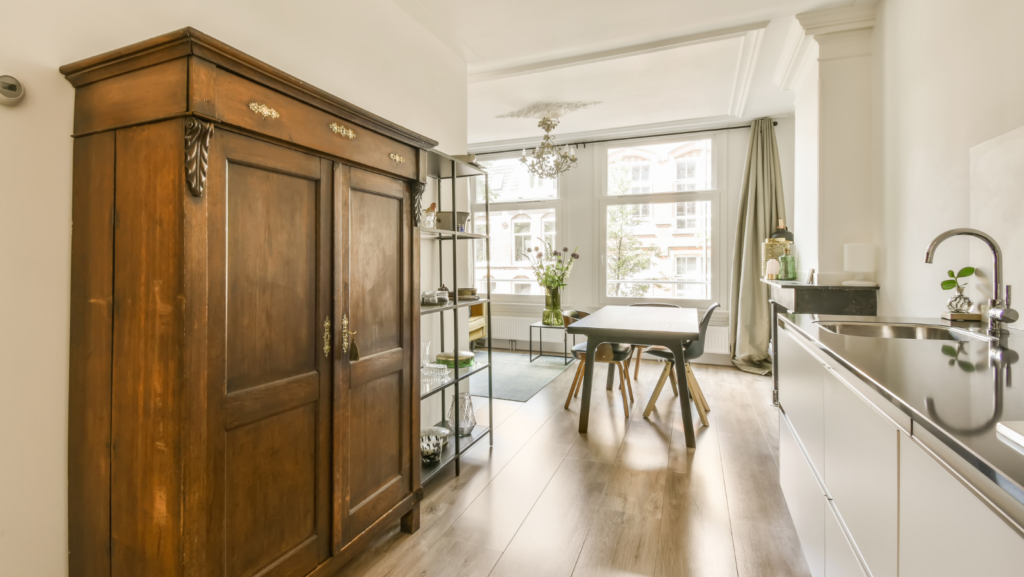
A pantry does not have to live in the kitchen. If you have a dining room, a hallway, a mudroom, or even a corner of a laundry room within reasonable distance of the kitchen, that space is a candidate.
A tall freestanding cabinet with doors reads as furniture, not storage. In a dining room it can hold dry goods, small appliances, and overflow stock without looking out of place. In a hallway it functions like a built-in without requiring construction.
This is a particularly useful solution for older homes, smaller condos, and townhomes that were designed before oversized pantries became standard. The kitchen does not have to do all the work.
Add a Pantry Cabinet in the Kitchen Itself
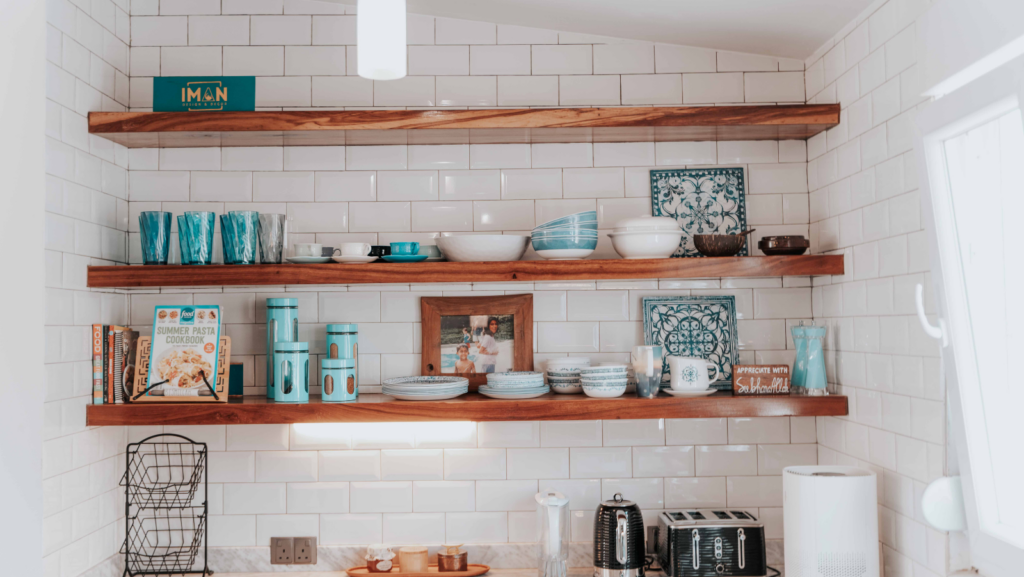
Open shelving gets a mixed reputation, and most of the complaints come down to one thing: people put whatever they grab onto open shelves without any system, and within two weeks it looks like a before photo.
When open shelving is done with intention, it works beautifully. The key is uniformity. Matching containers, consistent heights, and a clear logic to what lives where. Everyday staples in labeled containers on eye-level shelves. Decorative items and less-used pieces higher up.
Open shelving also gives you something a closed pantry never can: you can see everything at a glance. No digging, no forgetting what you have, no expired cans hiding behind other cans.
Rethink the Kitchen Cart
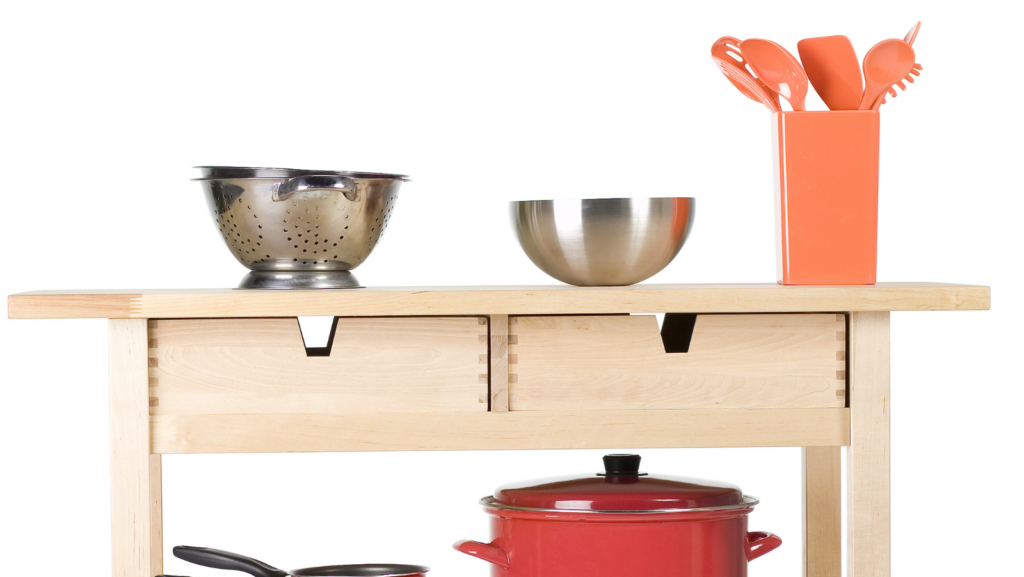
A kitchen cart is usually thought of as an extra prep surface, but in a pantry-free kitchen it can do double duty. A cart with a lower shelf or built-in storage holds a surprising amount. Baskets on the lower level can hold potatoes, onions, and items that do not need refrigeration. The top surface stays clear for prep work.
The advantage of a cart over a fixed cabinet is flexibility. You can move it. If you are ever selling your home, it goes with you. If your layout changes, you adjust.
Think Vertically in Every Corner
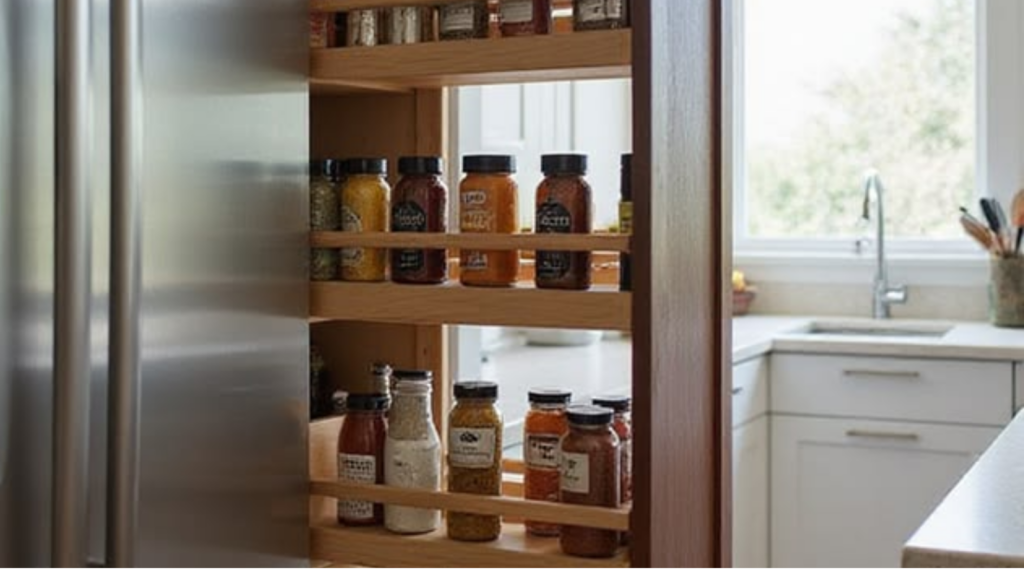
The space beside the refrigerator, the gap between the stove and the wall, the slim stretch of wall between two doorways: these are the overlooked inches in a pantry-free kitchen.
Slim pull-out pantry units are designed specifically for these gaps and can hold more than they look like they should. A narrow shelving unit between the fridge and a wall holds cooking oils, vinegars, and spice overflow without taking over the room.
The goal is to stop treating awkward corners as dead space and start treating them as storage opportunities that just need a more specific solution.
Keep the Counter Smarter
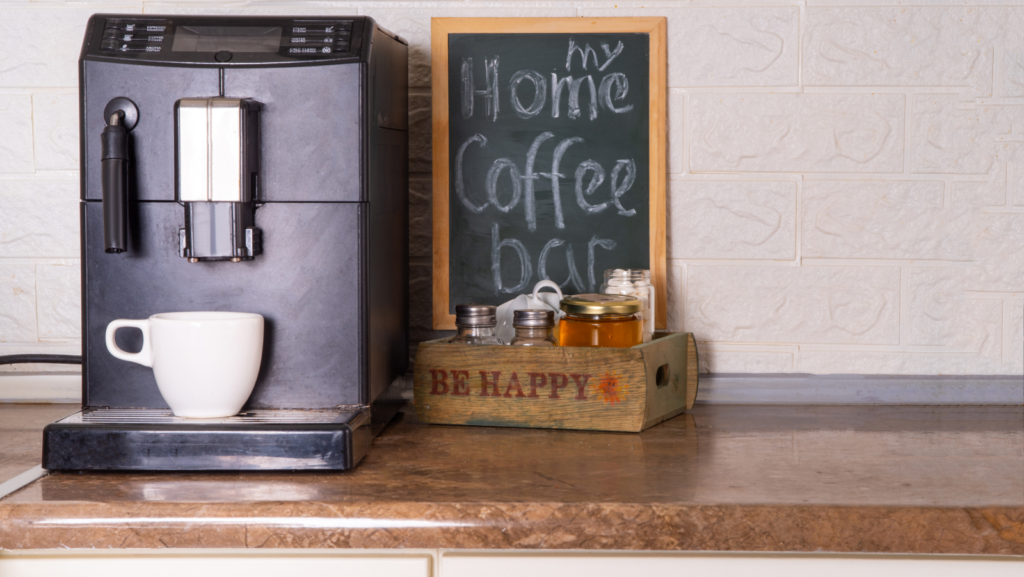
Some items genuinely belong on the counter. Frequently used appliances, the fruit bowl, the coffee setup. The mistake in a pantry-free kitchen is letting the counter become the default home for everything that does not have a better place.
Counters fill up fast, and a full counter makes a kitchen feel smaller and more stressful than it actually is. Be intentional about what earns counter space. If something lives on the counter, it should be used at least a few times a week.
Everything else finds a home in a cabinet, a cart, a shelf, or the borrowed space you have created elsewhere.
A Note for Buyers and Sellers
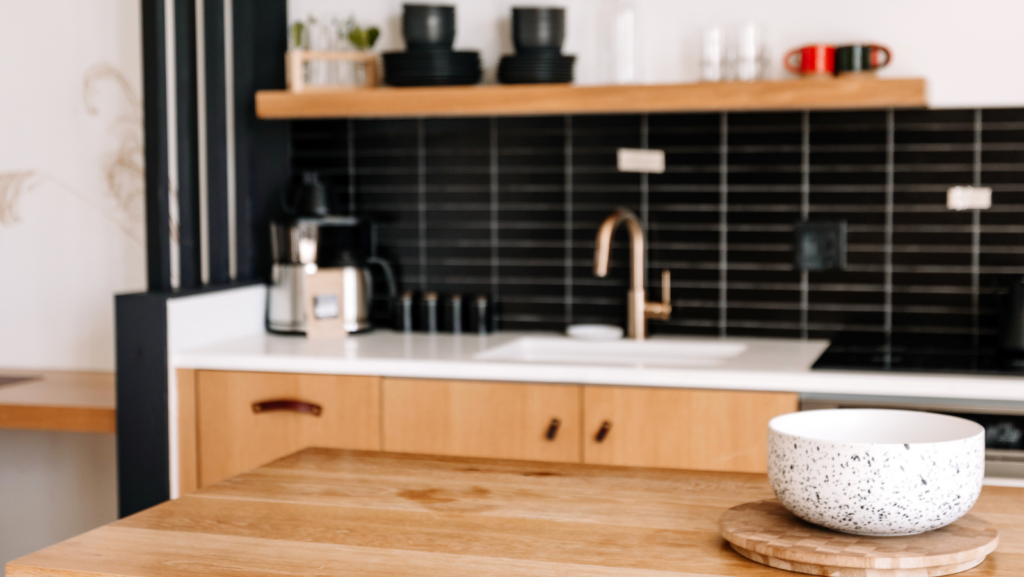
If you are buying a home without a pantry, do not let it be the reason you walk away. The solutions above are real and they work. A well-organized pantry-free kitchen functions better than a cluttered one with a dedicated pantry.
If you are selling a home without a pantry, presentation matters more than you might think. A styled freestanding cabinet, organized open shelves, or a clean kitchen cart signals to buyers that the space is workable. What buyers are really asking when they notice there is no pantry is whether the kitchen is functional. Show them that it is.

I’m Betsy Rewald with Coldwell Banker Realty in Minnesota, born and raised right here in the Land of 10,000 Lakes! I love helping people find their perfect home, whether it’s their first, their dream upgrade, or the perfect place to downsize.Through my blog, I share tips and ideas for buying and selling, plus insights on great neighborhoods, local events, and ways to make the most of Minnesota living. My goal is to make the home journey fun, stress-free, and full of excitement.Whether you’re new to the area or a lifelong Minnesotan, I’m here to help you feel right at home—and maybe even fall in love with your next move!