You may be hearing that more buyers are backing out of contracts right now. Some reports say cancellations are at the highest level since 2017.
That can sound a little unsettling if you are thinking about selling.
But here is what matters more than the headline. This trend is not random, and it is not happening for no reason.
There is one issue showing up again and again, and it is something you can plan for ahead of time.
This is something I am seeing in the Northeast Metro as well, especially in areas like Shoreview, Arden Hills, and White Bear Lake where buyers tend to compare multiple homes before making a decision.
Home Inspection Issues When Selling a House That Can Kill a Deal
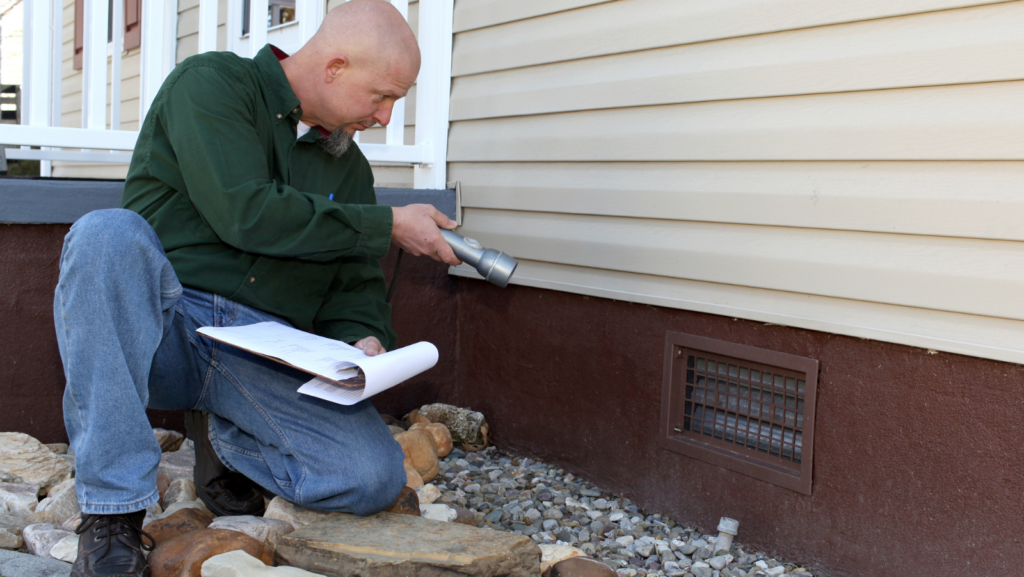
According to a Redfin survey, over 70 percent of recently cancelled contracts were tied to issues found during the home inspection.
That lines up with what we are seeing locally.
When a buyer walks through your home, they are making an emotional decision. When the inspection happens, it becomes a practical one.
That is where things can change.
Buyers Are Thinking Differently Than They Were a Few Years Ago
A few years ago, buyers were dealing with very limited inventory.
Homes were selling quickly, and buyers often felt pressure to move forward even if a home needed work.
That pressure is not as strong right now.
Buyers have more choices. They have more time to compare homes. And they are more willing to walk away if something does not feel right.
In parts of the Northeast Metro, this often shows up when buyers are choosing between similar homes in the same neighborhood. If one home feels more move in ready than another, that is usually the one that wins.
Most buyers are not expecting a perfect home. They understand there will be some wear and tear.
What makes them pause is uncertainty.
If an inspection report raises questions about cost, safety, or future repairs, buyers start to wonder what else might be hiding. That is when hesitation sets in.
Some of the most common concerns include:
Roof issues such as missing shingles, soft spots, or signs of leaks
Plumbing problems like slow leaks, water stains, or poor drainage Electrical concerns including older panels or missing safety outlets Heating and cooling systems that are not working properly Signs of pests or damage from insects Health related concerns like mold or older materials that may need attention Safety items such as missing smoke detectors or windows that do not open Structural concerns like uneven floors or cracks in the foundation
In many Minnesota homes, especially older ones, electrical panels, insulation, and roofing tend to come up more often than anything else.
In most cases, it is not a long list. It is one or two items that feel expensive or unclear.
That is often enough to stop a deal.
What Sellers Can Do Before Listing
The goal is not to fix everything. The goal is to remove doubt.
When buyers feel confident, they move forward. When they feel unsure, they slow down or walk away.
A few simple steps can make a big difference:
Take care of obvious repairs before listing Make sure systems like heat, water, and electrical are working as expected Replace small safety items like smoke detectors or loose railings Be honest about anything you already know needs attention
Try to walk through your home the way a buyer would.
Ask yourself:
If I saw this for the first time, would anything here make me pause Would I feel confident moving forward without asking for repairs Does anything look like it could turn into a bigger issue later
This is often where the biggest improvements come from.
Should You Get a Pre Listing Inspection
In some situations, it makes sense to have your home inspected before it goes on the market.
This gives you a chance to see what a buyer is likely to find.
From there, you can decide what to fix, what to leave, and how to price your home accordingly.
A pre listing inspection can help you:
Avoid last minute surprises Reduce stressful negotiations after an offer is accepted Plan repairs on your timeline instead of rushing before closing
It is not necessary for every home, but it can be a helpful tool in the right situation.
Every home is different, and not every issue carries the same weight with buyers.
What matters in one house may not matter in another.
When I walk through a home with a seller, we focus on what will actually impact the sale.
That includes:
Identifying the repairs that are worth doing Avoiding spending money on things buyers will not notice Talking through how to handle known issues ahead of time Preparing for inspection conversations before they happen
If downsizing is part of your next step, you can also explore the fulldownsizing series for more guidance.
Bottom Line
Inspection issues are one of the main reasons contracts fall apart right now.
The good news is this is one of the few parts of the process you can prepare for ahead of time.
A little planning before you list can make a big difference once you are under contract.
If you are thinking about selling in the Northeast Metro and want a clear idea of what buyers will notice in your home, I am always happy to walk through it with you and help you plan your next steps.
Betsy Rewald is a Minnesota real estate agent with over 20 years of experience helping clients buy, sell, and downsize with confidence. She specializes in guiding homeowners through major life transitions, including selling long held family homes and moving into a more manageable space.
Blog Categories
Home Search Tools
Recent Posts
We use cookies to ensure that we give you the best experience on our website. If you continue to use this site we will assume that you are ok with this.