

Buyers make up their minds faster than most sellers realize. Research on first impressions suggests the decision happens within seconds of walking through the door. Before they look at the kitchen, before they check the closets, before they ask a single question, something has already registered. That first impression shapes everything that follows.
Understanding what buyers notice immediately gives sellers a real advantage. Most of it has nothing to do with renovations or upgrades. Small, focused adjustments make a significant difference in how buyers experience a home from the moment they step inside.
The Smell Is the First Thing Buyers Register

Smell hits before anything visual does. Buyers cannot always name it but they feel it immediately. A home that smells fresh and neutral feels clean and well maintained. A home with a strong odor, whether from pets, cooking, or anything else, creates an immediate barrier that is very hard to overcome no matter how beautiful the space looks.
Sellers often stop noticing the smell of their own home after years of living there. Having a trusted friend walk through with fresh eyes is one of the most useful things a seller can do before listing. Opening windows, cleaning upholstery, and addressing the source of any odor matters far more than adding air freshener, which buyers often notice and find suspicious. For families navigating this during a downsizing move, When a Home Smells Clean But Buyers Say Otherwise covers exactly why buyers react the way they do and what actually fixes the problem.
The Temperature and Air Quality Matter More Than You Think
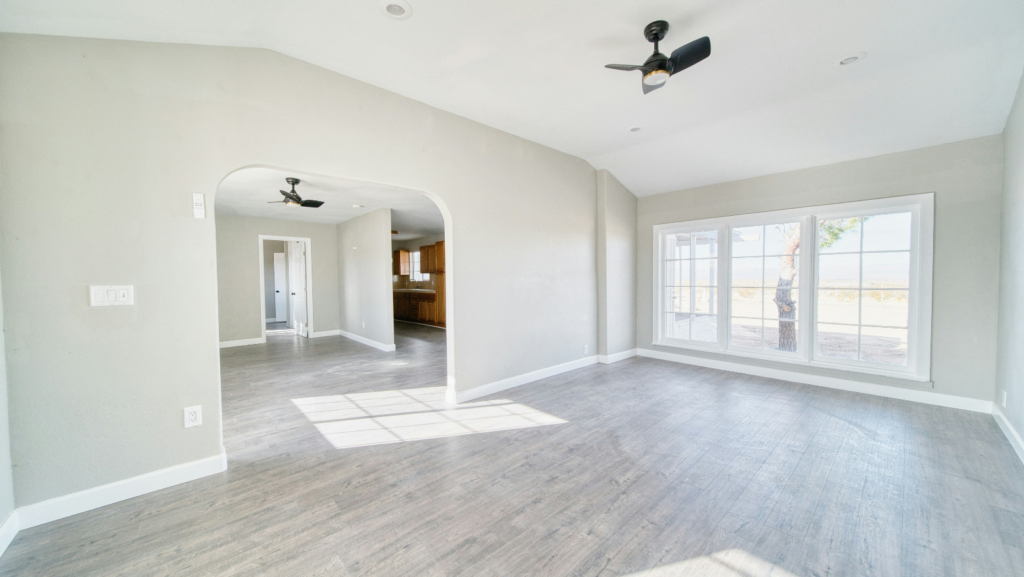
Walking into a home that feels stuffy or stale creates an immediate negative reaction. Fresh air and comfortable temperature signal that the home is well cared for and lived in comfortably.
Before showings, opening windows briefly to let fresh air circulate makes a noticeable difference. Setting the thermostat to a comfortable temperature, not too warm and not too cold, helps buyers feel at ease from the moment they walk in. A home that feels good to be inside is one buyers want to stay in longer.
The Entry Sets the Tone for Everything Else
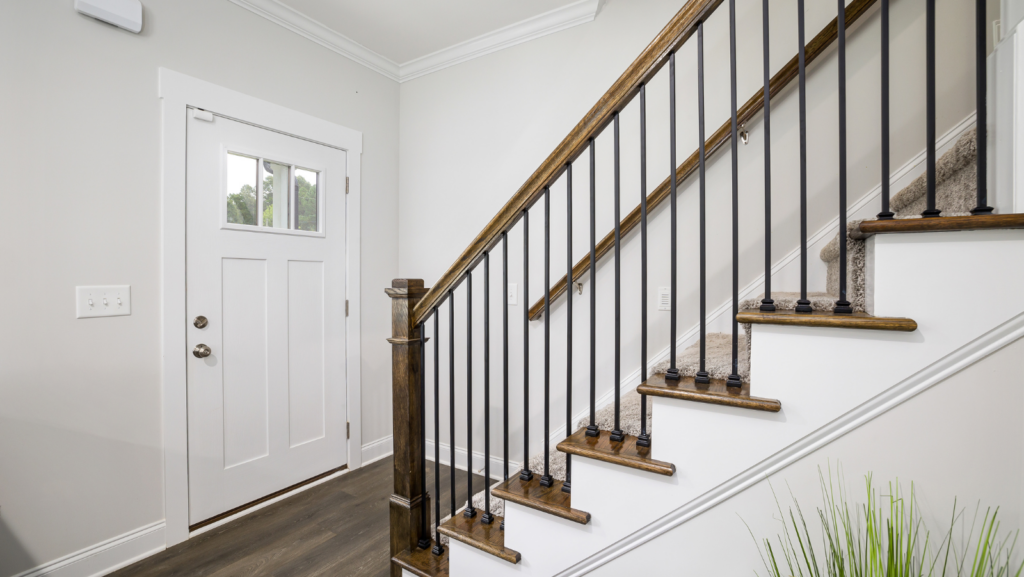
Whatever buyers see and feel in the first ten feet of your home sets the frame for everything that follows. A cluttered entry, shoes piled by the door, a coat rack overloaded with jackets, or dim lighting creates an immediate impression of a cramped and disorganized home even if the rest of the space is beautiful.
A clean, open, well-lit entry does the opposite. It signals space, care, and order before buyers have even moved into the main living areas. Clearing surfaces and brightening the entry lighting pays dividends throughout the entire showing.
Natural Light Is One of the Most Powerful Selling Tools

Buyers respond to natural light more strongly than almost any other feature. A bright home feels larger, cleaner, and more inviting. A dark home feels smaller and harder to imagine living in comfortably.
Before every showing, opening all blinds and curtains fully makes an immediate difference. Cleaning windows so light comes through clearly is worth the effort. Turning on lamps in darker corners supplements natural light and keeps the space feeling warm rather than dim. Buyers notice within seconds whether a home feels bright or closed off, and that perception is very difficult to change once it forms.
Clutter Reads as a Smaller Home

Buyers cannot always articulate why a space feels small. Clutter is usually the reason. Too many items on counters, furniture pushed against every wall, and shelves packed with belongings all make rooms feel tighter than they actually are.
Clearing surfaces, removing excess furniture, and creating open pathways through rooms changes how buyers perceive the size of the space. A room with breathing room feels larger. That perception of space is one of the most important things buyers are evaluating in those first thirty seconds, even when they do not realize it.
Deferred Maintenance Signals Bigger Problems

A scuff on the wall, a door that sticks, a light switch that does not work. None of these are expensive to fix. However, buyers notice them immediately and they create a specific concern. If the small things have not been addressed, what about the big things?
Doing a walk through of your home with fresh eyes before listing and addressing small maintenance items is one of the highest return investments a seller can make. The cost is minimal and the impact on buyer confidence is significant. Small issues noticed during a showing often affect what happens in that critical first week on the market. The First 7 Days on the Market: What Sellers Need to Know covers why that window matters so much and what sellers can do to make the most of it.
The Kitchen Counter Is a Focal Point

Buyers move toward the kitchen within the first thirty seconds of most showings. What they see when they get there matters considerably.
A cleared counter with minimal items on the surface makes the kitchen feel larger and more functional. Personal items, appliances that are rarely used, and stacks of mail or papers should all be removed before showings. A clean open kitchen counter is one of the most effective visual tools in a home showing and one of the easiest to achieve.
The Overall Feeling Is What Buyers Remember

Beyond every specific detail, buyers leave a showing with an overall feeling about a home. That feeling forms almost entirely in the first thirty seconds and gets reinforced or eroded throughout the rest of the visit.
Homes that feel cared for, clean, bright, and spacious create a positive emotional response that buyers carry with them when comparing options. Homes that feel heavy, cluttered, or neglected create doubt that even strong features cannot fully overcome.
The goal of those first thirty seconds is not to impress buyers with expensive finishes. The goal is to make them feel immediately comfortable and at ease. When that happens, everything else in the showing works better. If you are preparing to list and want to understand the full picture of what the process involves, From Listing to Closing: Your Comprehensive Guide to Selling a Home walks through every stage from start to finish.