

Most buyers walk out of a home inspection feeling relieved. The big things checked out. The roof has a few years left. The furnace is running. Nothing alarming came up. Then they move in and discover something that was right there in the report, buried on page 31, described in technical language nobody explained.
This post covers the findings that show up on inspection reports regularly. These are the ones buyers overlook, misunderstand, or do not ask enough questions about. Knowing what to look for changes how you read that report.
Why Buyers Miss Things on Inspection Reports
Inspection reports are long. Some run forty or fifty pages. Inspectors document everything they observe. Minor maintenance items sit right next to serious findings with no clear visual difference between them.
Most buyers skim. They look for anything highlighted in red or labeled urgent. Everything else gets a quick glance. That is understandable. It is also how important findings get missed.
Understanding what certain findings actually mean is the real skill. A sentence that reads “evidence of previous moisture at rim joist” sounds minor. Left unaddressed, it can mean ongoing water intrusion, rot, and eventually a much larger repair bill.
Grading and Drainage Issues
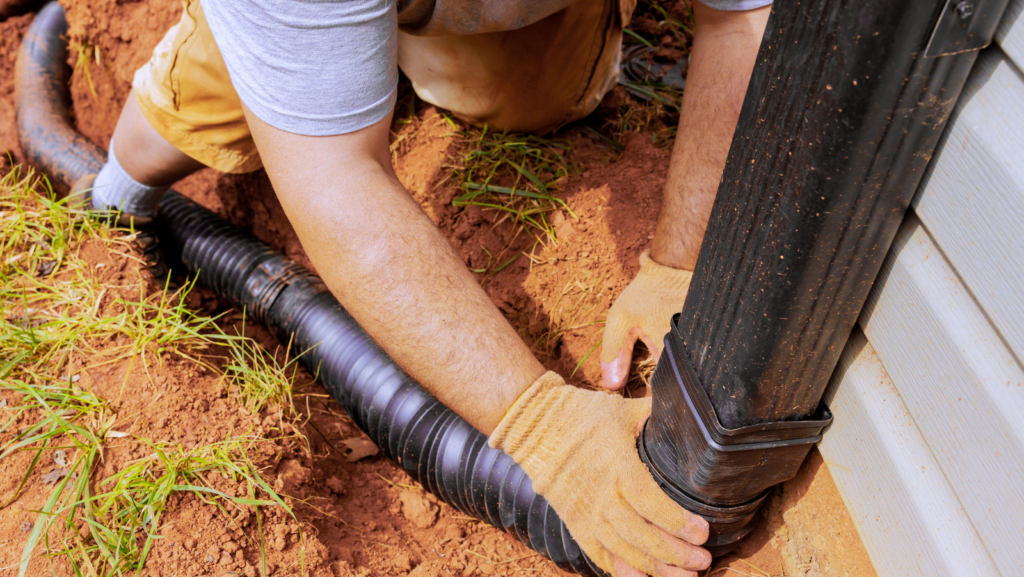
This one appears on almost every inspection report in Minnesota. Soil around the foundation settles over time. In the northeast metro, freeze-thaw cycles accelerate that process every single winter.
When the ground slopes toward the house instead of away from it, water follows. It collects at the foundation. Over time it finds its way in.
Buyers often see this flagged and move past it. It sounds like a landscaping note. It is actually one of the more important findings on the report because water at the foundation causes significant damage over time.
What to Do About It:
Ask the inspector how severe the slope is and whether water intrusion is already visible. Regrading a yard is not always expensive. Ignoring it usually is.
Attic Moisture and Improper Ventilation
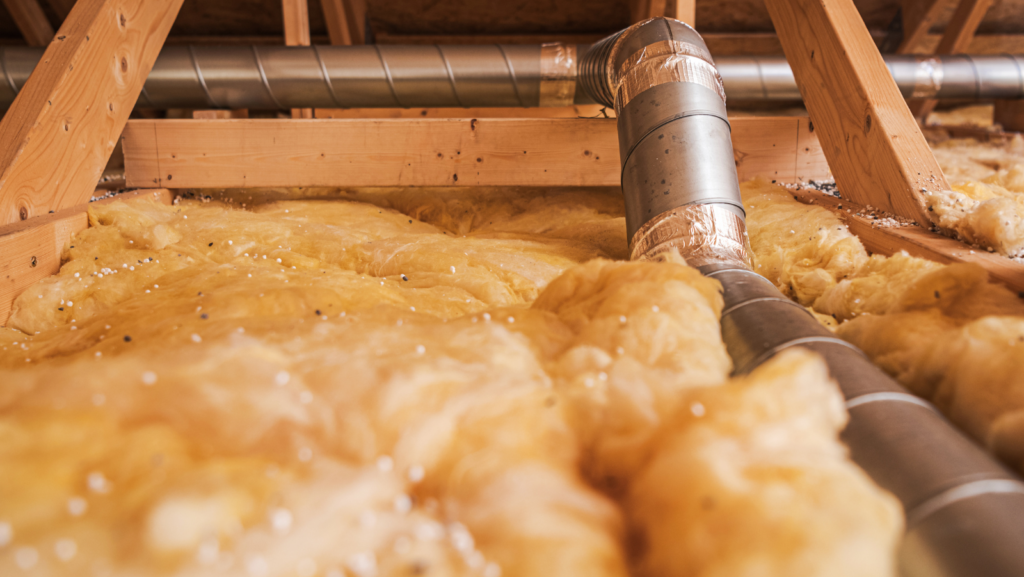
Attic moisture is one of the most commonly misunderstood findings in Minnesota homes. Buyers see it flagged and assume it means a leaking roof. Often the roof is fine.
The real culprit is usually a bathroom exhaust fan venting into the attic instead of to the exterior. Warm moist air from showers has nowhere to go. It condenses against cold roof decking in winter. Over time that moisture causes mold and wood rot.
Inadequate attic ventilation creates the same problem. The attic gets too warm in winter and too hot in summer. Both conditions damage the roof structure from the inside.
What to Do About It:
Find out how long the problem has been present. A recent finding with no visible mold is a straightforward fix. A finding with visible mold or staining on the decking needs further evaluation by a specialist before you close.
Older Electrical Panels and Wiring
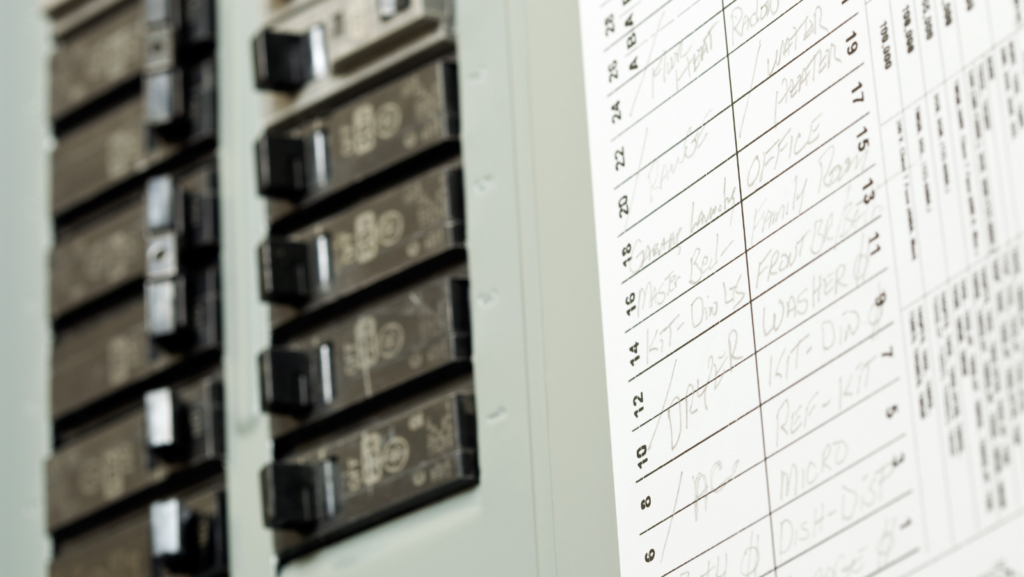
Buyers in the northeast metro frequently purchase homes built in the 1960s, 1970s, and 1980s. Many of those homes have electrical systems that were standard at the time but create challenges today.
Federal Pacific and Zinsco Panels
Two panel brands come up repeatedly on inspection reports. Federal Pacific Stab-Lok panels and Zinsco panels have documented histories of breaker failures. Insurance companies often refuse to write policies on homes with these panels. Replacing them is the typical resolution.
Buyers sometimes see these flagged and assume it is a minor update. Getting an electrician quote before closing is worth the time.
Aluminum Branch Circuit Wiring
Aluminum wiring was common in homes built between roughly 1965 and 1973. It expands and contracts differently than copper. Over time connections can loosen. Loose connections create heat and fire risk.
This does not mean the home is unsafe. It means the wiring needs evaluation by a licensed electrician who specializes in aluminum wiring remediation. Some buyers negotiate a credit to cover that cost.
Knob and Tube Wiring
Knob and tube is the oldest wiring type inspectors find in this area. It has no ground wire. It was not designed for the electrical load of a modern home. Many insurers will not cover homes with active knob and tube wiring.
What to Do About It:
Any of these findings warrants a conversation with a licensed electrician before you finalize your repair requests. Get a quote. Understand the scope. Then decide what to ask for.
Polybutylene Plumbing
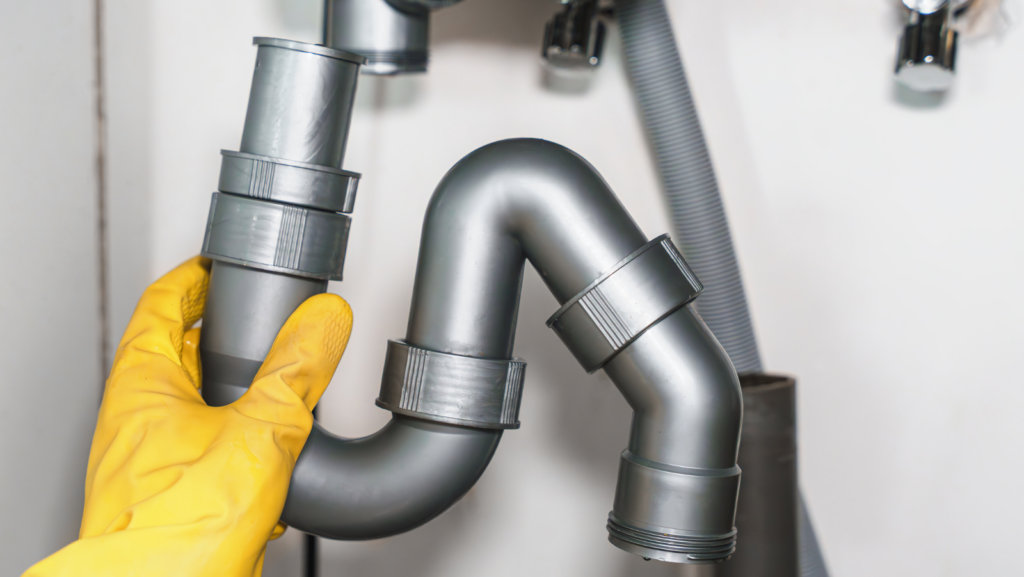
Polybutylene pipe was installed in homes across the country from the late 1970s through the mid-1990s. It was inexpensive and easy to work with. It was also prone to failure.
The material degrades when exposed to chlorine in municipal water supplies. It becomes brittle over time. Fittings fail. Pipes crack. The result is water damage that often happens inside walls before anyone notices.
Buyers sometimes see this flagged and treat it like a minor plumbing note. Some insurers will not write policies on homes with polybutylene. Others charge significantly higher premiums.
What to Do About It:
Ask the inspector how much of the home’s plumbing is polybutylene. Get a plumber’s assessment of the scope and cost of replacement. Factor that into your negotiations.
Water Intrusion at the Basement or Foundation
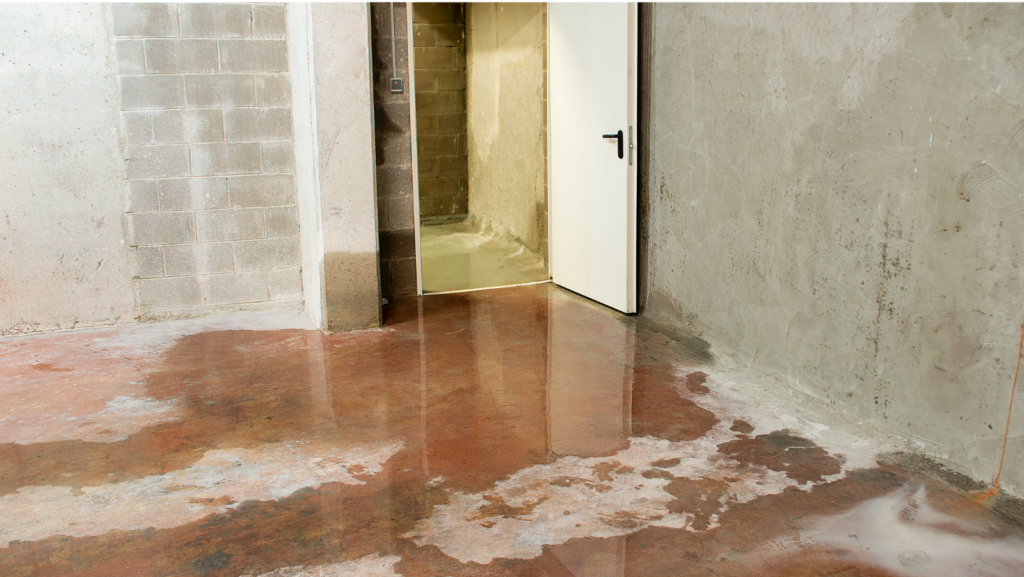
Water in a basement shows up on inspection reports in several ways. Inspectors note staining on walls, efflorescence, rust stains, or a musty odor. Buyers often see these noted and assume the seller addressed it already or that it was a one-time event.
Staining on basement walls tells a longer story. Efflorescence, the white mineral deposits that appear on concrete, indicates water has been moving through that wall repeatedly. Rust stains near the base of walls suggest ongoing moisture. A sump pump that runs frequently suggests the same.
What to Do About It:
Ask the inspector directly whether the evidence suggests an active ongoing problem or a historical one. If they note active moisture, request further evaluation by a waterproofing specialist before closing. Understanding the source matters more than the symptom.
The Sump Pump
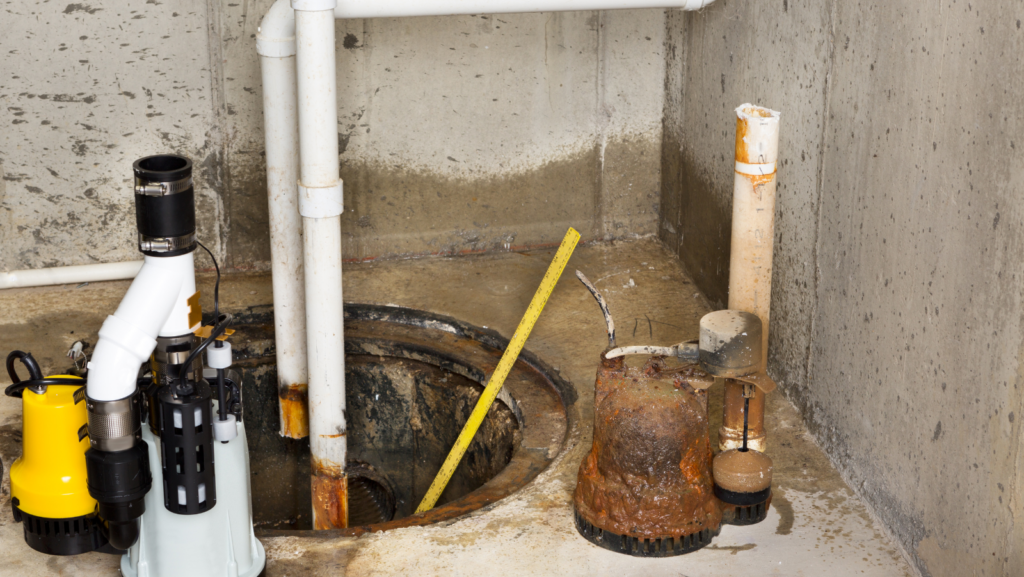
Most buyers notice the sump pump exists. Few ask the right questions about it.
A sump pump that is old, undersized, or missing a battery backup is a finding worth taking seriously. In Minnesota, spring snowmelt and heavy rain events can overwhelm a failing sump pump quickly. A basement that stayed dry for years can flood overnight when the pump fails during a storm.
What to Do About It:
Ask the inspector the age of the pump and whether it has a backup. A sump pump replacement is not expensive. A flooded basement is.
Chimney and Fireplace Conditions
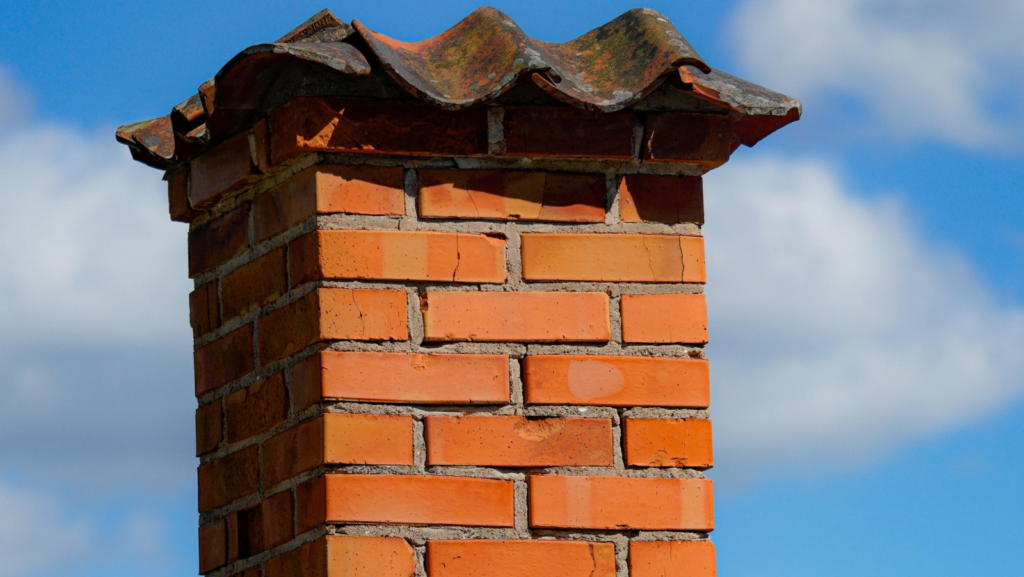
Chimneys get a visual inspection during a standard home inspection. What they do not get is a full Level 2 inspection, which requires a camera and is performed by a chimney specialist.
Inspectors commonly note things like missing chimney caps, deteriorating mortar, or damaged flashing. Buyers see these flagged and sometimes treat them as cosmetic. A chimney cap keeps water and animals out. Deteriorating mortar allows water in. Damaged flashing around the chimney base is one of the more common sources of roof leaks.
If the home has a wood burning fireplace or a gas insert and the inspector notes any concerns, a full chimney inspection before closing is worth the cost.
What to Do About It:
Budget for a chimney specialist inspection if any concerns are noted. The cost is reasonable. The information is valuable
Insulation and Energy Efficiency Issues
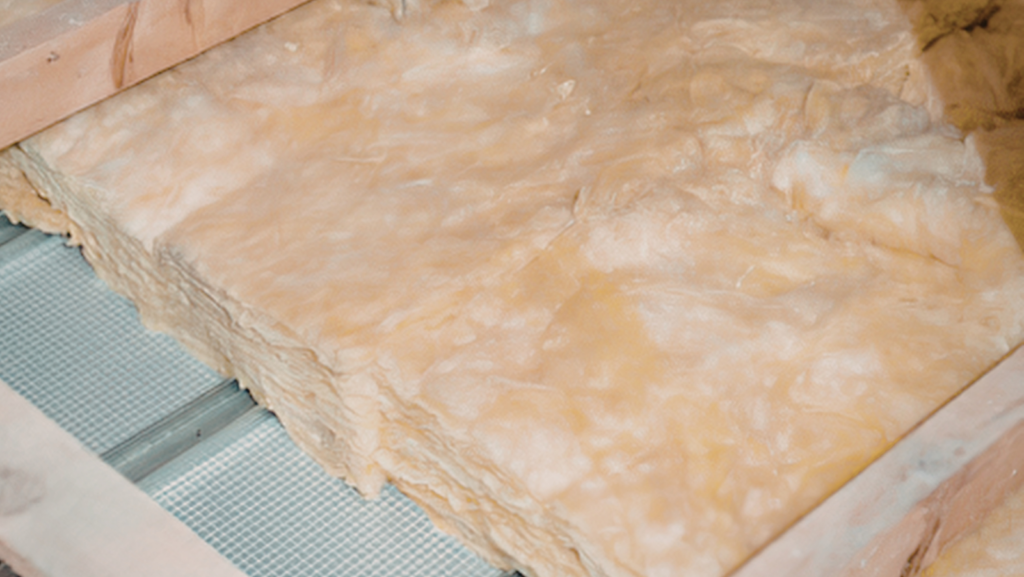
Inadequate insulation shows up on reports frequently, particularly in older homes across the northeast metro. Buyers often skip past it because it does not sound urgent.
In Minnesota, insulation directly affects heating costs. A home with inadequate attic insulation works the furnace harder every single winter. That shows up on utility bills from the first season
What to Do About It:
Ask the inspector what insulation levels they observed and what current standards recommend. Adding attic insulation is one of the more cost-effective improvements a homeowner can make in this climate.
What to Do With All of This

Reading an inspection report well is a skill that takes practice. Most buyers are doing it for the first time under time pressure while also managing twenty other parts of a home purchase.
The most useful thing you can do is attend the inspection in person and ask questions as you go. Additionally, reviewing the report with your agent before deciding what to ask for leads to better outcomes. Not every finding warrants a repair request, but some do. Knowing the difference matters.
If you have not already read part one of this series, [What to Expect at a Home Inspection When Buying a Home] covers the full walkthrough process from start to finish. If you are also navigating a competitive market while managing inspection decisions, How to Win a Multiple Offer Situation When Buying a Home in Minnesota is worth reading alongside this one. Furthermore, Buying a Home in a Seller’s Market in Minnesota: What Actually Works Right Now gives helpful context on how to stay steady when the pressure is on.