
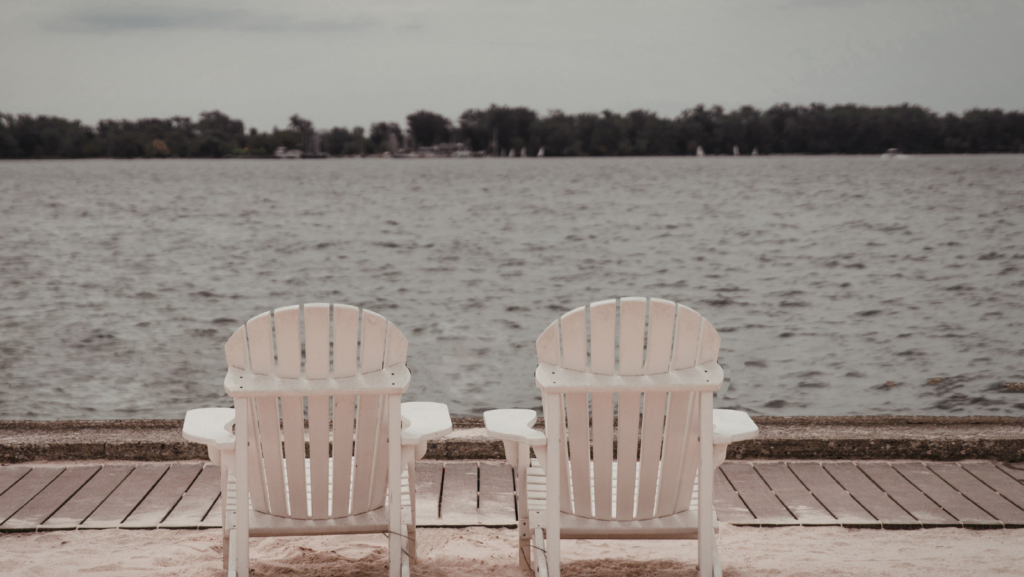
There is a version of cabin ownership that lives in everyone’s head. A dock on a quiet lake, coffee in the morning before anyone else is up, evenings around a fire pit with people you actually want to spend time with. That version is real. It exists. People live it every summer across Minnesota and throughout the lake country that stretches north and east of the Twin Cities.
But there is another version that does not show up in the listing photos, and it is the one that catches first-time cabin buyers off guard. This post is about both.
It Is a Second Home With Second Home Costs
The purchase price is only the beginning. Cabins carry a separate set of ongoing costs that primary home buyers are not always prepared for.
Property taxes on a seasonal or recreational property are calculated differently than on a primary residence. Cabin insurance runs higher than standard homeowners insurance because of the seasonal use, proximity to water, and the increased risk of vacancy. Even minimal utilities run year round in most cases.
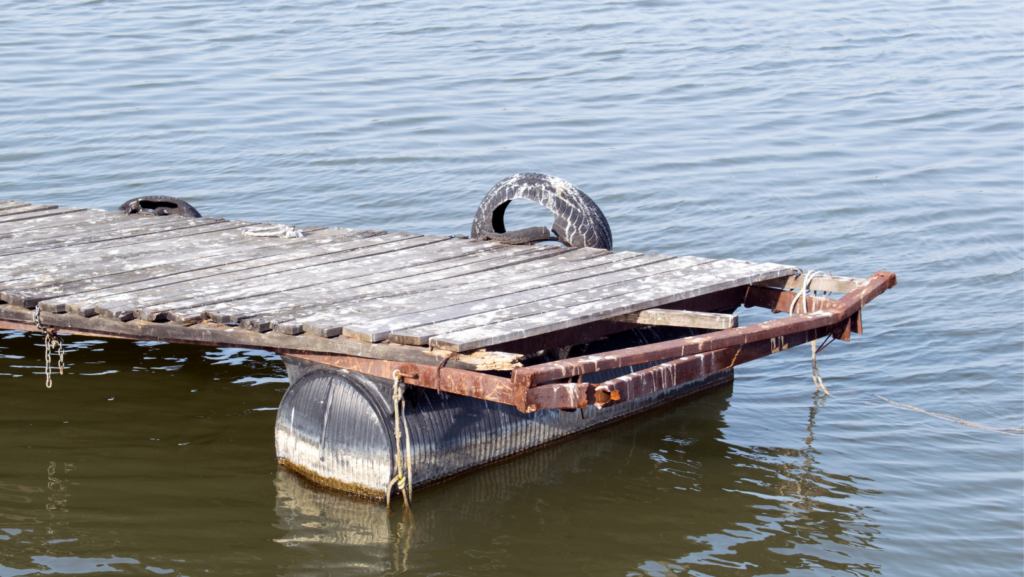
Then there are the costs that come with the property itself. Docks go in and come out every season. Boats need storage. Decks and exteriors take more abuse from sun, water, and ice than a suburban home ever would. Lake property septic systems demand regular maintenance and cost a lot to repair or replace.
The Ongoing Costs Most Buyers Do Not See Coming
If you are not sure what inspectors look for on a property like this, Things Home Inspectors Find That Buyers Always Miss is worth reading before you start touring cabins.
None of this is a reason not to buy. It is a reason to go in with accurate numbers rather than optimistic ones.
The Well and Septic Conversation
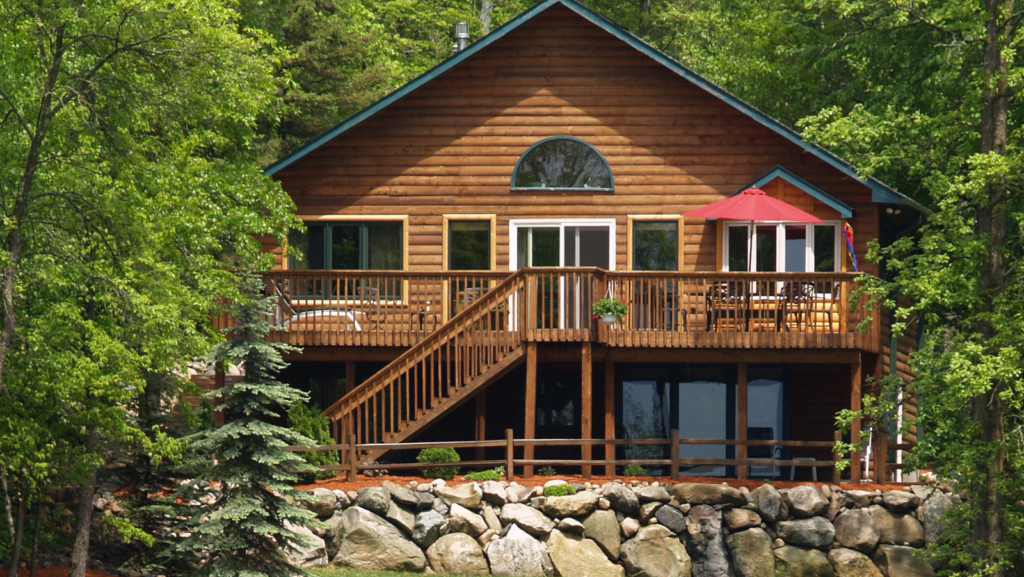
Most cabins are not on municipal water and sewer. They run on a private well and a septic system, and both require attention that primary home buyers rarely deal with.
A well inspection tells you the water quality and flow rate. Older wells sometimes need updates to meet current standards or may simply be at the end of their useful life. Septic systems have a lifespan, and skipping an inspection before closing is not an option. Replacing a failing septic system runs anywhere from several thousand dollars to over twenty thousand depending on the lot and local requirements.
Ask specifically about both before you fall in love with the property. Surprises like these after closing are the ones that hurt the most.
Lake Associations and the Rules That Come With Them
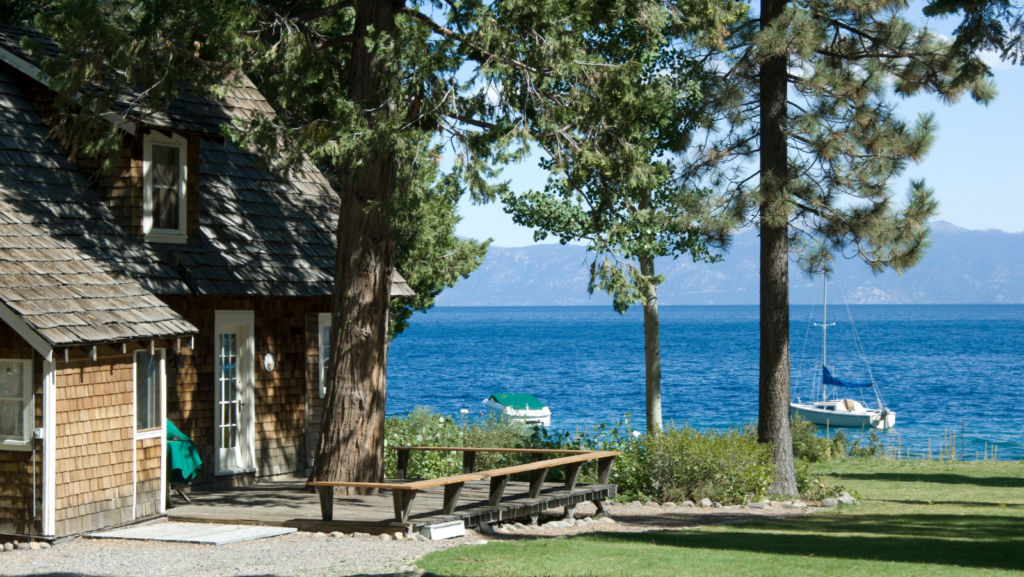
Many lake properties in Minnesota come with a lake association, a homeowners association, or both. These organizations manage shared resources like docks, boat launches, and common areas. They also come with fees, rules, and occasionally politics.
Before you buy, find out what association memberships are required and what they cost annually. Ask what the rules say about short term rentals, dock sizes, watercraft, and noise. Some lake associations are relaxed and neighborly. Others have extensive restrictions that affect how you use the property.
Neither is automatically good or bad. Knowing what you are joining before you close matters considerably.
Short Term Rentals Are Not Always Allowed

A lot of cabin buyers factor rental income into their decision. The idea of offsetting costs by renting the property when they are not using it is appealing and in some cases it works very well.
But short term rental rules vary significantly by county, township, and lake association. Some areas have no restrictions. Others have banned short term rentals entirely or require permits that are difficult to obtain. Local regulations have tightened in many lake communities over the past several years as full time residents have pushed back against heavy rental traffic.
If rental income is part of your financial plan, verify the rules before you make an offer. Do not assume. Check with the township directly and review the association documents carefully.
Seasonal Access Is Not Always Year Round
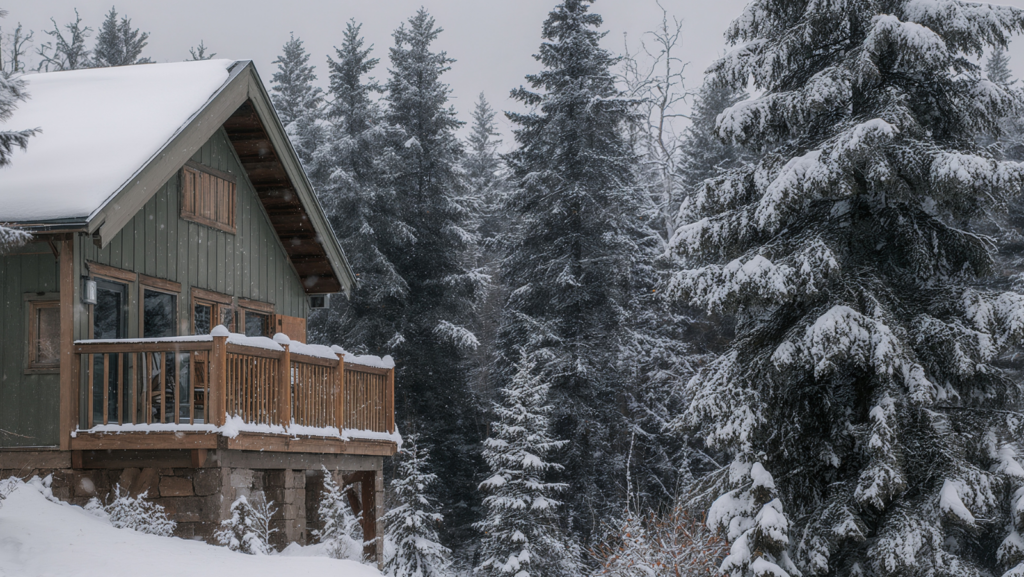
Some cabins are fully winterized and accessible twelve months a year. Others are seasonal properties that are not designed or practical to use once temperatures drop. The difference matters more than buyers sometimes realize.
A non-winterized cabin means closing it up in the fall and reopening it in the spring. Both processes take time and come with their own checklist. The property also sits unoccupied through a Minnesota winter, which creates risks around frozen pipes, roof damage, and break-ins.
For a full checklist of what to do before leaving a property unoccupied through a cold season, What to Do Before Leaving Your House for a Winter Vacation covers the most important steps.
If you want to use the property year round for ice fishing, winter weekends, or holiday gatherings, make sure the property is built for it and that road access holds up in winter conditions.
The Drive Matters More Than You Think
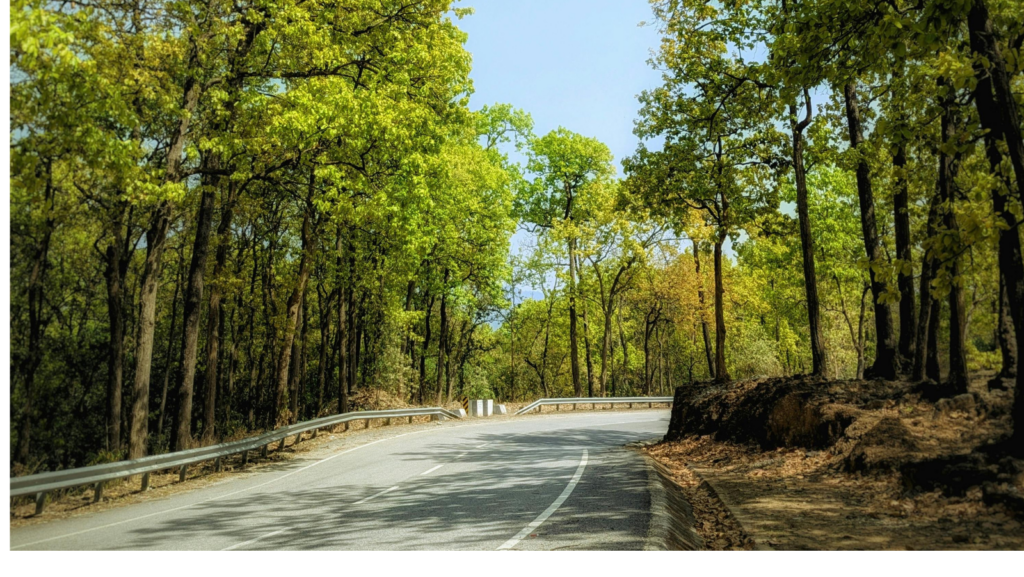
Most cabin buyers underestimate how much the drive affects how often they actually use the property. Two hours feels manageable when you are excited about buying. After a few seasons of Friday evening traffic heading north and Sunday afternoon traffic heading back, two hours starts to feel like a commitment.
Think honestly about how often you will realistically go. A cabin ninety minutes away gets used more than one three hours away, almost every time. The properties that collect dust are usually the ones where the drive became an obstacle.
Why the Northeast Metro Works in Your Favor
The northeast metro puts buyers in a strong position. The lake country that runs north and east through the Forest Lake, White Bear Lake, and Chisago Lakes corridor, and further up toward Brainerd and the Boundary Waters, is genuinely accessible from communities like Shoreview, Lino Lakes, Hugo, and Arden Hills. That matters when you are thinking about how often you will actually show up.
What Makes It Worth Every Bit of It
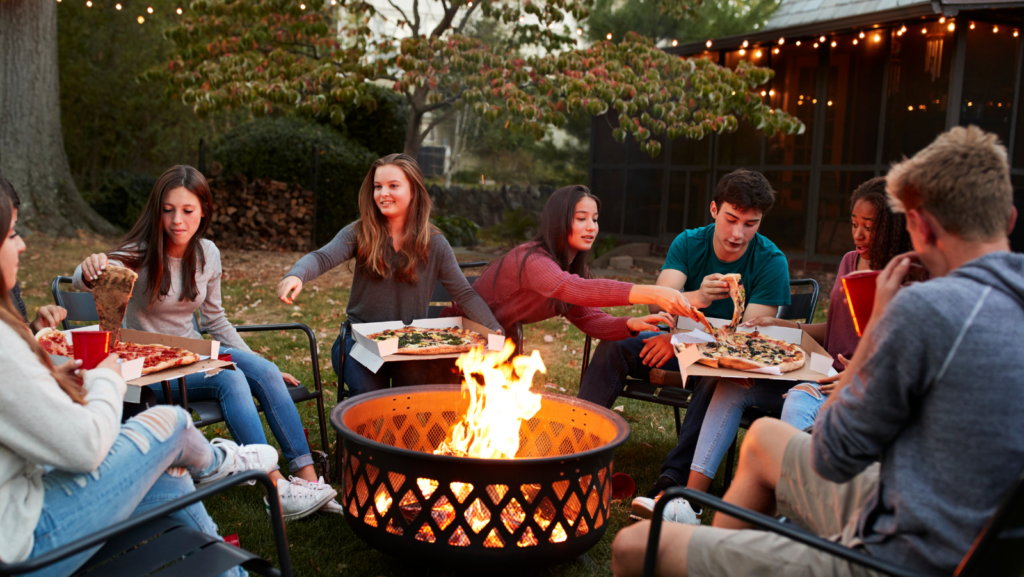
None of the practical realities above change what cabin ownership actually delivers when it works.It is the place your family comes back to every summer. Kids learn to fish and swim and stay up too late around a fire. Nothing resets a long stretch of ordinary life quite like that weekend away.
If you are also thinking about what makes an outdoor space actually usable once you get there, What Makes a Backyard Actually Usable in the Summer is a good read.
The buyers who are happiest with their cabins are the ones who went in clear-eyed about the costs and the work and decided it was worth it anyway. They usually end up being right.
If you are starting to think seriously about what this could look like for you, it is worth having a real conversation about what is available, what fits your budget, and what the process actually looks like. That is exactly the kind of conversation Betsy has been having with buyers in the northeast metro for twenty years.